Top 10 biggest dams in Africa 2026

BSC Insights Admin
September 30, 2026
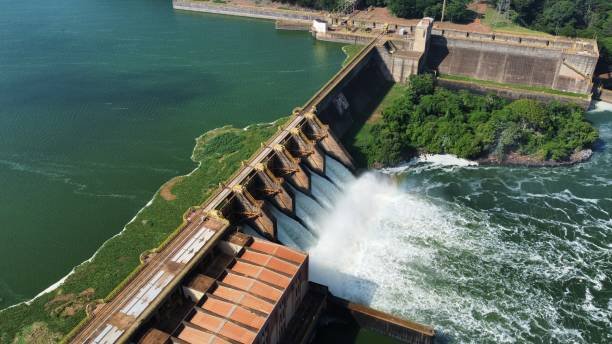
The **Top 10 biggest dams in Africa 2026** represent a massive achievement in civil engineering and serve as the backbone for the continent's growing demand for hydroelectric power and water security. These structures are strategically positioned along Africa's most powerful rivers, such as the Nile and the Zambezi, to harness natural energy and provide essential irrigation for large-scale agricultural projects. As of 2026, the continued expansion and modernization of these facilities remain crucial for the industrialization of various nations across the African continent.
The development of these massive reservoirs has required significant international cooperation and investment, leading to a transformative era in African hydroelectric projects. This article explores the physical scale and the economic impact of these giants, highlighting their roles in stabilizing national power grids and providing drought relief during periods of climate variability.
These are the Top 10 biggest dams in Africa 2026
Determining the largest dams involves looking at their reservoir capacity, structural volume, and the amount of electricity they generate for their respective regions. In 2026, the landscape of African water management has been redefined by the completion of new projects and the refurbishment of older ones, ensuring that water remains a driver of prosperity. These ten structures stand out not only for their immense size but also for the complex engineering challenges that were overcome during their construction in rugged environments. Below is a detailed list of the most significant dams currently operating on the continent, ranked by their overall impact and storage capability.
1. Kariba Dam (Zimbabwe and Zambia)
The Kariba Dam remains the largest man-made dam in the world by reservoir capacity, holding back a staggering 180.6 billion cubic meters of water within the vast Lake Kariba. Located on the Zambezi River between Zimbabwe and Zambia, this double-curvature concrete arch dam has been a cornerstone of regional energy for decades, providing thousands of megawatts to both countries. The engineering required to maintain this aging giant has seen significant upgrades in recent years, including the reshaping of the plunge pool and the refurbishment of the spillway gates to ensure long-term structural integrity. Beyond power generation, the reservoir supports a thriving fishing industry and serves as a major hub for tourism, attracting thousands of visitors to its scenic shores every year. Its role in the Southern African Power Pool is irreplaceable, as it acts as a primary stabilizer for the electrical frequency across the entire region. The dam serves as a testament to mid-twentieth-century engineering, continuing to function as a vital asset for the **sustainable energy future** of the surrounding nations.
2. Akosombo Dam (Ghana)
The Akosombo Dam in Ghana created Lake Volta, which is the largest man-made lake in the world by surface area, covering approximately 8,502 square kilometers. With a total reservoir capacity of about 148 billion cubic meters, this rock-fill embankment dam on the Volta River was originally constructed to power the massive aluminum smelting operations at Tema. Today, it provides the majority of Ghana’s electricity and even exports power to neighboring countries like Togo and Benin through a complex interconnected grid system. The dam’s existence has significantly altered the local economy, facilitating inland water transport and providing a consistent water source for large-scale irrigation in the Volta Basin. However, the management of Lake Volta requires careful planning to balance the needs of electricity production with the environmental health of the downstream communities. In 2026, the Akosombo Dam remains a symbol of Ghanaian independence and industrial ambition, proving that local resources can drive a nation's modernization efforts. It continues to be a subject of study for engineers worldwide due to the sheer scale of the displacement and environmental management involved in its creation.
3. Aswan High Dam (Egypt)
The Aswan High Dam is a monumental structure that tamed the Nile River and provided Egypt with the ability to control the seasonal flooding that had dictated Egyptian life for millennia. Completed in 1970, the dam created Lake Nasser, which has a storage capacity of roughly 132 billion cubic meters, ensuring a steady water supply for agriculture and domestic use during dry seasons. The hydroelectric power generated by its twelve turbines was instrumental in the early industrialization of Egypt, powering factories and providing electricity to remote villages for the first time. One of the most famous aspects of its construction was the international effort to move the ancient Abu Simbel temples, which would have been submerged by the rising waters of the reservoir. Today, the dam remains a critical strategic asset, though its management is often at the center of complex diplomatic negotiations regarding water rights along the Nile Basin. By 2026, the Aswan High Dam continues to be the primary reason Egypt can sustain its massive population in a largely desert environment, highlighting the life-giving power of African water reserves.
4. Grand Ethiopian Renaissance Dam (Ethiopia)
The Grand Ethiopian Renaissance Dam, or GERD, is the newest addition to the elite tier of African infrastructure, serving as the largest hydroelectric power plant on the continent with a planned capacity of over 6,000 megawatts. Located on the Blue Nile in the Benishangul-Gumuz region of Ethiopia, its reservoir is designed to hold 74 billion cubic meters of water, making it a critical player in East African energy infrastructure. The project has been a source of immense national pride for Ethiopians, who largely funded the multi-billion dollar construction through domestic bonds and public donations. While the dam has been the subject of long-standing diplomatic discussions with Egypt and Sudan, its completion marks a significant shift in the balance of power and resource management in the Nile Basin. In 2026, the dam is fully operational, providing cheap electricity that is expected to lift millions of people out of poverty and transform Ethiopia into a major energy exporter. The engineering behind the GERD utilizes roller-compacted concrete, which allowed for a faster and more efficient construction process in the deep river gorge.
5. Cahora Bassa Dam (Mozambique)
Cahora Bassa is a massive arch dam located on the Zambezi River in Mozambique, boasting a reservoir capacity of approximately 55.8 billion cubic meters. It is one of the most powerful hydroelectric facilities in the Southern African Development Community, with a generating capacity of about 2,075 megawatts that is largely exported to South Africa via a high-voltage direct current link. The dam was constructed during the final years of colonial rule and has survived decades of regional conflict to become the crown jewel of Mozambique’s energy sector. The management of the dam involves complex environmental considerations, as the Zambezi Delta downstream relies on specific flow patterns to maintain its delicate ecological balance. In 2026, Cahora Bassa remains a vital source of foreign exchange for Mozambique, as the government continues to invest in the modernization of its transmission lines and turbine systems. The dam’s reservoir is also a major source of freshwater fish, providing food security for thousands of people living in the Tete province. It serves as a reminder of how large-scale infrastructure can provide a stable economic foundation even in a developing country.
6. Kossou Dam (Ivory Coast)
The Kossou Dam is the largest dam in the Ivory Coast, located on the Bandama River and creating the expansive Lake Kossou with a capacity of roughly 27.7 billion cubic meters. Completed in the early 1970s, the dam was part of a major national effort to diversify the country’s energy sources and move away from a reliance on imported fossil fuels. The project resulted in the relocation of tens of thousands of people, leading to the development of new agricultural techniques and the introduction of commercial fishing in the central region of the country. While its hydroelectric output is modest compared to the giants on the Zambezi or Nile, its importance to the local economy and the stabilization of the Ivorian electrical grid cannot be overstated. By 2026, the dam has undergone several rounds of maintenance to address siltation and ensure that its spillways remain safe during the increasingly intense rainy seasons. Lake Kossou has also become an important site for ecological research, hosting a variety of bird species and aquatic life that were not present before the river was dammed. It remains a key example of how medium-sized nations can utilize their river systems to achieve energy independence.
7. Kainji Dam (Nigeria)
The Kainji Dam is the oldest and most significant hydroelectric project in Nigeria, situated on the Niger River in Niger State with a reservoir capacity of about 15 billion cubic meters. Since its commissioning in 1968, it has been a primary source of electricity for the Nigerian national grid, featuring eight turbines that generate hundreds of megawatts for the country’s growing industrial sector. The dam also plays a vital role in flood control, protecting the downstream communities along the Niger River from the devastating surges that occur during the peak of the monsoon. The creation of Lake Kainji led to the establishment of the Kainji Lake National Park, which is now a major site for biodiversity conservation and wildlife tourism in West Africa. In 2026, the Nigerian government continues to work with international partners to expand the dam’s capacity and improve the efficiency of its aging electrical infrastructure. Despite the challenges of managing such a large asset, Kainji remains a symbol of Nigeria’s potential to harness its natural water resources for the benefit of its citizens. It also provides essential irrigation water for rice and sugarcane farmers in the surrounding plains, contributing to the nation’s food security goals.
8. Gibe III Dam (Ethiopia)
Gibe III is a major hydroelectric dam on the Omo River in Ethiopia, notable for being the tallest roller-compacted concrete dam in the world at the time of its completion. It has a reservoir capacity of approximately 14.7 billion cubic meters and a massive generating capacity of 1,870 megawatts, making it a critical component of Ethiopia’s "Green Development" strategy. The project was designed to double Ethiopia's total installed capacity at the time, providing surplus energy that is now sold to neighboring Kenya through a cross-border transmission line. While the dam has faced criticism regarding its impact on the water levels of Lake Turkana, the Ethiopian government has implemented various mitigation strategies to manage the seasonal flow of the Omo River. In 2026, Gibe III is recognized as a marvel of modern engineering that has significantly reduced the cost of electricity in East Africa. The dam’s structure is built to withstand high seismic activity, demonstrating the advanced geological assessments that are now part of major African river infrastructure projects. It continues to drive the expansion of the manufacturing sector in the southern regions of the country by providing reliable, low-cost power.
9. Roseires Dam (Sudan)
The Roseires Dam is a vital irrigation and hydroelectric structure located on the Blue Nile in Sudan, originally built in the 1960s and significantly heightened in 2013 to increase its capacity. This heightening project expanded the reservoir’s storage to about 7.4 billion cubic meters, which is essential for the Gezira Scheme, one of the largest irrigation projects in the world. The dam provides the water necessary for the cultivation of cotton, wheat, and other essential crops that form the backbone of the Sudanese agricultural economy. Its hydroelectric power station contributes a significant portion of the electricity consumed in Khartoum and other major urban centers across the country. In 2026, the management of the Roseires Dam is more important than ever as Sudan navigates the changes in water flow caused by the Grand Ethiopian Renaissance Dam upstream. The structure is a hybrid of a concrete buttress dam and a long earth embankment, reflecting the diverse engineering techniques required to handle the silty waters of the Blue Nile. It remains a critical piece of infrastructure for a nation that relies heavily on the Nile for its survival and economic growth.
10. Buyo Dam (Ivory Coast)
The Buyo Dam is located on the Sassandra River in the southwestern part of the Ivory Coast, creating a reservoir with a capacity of about 8.4 billion cubic meters. This dam is a key provider of hydroelectric energy for the Ivorian grid, particularly serving the industrial needs of the port city of San Pedro and the capital, Abidjan. The construction of the dam in the 1980s led to the creation of a large lake that has since become a major center for freshwater fishing and local transport. It operates in tandem with other smaller dams on the Sassandra River to provide a managed water system that supports both energy production and local agricultural needs. By 2026, the Buyo Dam has been integrated into a modern management system that uses satellite data to predict rainfall and optimize water releases for maximum power efficiency. The surrounding area has also seen an increase in cocoa and coffee production, aided by the stabilized water table provided by the reservoir. It represents the successful long-term operation of hydroelectric assets that continue to deliver value decades after their initial construction.
Advancing African Hydroelectric Projects through Modern Engineering and Regional Stability
The future of **African hydroelectric projects** is being shaped by a new era of regional cooperation and the adoption of cutting-edge construction technologies. As the continent faces the dual challenge of a rising population and the need to reduce carbon emissions, large-scale dams are being viewed as essential tools for a green energy transition. By 2026, many of the nations hosting the largest dams have entered into power-sharing agreements that allow for the more efficient distribution of electricity across borders. This interconnectedness not only ensures that energy reaches the areas that need it most but also fosters political stability as countries become more dependent on one another for their basic infrastructure needs. The use of advanced materials like roller-compacted concrete and satellite-based river monitoring has also reduced the environmental risks associated with these massive projects.
Water management on a continental scale requires a delicate balance between national interests and the rights of downstream communities. The African Union and various regional economic blocs have become increasingly active in mediating disputes over transboundary river systems, such as the Nile and the Zambezi. In 2026, the focus has shifted toward "integrated water resources management," which treats entire river basins as single ecological units rather than a series of national segments. This approach has led to more sustainable dam operations that take into account the needs of farmers, fishermen, and the natural environment. Furthermore, the integration of solar and wind power with hydroelectricity is helping to create more resilient national grids that can withstand seasonal fluctuations in rainfall. Large dams act as giant batteries, storing energy in the form of water that can be released whenever other renewable sources are not producing at full capacity.
Investment in African energy infrastructure is no longer coming solely from traditional Western lenders, as new partners from Asia and the Middle East play an increasingly significant role in financing these projects. This diversification of funding has allowed for the completion of dams that were once considered financially unfeasible, such as the Grand Ethiopian Renaissance Dam. However, this also brings new challenges in terms of debt management and the adherence to international environmental standards. By 2026, African nations are becoming more adept at negotiating these complex deals, ensuring that their natural resources are utilized in a way that provides long-term benefits to their populations. The rise of local engineering firms and skilled labor in countries like Ethiopia, Nigeria, and Egypt is also reducing the continent's reliance on foreign expertise for the maintenance of these critical assets.
Environmental sustainability remains a core concern for the developers of the Top 10 biggest dams in Africa 2026, with newer projects incorporating more advanced fish bypass systems and silt management technologies. The lessons learned from older dams like the Kariba and Aswan High Dam have been instrumental in improving the environmental impact assessments of modern projects. For example, the use of "environmental flows" ensures that a minimum amount of water is always released to support downstream ecosystems, even during periods of low power demand. In 2026, many older dams are also undergoing "green retrofitting," where their turbines are replaced with more efficient models that can produce more power from the same volume of water. This focus on efficiency and sustainability is helping to ensure that the massive investments made in these structures will continue to pay off for generations to come.
Finally, the socio-economic impact of these dams on local communities is being managed with more care than in previous decades. Modern dam projects often include comprehensive resettlement packages that provide displaced families with better housing, healthcare, and educational facilities. The development of "reservoir economies" is also encouraged, where the newly created lakes are used for sustainable aquaculture and eco-tourism. This holistic approach to dam construction ensures that the benefits of large-scale infrastructure are shared more equitably among the population. As Africa continues to grow and modernize, these massive structures will remain the silent giants that provide the power and water necessary for the continent to reach its full potential in the twenty-first century.
Conclusion
The Top 10 biggest dams in Africa 2026 stand as monumental symbols of the continent's progress and its strategic use of natural resources to drive economic growth. These massive engineering feats provide the hydroelectric power and water security necessary to support the lives of hundreds of millions of people across diverse regions. From the historic heights of the Aswan High Dam to the modern power of the Grand Ethiopian Renaissance Dam, each structure tells a story of innovation, national pride, and regional cooperation. As Africa moves toward a more integrated and sustainable energy future, these dams will continue to be the primary pillars of its industrial and agricultural success. The careful management of these assets is essential for ensuring that the continent remains resilient in the face of global environmental challenges. Ultimately, these dams are much more than just walls of concrete; they are the engines of a prosperous and self-sufficient Africa.
Enjoyed this read?
Share it with your friends and colleagues.