Top 10 largest national parks in Africa 2026

BSC Insights Admin
October 01, 2026
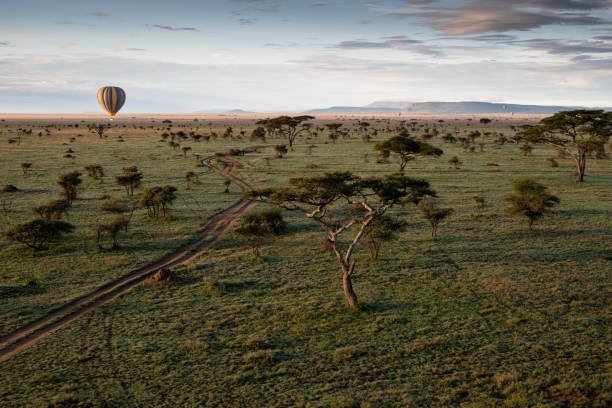
The Top 10 largest national parks in Africa 2026 represent some of the most expansive and vital conservation areas remaining on the planet today. These massive territories provide essential habitats for thousands of species, ranging from the majestic African elephant to the elusive okapi of the Central African rainforests. As we approach the year 2026, these parks are increasingly becoming the focal point for international efforts aimed at protecting global biodiversity and mitigating the effects of climate change through the preservation of massive carbon sinks.
Understanding the scale and ecological significance of these protected areas is crucial for any conservationist or traveler interested in the future of the African wilderness. The following sections will detail the specific characteristics and impressive dimensions of these giants of the natural world.
These are the Top 10 largest national parks in Africa 2026
Ranking the largest national parks in Africa requires a careful look at officially gazetted land areas and the management structures that oversee these vast ecosystems. While some areas are classified as game reserves or nature sanctuaries, they often function with the same level of protection and international recognition as national parks. In 2026, many of these parks have seen expanded boundaries or tighter integration with neighboring conservancies to facilitate large scale wildlife migrations. Here is a comprehensive look at the ten most expansive national parks and reserves currently leading the way in African conservation.
1. Central Kalahari Game Reserve (Botswana)
The Central Kalahari Game Reserve stands as the largest protected area in Botswana and one of the most massive of its kind in the world, covering an area of approximately 52,800 square kilometers. This vast expanse of land is characterized by its dramatic desert landscape, consisting of fossilized river valleys, scrubby grasslands, and massive salt pans that shimmer under the intense African sun. It is a region of extreme temperatures and resilient wildlife, where black maned lions, cheetahs, and brown hyenas have adapted to survive in an environment with very little surface water. The reserve is also the ancestral home of the San people, who have lived in harmony with the Kalahari ecosystem for thousands of years, practicing traditional tracking and gathering techniques. In 2026, the park remains a critical sanctuary for the gemsbok and springbok migrations that move across the desert in search of seasonal rains and grazing. Travelers visiting this remote wilderness often experience a sense of profound isolation, as the park’s size and lack of permanent infrastructure ensure a truly wild and untamed safari experience. The sheer scale of the Central Kalahari makes it a cornerstone of Southern African conservation, providing a safe haven for species that require vast territories to thrive.
2. Nyerere National Park (Tanzania)
Nyerere National Park, formerly a significant portion of the Selous Game Reserve, is the largest national park in Tanzania, spanning approximately 50,000 square kilometers of pristine wilderness. Established in 2019 to honor the nation's founding father, the park is a UNESCO World Heritage site known for its incredible density of elephants, hippos, and crocodiles along the banks of the Rufiji River. The park's landscape is incredibly diverse, featuring a mix of Miombo woodlands, open savannahs, and complex riverine systems that support an incredible variety of birdlife. Nyerere National Park is particularly famous for being a stronghold for the African wild dog, a species that is increasingly rare across the rest of the continent. The park’s management has focused on developing sustainable tourism models that balance the need for revenue with the absolute necessity of protecting its sensitive ecosystems. By 2026, the park has become a model for modern conservation, utilizing advanced satellite tracking and drone technology to monitor wildlife populations and combat illegal poaching. Visitors to Nyerere are often struck by the tranquility of the river cruises and the raw power of the Great Ruaha River as it winds through the heart of this massive sanctuary.
3. Namib-Naukluft National Park (Namibia)
Namib-Naukluft National Park is an architectural marvel of nature, covering nearly 49,768 square kilometers and encompassing some of the oldest desert landscapes on Earth. Located in western Namibia, the park includes the iconic red sand dunes of Sossusvlei, which are among the highest in the world and provide a surreal backdrop for photographers and hikers alike. The park also features the rugged Naukluft Mountains, which offer a sharp contrast to the sandy plains and provide a habitat for the endemic Hartmann’s mountain zebra and various species of raptors. Much of the park’s northern territory consists of the gravel plains of the Central Namib, where the unique Welwitschia mirabilis plant can live for over a thousand years by absorbing moisture from coastal fogs. The park is a vital part of the Namibian government’s strategy to promote high value, low impact tourism that preserves the delicate balance of the desert environment. In 2026, the park continues to attract visitors who are drawn to the "Sea of Sand" and the haunting beauty of Deadvlei, where ancient, skeletal camelthorn trees stand against the bright orange dunes. The immense size of Namib-Naukluft ensures that vast stretches of the desert remain entirely untouched by human activity, preserving a landscape that has changed little over millions of years.
4. Salonga National Park (Democratic Republic of the Congo)
Salonga National Park is the largest tropical rainforest reserve in Africa, covering approximately 36,000 square kilometers within the central Congo River basin. Accessible primarily by water, this massive park is a critical sanctuary for the bonobo, an endangered great ape that is found only in the Democratic Republic of the Congo. The park’s dense vegetation and intricate river networks provide a home for forest elephants, Congo peacocks, and the long snouted crocodile, many of which are rarely seen by humans. Salonga plays a vital role in global climate regulation, as its massive trees and peatlands serve as an enormous carbon sink, absorbing millions of tons of carbon dioxide from the atmosphere. Management of the park is a collaborative effort between the Congolese Institute for the Conservation of Nature and international partners, who work to protect the area from illegal logging and bushmeat hunting. By 2026, Salonga has become a focal point for research into rainforest ecology and the preservation of rare primates in their natural habitat. Its remote location and the difficulty of the terrain make it one of the most challenging but rewarding places for scientific exploration on the continent.
5. Sankuru Nature Reserve (Democratic Republic of the Congo)
Sankuru Nature Reserve is a relatively new but critically important addition to the list of Africa’s largest protected areas, encompassing about 30,000 square kilometers of tropical forest. It was established primarily to protect the okapi, a shy and beautiful forest giraffe that is endemic to the region, as well as several species of rare monkeys and birds. The reserve’s creation was a landmark moment for conservation in the DRC, as it involved extensive consultation with local communities to ensure that their traditional land rights were respected alongside wildlife protection. The forest of Sankuru is incredibly lush and remains one of the least explored regions of the Congo Basin, harboring potentially undiscovered species of insects and plants. In 2026, the reserve is a testament to the power of community led conservation, with local rangers playing a leading role in patrolling the forest and monitoring wildlife health. The reserve also supports a wide variety of aquatic life in the Sankuru River and its many tributaries, making it a complete and self sustaining ecosystem. Its inclusion in the Top 10 largest national parks in Africa 2026 highlights the ongoing commitment to expanding the footprint of protected rainforests in Central Africa.
6. Gemsbok National Park (Botswana)
Gemsbok National Park forms the larger part of the Kgalagadi Transfrontier Park on the Botswana side of the border, covering roughly 28,000 square kilometers of the southern Kalahari. This park is a land of red sand dunes and sparse vegetation, where the Nossob and Auob riverbeds provide essential migration corridors for large herds of wildebeest and eland. The park is world renowned for its predator sightings, particularly the majestic black maned Kalahari lions that roam the dunes in search of prey. Unlike the more humid parks in the north, Gemsbok National Park offers a clear and unobstructed view of wildlife, making it a favorite for researchers studying predator prey dynamics in arid environments. The park’s infrastructure is designed to be eco friendly, with limited camps that minimize the human impact on the fragile desert soil. By 2026, the cross border cooperation between Botswana and South Africa has allowed for the unhindered movement of wildlife across a total area of over 38,000 square kilometers. This transfrontier approach is essential for the long term survival of migratory species that must travel vast distances to find food and water during periods of prolonged drought.
7. Kafue National Park (Zambia)
Kafue National Park is Zambia's oldest and largest national park, spanning an impressive 22,400 square kilometers in the western part of the country. The park is famous for the Busanga Plains in the north, a vast wetland area that is flooded for several months of the year, attracting thousands of lechwe, buffalo, and a wide variety of waterbirds. Kafue is known for its incredible diversity of antelope species, including the rare puku, sitatunga, and roan antelope, which in turn support a healthy population of leopards and lions. The Kafue River winds through the park, providing a permanent source of water and opportunities for boat safaris that offer a different perspective of the wilderness. In recent years, the park has benefited from significant investment in anti poaching operations and infrastructure, leading to a visible increase in the numbers of elephants and other large mammals. By 2026, Kafue has established itself as a top tier destination for travelers seeking a diverse and relatively uncrowded safari experience in Southern Africa. The park’s various eco-systems, from riverine forests to dambos and teak forests, make it one of the most ecologically varied parks on this list.
8. Etosha National Park (Namibia)
Etosha National Park is one of Africa’s most iconic wildlife destinations, covering 22,270 square kilometers and centered around the massive Etosha Pan. This white, salt encrusted depression is so large that it can be seen from space, and during the dry season, it becomes a focal point for wildlife viewing as animals gather around the perennial springs on its edges. The park is a stronghold for the endangered black rhinoceros and the endemic black faced impala, both of which are carefully monitored by the Namibian Ministry of Environment and Tourism. Etosha is unique because of its highly developed system of floodlit waterholes at the main camps, which allow visitors to observe nocturnal animal behavior in a safe and controlled environment. The park’s landscape is mostly dry and open, consisting of Mopane woodland and thorny scrub, which makes it relatively easy to spot lions, elephants, and giraffes from the well maintained road network. In 2026, Etosha remains a flagship for Namibian conservation, successfully balancing the high volume of tourists with the strict protection of its unique desert adapted species. The seasonal transformation of the pan after heavy rains, when it occasionally fills with water and attracts thousands of flamingos, is one of the most spectacular sights in the African natural world.
9. Ruaha National Park (Tanzania)
Ruaha National Park, located in the rugged heart of Tanzania, covers approximately 20,226 square kilometers and is famous for its dramatic landscapes of ancient baobab trees and rocky outcrops. The park is named after the Great Ruaha River, which flows along its southeastern margin and serves as the primary water source for the region's vast wildlife populations. Ruaha is home to one of the largest concentrations of elephants in East Africa and is a critical area for the conservation of large carnivores, particularly lions and spotted hyenas. The park’s location in a transition zone between eastern and southern African flora and fauna means that visitors can see a unique mix of species, such as both the greater and lesser kudu. Over the last few years, the Tanzanian government has worked to expand the park’s boundaries and improve its accessibility, turning it into a major hub for the southern safari circuit. By 2026, Ruaha has gained international recognition for its efforts to manage human wildlife conflict on its borders through community education and sustainable farming practices. The park’s wild and rugged character offers a stark contrast to the more manicured parks of the north, providing a "hidden gem" experience for seasoned safari enthusiasts.
10. Kruger National Park (South Africa)
Kruger National Park is perhaps the most famous wildlife sanctuary in the world, covering 19,485 square kilometers of northeastern South Africa. It is a leader in unrivaled biological diversity, housing the Big Five—lion, leopard, elephant, buffalo, and rhino—alongside hundreds of other species of mammals, birds, and reptiles. Kruger is known for its sophisticated infrastructure, including an extensive network of paved roads, rest camps, and private concessions that cater to a wide range of budgets and preferences. The park is a pioneer in the use of high tech security measures, such as thermal imaging and K9 units, to protect its vulnerable rhinoceros population from organized poaching syndicates. Kruger is also a vital component of the Great Limpopo Transfrontier Park, which links it with Limpopo National Park in Mozambique and Gonarezhou National Park in Zimbabwe. This massive international cooperation allows for the restoration of historical migration routes and the expansion of the gene pool for several key species. By 2026, Kruger continues to be a global classroom for wildlife management and veterinary science, hosting researchers from across the world who study everything from bovine tuberculosis to the impact of elephants on woody vegetation. Its historical significance and commitment to modern conservation keep it firmly among the top national parks on the continent.
Conservation Challenges and the Future of Large African Parks
While the Top 10 largest national parks in Africa 2026 are massive in scale, they face significant challenges that require constant vigilance and international support. Poaching remains a persistent threat, particularly for high value species like elephants and rhinos, driven by the illegal international trade in ivory and horn. To combat this, many parks have moved toward a more militarized form of protection, employing highly trained ranger units equipped with the latest tactical gear and communication systems. However, long term success also depends on reducing the demand for these products in consumer nations and providing alternative livelihoods for communities living on the edges of the parks. When local people see a direct economic benefit from wildlife through tourism jobs and community development funds, they are much more likely to become partners in conservation rather than participants in poaching.
Climate change is another looming threat that is already beginning to alter the landscapes of these great parks. Changing rainfall patterns can lead to prolonged droughts or devastating floods, which disrupt the availability of food and water for wildlife. Parks like the Central Kalahari and Etosha are particularly vulnerable to these shifts, as their ecosystems are already balanced on a knife edge of aridity. Conservationists in 2026 are increasingly focusing on creating "climate corridors" that allow animals to move to more suitable environments as their traditional habitats change. This often involves working outside the formal boundaries of national parks to secure land on private farms and communal conservancies, creating a more flexible and resilient conservation network across the continent.
The integration of technology into park management has also reached new heights as we move through the decade. In 2026, many of the largest parks utilize Artificial Intelligence to analyze data from camera traps and acoustic sensors, allowing rangers to detect the presence of poachers or identify individual animals with incredible precision. Real time satellite monitoring helps in tracking the spread of bushfires and monitoring the health of vegetation across millions of hectares of wilderness. These tools allow for a more proactive approach to management, where potential problems can be identified and addressed before they become crises. Despite these advancements, the human element remains the most important factor, as the dedication of the men and women on the ground continues to be the primary line of defense for Africa's natural heritage.
Finally, the sustainable financing of these massive territories is a major point of discussion in 2026. Traditional tourism revenue is often not enough to cover the immense costs of protecting tens of thousands of square kilometers of land. Many parks are now exploring innovative funding models, such as carbon credits and biodiversity offsets, where international corporations pay to preserve these carbon rich ecosystems as part of their environmental commitments. This shift toward "valuing the standing forest" provides a more stable and diverse income stream for park authorities. As the global community becomes more aware of the intrinsic value of nature, the Top 10 largest national parks in Africa 2026 are being recognized not just as holiday destinations, but as essential global assets that must be protected at all costs.
| Rank | Park Name | Country | Area (Approx. Sq Km) |
|---|---|---|---|
| 1 | Central Kalahari Game Reserve | Botswana | 52,800 |
| 2 | Nyerere National Park | Tanzania | 50,000 |
| 3 | Namib-Naukluft National Park | Namibia | 49,768 |
| 4 | Salonga National Park | DR Congo | 36,000 |
| 5 | Sankuru Nature Reserve | DR Congo | 30,000 |
| 6 | Gemsbok National Park | Botswana | 28,000 |
| 7 | Kafue National Park | Zambia | 22,400 |
| 8 | Etosha National Park | Namibia | 22,270 |
| 9 | Ruaha National Park | Tanzania | 20,226 |
| 10 | Kruger National Park | South Africa | 19,485 |
Conclusion
The Top 10 largest national parks in Africa 2026 stand as enduring symbols of the continent's commitment to preserving its natural heritage for future generations. These vast wilderness areas, from the salt pans of Etosha to the deep rainforests of Salonga, provide the space and resources necessary for complex ecosystems to function and flourish. While they face modern challenges from climate change and illegal trade, the integration of new technologies and community based models offers a hopeful path forward. As global citizens, our support for these massive conservation efforts is essential for maintaining the biodiversity of our planet. These parks remain the ultimate destination for those seeking to connect with the raw and majestic power of the African wilderness.
Enjoyed this read?
Share it with your friends and colleagues.