Top 10 places to visit in Africa

BSC Insights Admin
October 01, 2026
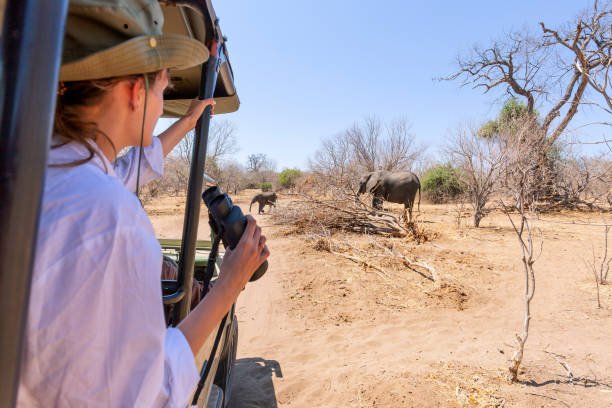
The Top 10 places to visit in Africa offer a breathtaking range of experiences from ancient historical monuments to some of the world's most diverse wildlife sanctuaries. This vast continent contains fifty-four distinct nations, each providing unique cultural heritage and natural wonders that cater to every type of traveler. Exploring these destinations allows visitors to witness the incredible balance between modern urban development and pristine ecological landscapes.
Planning a journey across such a massive landmass requires careful consideration of seasonal weather patterns and regional travel regulations. The following list highlights the most iconic and highly rated locations that consistently provide unforgettable memories for international tourists.
These are the Top 10 places to visit in Africa
Selecting the premier destinations on the continent involves looking at historical significance, ecological diversity, and the quality of tourism infrastructure available to visitors. The places listed below are recognized globally for their beauty and the unique adventures they offer, ranging from high-altitude trekking to relaxing on tropical beaches. Each location represents a different facet of the African experience, ensuring that whether you seek adrenaline or education, there is a perfect spot for you. Here is a comprehensive breakdown of the most essential destinations you should consider for your next major excursion. These locations have been vetted by travel experts and frequent explorers who prioritize authentic and impactful experiences.
1. Serengeti National Park, Tanzania
The Serengeti National Park is perhaps the most famous wildlife sanctuary on earth, spanning approximately 14,750 square kilometers of vast savanna and open plains. It is most renowned for the Great Migration, an annual event where over 2 million wildebeest, zebras, and gazelles traverse the landscape in search of greener pastures. This movement of animals creates a dramatic theater of life and death as predators like lions, leopards, and cheetahs follow the herds across the Mara and Grumeti rivers. Visitors can enjoy a Serengeti safari through various means, including traditional 4x4 game drives or majestic hot air balloon rides at dawn. The park is a UNESCO World Heritage site and provides a critical habitat for the Big Five, which includes the lion, leopard, rhinoceros, elephant, and Cape buffalo. Because the ecosystem is so large, it offers a sense of prehistoric isolation that is rare in the modern world, making it a top priority for any nature lover. Statistical data shows that the park remains one of the most visited areas in East Africa, supporting thousands of local jobs and conservation initiatives through sustainable tourism revenue.
2. The Pyramids of Giza, Egypt
The Pyramids of Giza stand as the last remaining wonder of the ancient world and have fascinated travelers for over four thousand years. Located on the outskirts of Cairo, the complex includes the Great Pyramid of Khufu, which originally stood at 146 meters tall and was built using over 2.3 million stone blocks. Exploring these Egyptian pyramids allows tourists to delve into the complex burial rituals and architectural mastery of the Old Kingdom pharaohs. Beside the towering structures lies the Great Sphinx, a limestone statue with the body of a lion and the head of a human, believed to represent the Pharaoh Khafre. Many visitors choose to take camel rides around the plateau to capture the perfect sunset view of the desert horizon. The site also features several smaller queen pyramids and a solar boat museum that displays a reconstructed cedar ship found buried near the main pyramid. Egypt has recently invested in a new visitor center and improved transport links to ensure that the millions of people who visit each year can do so with greater comfort and security.
3. Victoria Falls, Zambia and Zimbabwe
Known locally as Mosi-oa-Tunya, which translates to the Smoke that Thunders, Victoria Falls is the largest curtain of falling water in the world. It spans a width of 1,708 meters and drops 108 meters into the Batoka Gorge, creating a mist that can be seen from several kilometers away. A Victoria Falls adventure often involves walking along the rainforest trails that provide various vantage points of the Main Falls, Horseshoe Falls, and Rainbow Falls. For the more daring, the Devil's Pool offers a natural infinity pool right on the edge of the precipice during the dry season when water levels are lower. The surrounding national parks in both Zambia and Zimbabwe allow for excellent wildlife viewing, where elephants and hippos are frequently spotted near the Zambezi River. Bungee jumping from the Victoria Falls Bridge and white-water rafting on the rapids below provide high-intensity thrills for adrenaline seekers. The infrastructure around the falls includes luxury lodges and colonial-era hotels that provide a perfect base for exploring this natural wonder of the world.
4. Cape Town, South Africa
Cape Town is a stunning coastal city that perfectly blends urban sophistication with raw natural beauty, anchored by the iconic flat-topped Table Mountain. Visitors can take a revolving cable car to the summit of the mountain to enjoy 360-degree views of the Atlantic Ocean and the bustling city bowl below. The city is a hub for Cape Town tourism, featuring the historic Robben Island where Nelson Mandela was imprisoned, which now serves as a moving museum for civil rights. A short drive from the city center leads to the Cape Winelands, where world-class estates in Stellenbosch and Franschhoek offer tours of historic vineyards and cellars. The V&A Waterfront provides a lively atmosphere with shopping, dining, and the Zeitz Museum of Contemporary Art Africa, which is the largest of its kind on the continent. Coastal drives along Chapman's Peak or visits to the penguin colony at Boulders Beach offer incredible scenery and unique wildlife encounters. South Africa's legislative capital remains a favorite for international travelers due to its high-quality infrastructure and the diversity of its culinary and cultural scenes.
5. Marrakesh, Morocco
Marrakesh is a vibrant sensory explosion of color, sound, and scent, serving as the cultural heart of Morocco at the foot of the Atlas Mountains. The city is famous for its medina, a labyrinth of narrow alleys filled with souks selling everything from intricate hand-woven carpets to aromatic spices. At the center of this historical district lies the Jemaa el-Fnaa square, where snake charmers, storytellers, and street food vendors create a lively atmosphere every evening. Many visitors opt for Marrakesh cultural tours to see the Koutoubia Mosque, the Bahia Palace, and the Saadian Tombs, which showcase stunning Islamic architecture and tilework. The Majorelle Garden, once owned by Yves Saint Laurent, provides a peaceful blue-hued oasis filled with exotic plants and fountains. Exploring the nearby Atlas Mountains offers a chance to visit traditional Berber villages and enjoy spectacular trekking routes through the rugged terrain. Marrakesh is also known for its luxury riads, which are traditional houses with interior courtyards that have been converted into boutique hotels, offering a quiet escape from the energetic city streets.
6. The Okavango Delta, Botswana
The Okavango Delta is one of the world's most unique inland water systems, where the Okavango River flows into the Kalahari Desert instead of the ocean. This creates a vast wetland oasis that covers up to 15,000 square kilometers during the peak flood season, attracting an incredible concentration of animals. Travelers typically explore the delta in a mokoro, which is a traditional dugout canoe propelled by a skilled poler through narrow reed-filled channels. This silent mode of transport allows for intimate encounters with lechwe antelopes, crocodiles, and a vast array of bird species such as the African fish eagle. The delta is a stronghold for African wildlife conservation, providing a safe haven for endangered species like the African wild dog and the black rhinoceros. Luxury tented camps are situated on private concessions, offering exclusive access to some of the best predator sightings in Southern Africa. The seasonal nature of the floods means the landscape is constantly changing, providing a different visual and ecological experience depending on the month of the visit. It is a UNESCO World Heritage site and remains one of the last truly wild places left on the planet.
7. Mount Kilimanjaro, Tanzania
Mount Kilimanjaro is the highest free-standing mountain in the world and the tallest peak in Africa, reaching an elevation of 5,895 meters at its summit. Climbing this dormant volcano is a bucket-list challenge for thousands of trekkers who come to experience its five distinct climate zones, ranging from tropical rainforests to arctic deserts. There are several routes to the top, with the Machame and Marangu routes being the most popular due to their scenic views and varying levels of difficulty. Unlike many other high-altitude peaks, reaching the Uhuru Peak does not require technical climbing skills, but it does demand high physical endurance and careful acclimatization to the thinning air. Statistical records indicate that approximately 35,000 people attempt the climb each year, with varying success rates depending on the length of the itinerary. As you ascend, you move past giant groundsels and lobelias toward the shrinking glaciers that cap the mountain, which provide a dramatic and beautiful landscape. Reaching the summit at sunrise offers a view over the clouds that many describe as the most moving experience of their lives, making it a cornerstone of Tanzanian adventure tourism.
8. Volcanoes National Park, Rwanda
Volcanoes National Park in northwestern Rwanda is the premier destination for mountain gorilla trekking, protecting a significant portion of the world's remaining population of these gentle giants. The park is part of the Virunga Mountains and consists of five volcanoes covered in dense bamboo forests and high-altitude rainforest. A permit is required to visit the gorillas, and the experience involves hiking through the rugged terrain with expert trackers to spend one hour with a habituated gorilla family. This wildlife encounter is strictly regulated to ensure the health and safety of the primates, who share 98 percent of their DNA with humans. Besides gorillas, the park is also home to the endangered golden monkey and several species of birds that are endemic to the Albertine Rift. The work of primatologist Dian Fossey was centered here, and visitors can trek to her former research station and grave site to learn about her legacy. Rwanda's commitment to high-end, low-impact tourism has made this experience one of the most exclusive and successful conservation stories in modern history.
9. Zanzibar Archipelago, Tanzania
Zanzibar is a stunning collection of islands off the coast of Tanzania that offers a perfect mix of white-sand beaches and deep historical roots. Stone Town, the capital's historic heart, is a maze of winding alleys filled with beautifully carved wooden doors and markets that reflect its past as a major spice and trade hub. Visitors can take tours of spice plantations to see how cloves, nutmeg, and cinnamon are grown, earning the region its nickname as the Spice Islands. The surrounding coral reefs provide world-class snorkeling and diving opportunities, particularly around Mnemba Atoll, where dolphins and green turtles are frequently seen. Relaxing on the beaches of Nungwi or Kendwa offers a tranquil escape with turquoise waters that remain warm throughout the year. The archipelago also features the Jozani Chwaka Bay National Park, which is the last refuge for the endemic red colobus monkey. Zanzibar's unique Swahili culture, which blends African, Arab, and Indian influences, is reflected in its delicious cuisine and annual festivals like the Zanzibar International Film Festival. This destination is often the perfect way to conclude an East African safari, providing a relaxing coastal environment after the dust of the savanna.
10. Fish River Canyon, Namibia
The Fish River Canyon in southern Namibia is the second-largest canyon in the world and the largest in Africa, offering a landscape of immense scale and geological wonder. It measures approximately 160 kilometers in length and up to 27 kilometers in width, with a depth of 550 meters at its deepest points. The canyon was formed over millions of years through both tectonic activity and the erosive power of the Fish River, which now only flows during the rainy season. For the adventurous, the Fish River Canyon hike is a legendary 85-kilometer trek that takes five days to complete, winding through the rugged canyon floor with no facilities along the way. Most visitors, however, enjoy the various lookout points near Hobas, which provide dramatic views of the canyon's meandering curves and stark rock formations. The area is also known for its hot springs at Ai-Ais, which provide a relaxing place to soak after exploring the arid surroundings. The vastness and silence of the canyon create a powerful sense of awe, making it one of the most photographed and respected natural sites in Namibia. It is a testament to the ancient geological forces that have shaped the southern part of the continent over eons.
Logistics and Sustainable Travel in African Destinations
When planning a trip to any of the Top 10 places to visit in Africa, it is essential to consider the logistical aspects that make international travel efficient and safe. Most of these destinations are served by major international airports in cities like Nairobi, Johannesburg, Cairo, and Casablanca, which offer connections to domestic airlines that fly to smaller bush strips or coastal towns. Sustainable tourism is a growing priority across the continent, with many lodges and tour operators implementing eco-friendly practices such as solar power, water conservation, and plastic-free policies. By choosing operators that prioritize local employment and conservation funding, travelers can ensure that their presence supports the long-term health of the environment and the prosperity of local communities.
Safety and health are also important factors, and it is recommended that travelers check for updated travel advisories and consult with a travel clinic regarding necessary vaccinations and malaria prophylaxis. Many countries are moving toward e-visa systems, which have significantly simplified the process of obtaining entry permits for a wide range of nationalities. It is also wise to carry a mix of local currency and major international currencies like US Dollars or Euros, as credit cards are widely accepted in urban centers but cash is often necessary in remote areas. Engaging with local guides not only enhances the safety of the trip but also provides deeper cultural insights that are often missing from standard guidebooks.
The technological landscape in Africa is changing rapidly, with high-speed internet and mobile payment systems like M-Pesa becoming the norm in many East African nations. This has made it easier for travelers to navigate, book last-minute transport, and stay connected with family back home even while in remote safari camps. Digital maps and travel apps have revolutionized how people explore cities like Cape Town or Marrakesh, providing real-time data on everything from restaurant reviews to public transport schedules. Despite these modern conveniences, the charm of the continent often lies in the moments where technology fades away, allowing for a deep connection with the natural scenery and wildlife. Balancing modern tools with traditional experiences is the key to a successful African adventure.
Finally, understanding cultural etiquette is vital for fostering positive interactions with the people you meet during your travels. Whether it is asking for permission before taking photos of individuals in a market or dressing modestly when visiting religious sites in Morocco or Egypt, these small gestures of respect go a long way. Africa is a continent of immense hospitality, and taking the time to learn a few words in the local language, such as Swahili in East Africa or Arabic in the North, is always appreciated. The diversity of the continent means that every destination has its own unique set of social norms and traditions that enrich the travel experience for those who remain curious and open-minded. By approaching your journey with respect and a spirit of discovery, you can truly appreciate the depth and beauty of these ten iconic locations.
| Destination | Primary Attraction | Best Time to Visit | Country |
|---|---|---|---|
| Serengeti National Park | Great Migration & Wildlife | June to October | Tanzania |
| Pyramids of Giza | Ancient History | October to April | Egypt |
| Victoria Falls | Waterfalls & Adventure | February to May | Zambia / Zimbabwe |
| Cape Town | Table Mountain & Coastal Views | November to March | South Africa |
| Marrakesh | Culture & Markets | March to May | Morocco |
Conclusion
The Top 10 places to visit in Africa provide a stunning window into the diverse landscapes and rich history that make the continent a premier global travel destination. From the high peaks of Kilimanjaro to the deep waters of the Okavango Delta, these locations offer experiences that are as educational as they are exhilarating. As tourism continues to evolve, the focus on sustainability and cultural respect will ensure that these wonders remain protected for future generations of explorers. Whether you are looking for a soul-stirring safari or a historical pilgrimage, Africa's most iconic sites are ready to welcome you with open arms. Embracing the spirit of adventure is the first step toward discovering the many secrets and treasures hidden across this vast and beautiful land.
Enjoyed this read?
Share it with your friends and colleagues.