Top 10 most popular countries in Africa

BSC Insights Admin
September 30, 2026
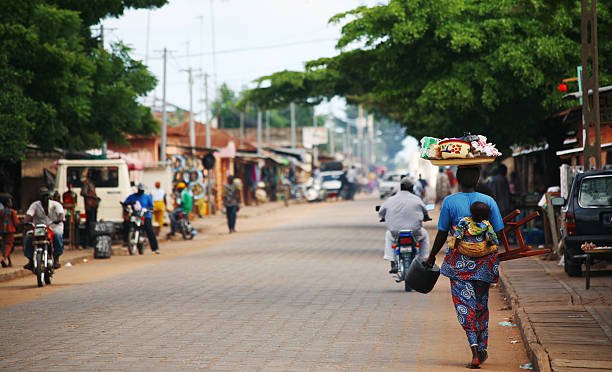
The Top 10 most popular countries in Africa are defined by their unique combination of breathtaking natural landscapes, rich historical heritage, and significant cultural influence on the global stage. These nations attract millions of international visitors annually who seek to explore everything from ancient Egyptian pyramids to the vast wildlife reserves of East and Southern Africa. By analyzing tourism statistics, digital search trends, and cultural exports, we can identify which countries currently lead the continent in terms of global recognition and appeal.
The popularity of these nations is not merely a result of their geographical beauty but also their investment in modern infrastructure and the hospitality industry. This article examines the specific factors that have propelled these countries to the forefront of the African travel and cultural landscape.
These are the Top 10 most popular countries in Africa
The following nations represent the most sought after destinations and culturally significant states on the continent today. This list takes into account annual tourist arrivals, the global reach of their music and film industries, and their overall presence in international media. Each of these countries offers a distinct experience that resonates with a wide variety of global audiences. Here is a detailed look at the most popular countries currently shaping the identity of the African continent.
1. Egypt
Egypt remains the most popular country in Africa for international tourists, largely due to its unparalleled collection of ancient monuments and historical sites. The country welcomed approximately 14.9 million visitors in 2023, setting a new record that underscores its enduring appeal to history enthusiasts and luxury travelers alike. Home to the Great Pyramids of Giza, the Sphinx, and the Valley of the Kings, Egypt offers a journey back in time that is unmatched by any other nation on earth. Beyond its ancient history, the Red Sea resorts in Hurghada and Sharm El-Sheikh provide world class diving and snorkeling opportunities that attract millions of sun seekers every year. The recent opening of the Grand Egyptian Museum has further solidified its status as a premier global destination, showcasing thousands of artifacts in a state of the art facility. Egypt also benefits from a central geographical location that makes it an accessible bridge between Africa, the Middle East, and Europe. Its popular culture, particularly its cinema and music, has a massive following across the Arab world, further enhancing its regional and global popularity.
2. Morocco
Morocco is a vibrant blend of North African, Arab, and European influences that has made it one of the most visited and photographed countries on the continent. In recent years, the kingdom has seen a massive surge in popularity, with over 13 million tourists visiting cities like Marrakesh, Casablanca, and Fes annually. The country is famous for its intricate architecture, bustling souks, and the majestic Atlas Mountains which offer spectacular trekking opportunities. Morocco’s culinary scene is a major draw, with its iconic tagines and couscous dishes gaining international acclaim and featuring in high end restaurants worldwide. The Sahara Desert provides a romantic and adventurous backdrop for camel treks and luxury desert camps, which have become staples of the modern travel influencer's itinerary. Morocco has also become a major hub for the international film industry, with the city of Ouarzazate serving as the filming location for numerous Hollywood blockbusters and popular television series. Its political stability and well developed transport network make it a safe and easy destination for travelers from all walks of life.
3. South Africa
South Africa is widely known as the "Rainbow Nation" due to its incredible cultural diversity and its status as a leading economic and sporting powerhouse in Africa. It consistently ranks high in popularity because it offers a "world in one country," ranging from the sophisticated urban life of Cape Town to the raw wilderness of the Kruger National Park. The country is a top choice for safari enthusiasts who wish to see the Big Five in their natural habitat while enjoying some of the best luxury lodges in the world. South Africa’s wine industry is another major contributor to its popularity, with the Cape Winelands offering scenic tours and world class tastings that attract connoisseurs globally. The legacy of Nelson Mandela and the country’s journey toward democracy provide a profound historical and emotional draw for many international visitors. Additionally, South Africa is a major host for international conferences and sporting events, having successfully hosted the 2010 FIFA World Cup, which significantly boosted its global profile. Its infrastructure is among the best in Africa, making it a convenient entry point for first time visitors to the continent.
4. Nigeria
Nigeria’s popularity is driven less by traditional tourism and more by its immense cultural "soft power" and its status as the most populous nation in Africa. Through the global explosion of Afrobeats music, led by superstars like Burna Boy and Wizkid, Nigeria has become a central point of interest for youth culture worldwide. The country’s film industry, known as Nollywood, is the second largest in the world by volume, producing thousands of stories that are watched across the continent and the African diaspora. Lagos, the country’s commercial capital, is famous for its high energy nightlife, fashion scenes, and entrepreneurial spirit, attracting business travelers and cultural explorers alike. Nigeria also boasts a rich history of ancient kingdoms and diverse ethnic traditions that provide a deep well of inspiration for its thriving contemporary art scene. While it faces challenges with traditional tourism infrastructure, its influence on global music, fashion, and digital trends is undeniable. The "Detty December" phenomenon, where thousands of people from the diaspora return to Lagos for festivals and concerts, has made Nigeria a seasonal hotspot for global travelers.
5. Kenya
Kenya is the historic home of the African safari and remains one of the most popular countries for wildlife photography and conservation tourism. The Maasai Mara National Reserve is world famous for the Great Migration, an annual event where millions of wildebeest and zebras cross from the Serengeti, providing a spectacular display of nature's raw power. Kenya has also positioned itself as a leader in eco-tourism, with many private conservancies working closely with local Maasai communities to protect the environment and provide sustainable livelihoods. The capital, Nairobi, has evolved into a major technology hub known as the "Silicon Savannah," attracting tech professionals and investors from across the globe. Kenya’s coastal region, particularly Diani Beach and the historic town of Lamu, offers pristine white sands and a unique Swahili culture that contrasts beautifully with the inland savannahs. The country’s recent decision to implement a visa-free entry system for many international visitors in 2024 has further increased its accessibility and popularity. Kenya’s blend of modern innovation and timeless natural beauty makes it a quintessential African destination for the 21st century.
6. Tanzania
Tanzania holds a special place in the hearts of travelers due to its iconic natural landmarks, including Mount Kilimanjaro, the highest peak in Africa. The country is also home to the Ngorongoro Crater and the Serengeti National Park, which offer some of the most consistent and high quality wildlife viewing experiences on the planet. Tanzania’s popularity has been further bolstered by the "Royal Tour" documentary featuring President Samia Suluhu Hassan, which highlighted the country’s hidden gems to a global audience. The archipelago of Zanzibar is a major draw in its own right, offering a tropical paradise with a rich history of spice trading and stunning Indian Ocean beaches. Zanzibar’s Stone Town is a UNESCO World Heritage site that enchants visitors with its narrow alleys and beautifully carved wooden doors. Tanzania is often praised for its peace and stability, making it a welcoming destination for families and solo travelers alike. The government has focused on expanding the southern safari circuit to reduce the pressure on the northern parks, ensuring that the country’s beauty remains preserved for future generations.
7. Ethiopia
Ethiopia is popular for its deep historical roots and its unique status as one of the only African nations never to be colonized, which has preserved a very distinct cultural identity. It is often referred to as the "Land of Origins," as it is home to some of the oldest hominid fossils ever discovered, including the famous "Lucy." The country is a major destination for religious tourism, with the rock-hewn churches of Lalibela and the ancient stelae of Aksum attracting thousands of pilgrims and historians annually. Ethiopia’s coffee culture is another significant factor in its popularity, as the country is the birthplace of the Arabica bean and maintains a traditional coffee ceremony that is a must-experience for any visitor. Addis Ababa serves as the diplomatic capital of Africa, housing the headquarters of the African Union and attracting a large international community of diplomats and researchers. The Ethiopian Highlands offer some of the most dramatic mountain scenery on the continent, including the Simien Mountains where rare species like the Gelada baboon reside. The global success of Ethiopian Airlines, the largest and most successful carrier in Africa, has made the country a major transit hub, introducing millions of travelers to the nation’s hospitality.
8. Mauritius
Mauritius is a premier luxury destination that consistently ranks as one of the most popular island nations in Africa for honeymooners and high-end travelers. This Indian Ocean gem is known for its crystal clear lagoons, coral reefs, and volcanic mountain backdrops that provide a stunning setting for relaxation and adventure. The country has a highly developed tourism sector that focuses on quality over quantity, with world class resorts offering personalized service and gourmet dining. Mauritius is also celebrated for its stable democracy and prosperous economy, making it one of the safest and most investor-friendly countries in the region. The island’s multicultural heritage, with influences from India, Africa, Europe, and China, is reflected in its diverse cuisine and colorful festivals. For example, the "Seven Coloured Earths" of Chamarel and the Black River Gorges National Park offer unique geological and botanical experiences that go beyond the typical beach holiday. Its high standard of living and commitment to environmental protection make it a model for sustainable island development. Mauritius continues to attract a global elite who value its privacy, safety, and natural splendor.
9. Ghana
Ghana has seen a massive surge in popularity over the last few years, particularly among the African diaspora, following the highly successful "Year of Return" campaign in 2019. The country has positioned itself as the gateway to Africa for those looking to reconnect with their ancestral roots, focusing on the historic slave forts of Cape Coast and Elmina. Accra, the capital, is a bustling metropolis known for its vibrant art galleries, high end fashion, and a nightlife that is considered one of the best in West Africa. Ghana is often cited as the "Black Star" of the continent due to its long history of political stability and its role as the first Sub-Saharan nation to gain independence from colonial rule. The country’s hospitality is legendary, with the concept of "Akwaaba" (welcome) being central to the Ghanaian identity. Ghana is also a major producer of cocoa and gold, and its traditional kente cloth has become a global symbol of African pride and heritage. Its growing tech ecosystem and the development of the "Beyond the Return" initiative ensure that the country remains a top destination for both cultural tourism and business investment.
10. Seychelles
Seychelles is the ultimate definition of an exclusive tropical paradise, consisting of 115 islands that offer some of the most pristine environments in the world. It is immensely popular for its unique granite boulders and white powder beaches, particularly Anse Source d’Argent, which is frequently named the most beautiful beach on earth. The country has a very low human footprint, as nearly 50 percent of its land area is protected in nature reserves and national parks. This commitment to conservation has allowed rare species like the giant Aldabra tortoise and the coco de mer palm to thrive, attracting nature lovers and researchers from across the globe. Seychelles is a favorite among celebrities and royalty who seek total privacy in ultra-luxury island resorts that are often accessible only by helicopter or boat. The vibrant Creole culture, with its unique blend of French and African influences, adds a charming layer to the visitor experience through its music, dance, and seafood-heavy cuisine. Despite being a small nation, its leadership in the "Blue Economy" and marine conservation has given it a significant international profile. Seychelles remains a dream destination that epitomizes the raw, untouched beauty of the African coastal landscape.
Comparative Analysis of Popularity Drivers in Africa
The Top 10 most popular countries in Africa are successful because they leverage different "drivers" of popularity that cater to various global market segments. For North African countries like Egypt and Morocco, the primary driver is historical and architectural heritage, combined with their proximity to the European market. These nations have professionalized their tourism sectors over decades, resulting in high return rates and a robust hospitality infrastructure that can handle millions of arrivals. In contrast, East African nations like Kenya and Tanzania rely heavily on their unique biological assets, focusing on the "bucket list" experience of a high-end wildlife safari. These countries have mastered the art of luxury eco-tourism, showing that high prices do not deter travelers if the experience is sufficiently rare and well-managed.
Economic and cultural influence plays a different role for West African giants like Nigeria and Ghana. Their popularity is rooted in cultural influence and the emotional connection of the diaspora, which is a powerful and growing segment of the travel market. Nigeria’s popularity is largely digital and cultural, where its "brand" is exported through music and film, creating a desire for people to visit the source of these trends. Ghana has used a more institutional approach, creating government-backed campaigns that treat the diaspora as a strategic partner in national development. This shows that popularity can be built through narrative and identity just as much as through physical landmarks. The diverse ways these ten countries have achieved fame demonstrate the multi-faceted nature of the African continent's modern appeal.
| Country | Primary Popularity Driver | Estimated Annual Visitors | Key Attraction |
|---|---|---|---|
| Egypt | Ancient History | 14.9 Million | Pyramids of Giza |
| South Africa | Diversity & Wildlife | 8.5 Million | Kruger National Park |
| Morocco | Culture & Landscapes | 13.2 Million | Marrakesh Medina |
| Kenya | Wildlife & Safari | 2.1 Million | Maasai Mara |
| Nigeria | Entertainment & Soft Power | 1.2 Million | Lagos Nightlife |
Looking ahead, the popularity of these nations is expected to be further enhanced by the increasing ease of intra-African travel and the implementation of the African Continental Free Trade Area. As African nations begin to trade more and move more freely between each other, domestic and regional tourism will become a larger part of the popularity equation. Digital platforms like TikTok and Instagram are also playing a crucial role in democratizing travel information, allowing lesser known gems within these popular countries to gain instant global fame. The rise of the "digital nomad" is also seeing countries like Mauritius and Kenya offer special visas to attract remote workers, which will likely change the demographic of people who contribute to a country’s popularity index. By 2026, the way we measure the popularity of a nation will likely include its digital footprint and its ability to offer sustainable, long-term living options for global citizens.
Finally, it is important to note that the popularity of these countries provides a vital economic cushion, contributing significantly to their national GDPs and providing millions of jobs. In countries like Seychelles and Mauritius, tourism is the lifeblood of the economy, and their success in maintaining popularity is a matter of national survival. This economic necessity drives a constant cycle of innovation and improvement in service standards, which in turn keeps the countries at the top of the popularity rankings. The Top 10 most popular countries in Africa are thus not just destinations but are complex brands that require constant management and protection. As the world becomes more connected, these nations are poised to remain the primary representatives of Africa's diverse and enduring spirit on the global stage.
Conclusion
The Top 10 most popular countries in Africa serve as powerful ambassadors for a continent that is increasingly becoming the center of global travel and cultural interest. From the ancient wonders of Egypt to the modern musical influence of Nigeria, these nations provide a diverse range of reasons for the world to pay attention. Their success is built on a foundation of unique natural assets, rich history, and a resilient spirit that continues to innovate and inspire. As infrastructure improves and the world becomes more aware of Africa's diverse offerings, these ten countries will likely continue to lead the way in global rankings. Exploring these popular nations offers a profound insight into the past, present, and future of our global human story.
Enjoyed this read?
Share it with your friends and colleagues.