Top 10 quran reciters in Africa 2026

BSC Insights Admin
September 30, 2026
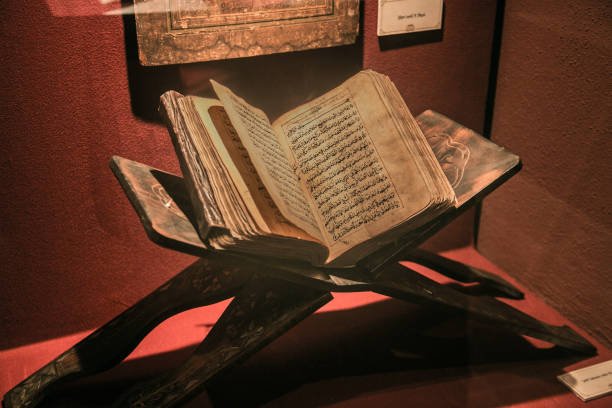
Identifying the Top 10 quran reciters in Africa 2026 involves an appreciation for the deep spiritual heritage and vocal mastery that defines the continent's contribution to Islamic oral tradition. These reciters are not merely vocalists but are custodians of the divine word, utilizing complex rules of Tajweed and diverse melodic scales to bring the holy text to life for millions of believers. From the classical "Golden Era" masters of Egypt to the soulful, rhythmic variations found in the Sahel and West Africa, these individuals represent the absolute pinnacle of religious artistry on the continent.
The following analysis explores the specific technical skills and historical legacies that have solidified these reciters as global icons of faith. We will examine how their unique regional styles continue to influence the auditory landscape of African spirituality as we look toward the 2026 calendar year.
These are the Top 10 quran reciters in Africa 2026
The selection of these elite reciters is based on several key performance indicators including the precision of their phonetics, their influence on the "maqamat" or musical scales of recitation, and their enduring popularity across digital streaming platforms. In 2026, the demand for high-fidelity recordings of the Quran has reached a historic peak, allowing these African masters to reach a global audience that spans from Lagos to London. The list features a blend of legendary figures whose influence is timeless and modern masters who have adapted their delivery for a new generation of listeners. Here is a comprehensive breakdown of the most influential and respected Quranic voices currently leading the way in the African region.
1. Mahmoud Khalil Al-Hussary (Egypt)
Mahmoud Khalil Al-Hussary remains the definitive benchmark for Quranic recitation not just in Africa but across the entire Islamic world. He was the first reciter to record the complete Quran in the "Murattal" style, a method that prioritizes clarity and technical accuracy over melodic ornamentation. Al-Hussary’s mastery of Tajweed was so profound that he was appointed as the President of the Association of Muslim World Reciters, a role that allowed him to standardize the way the Quran is taught globally. For instance, his recitation of Surah Al-Baqarah is frequently used in academic settings to teach students the proper pronunciation of difficult Arabic letters. In 2026, his recordings continue to be the primary source of study for aspiring huffaz who seek to emulate his disciplined and rhythmic pace. His legacy is characterized by an unwavering commitment to the rules of the Arabic language, ensuring that the message of the text remains the central focus. Al-Hussary’s voice is often described as architectural, providing a solid and reliable foundation upon which the entire modern school of Egyptian recitation was built.
2. Abdul Basit 'Abd us-Samad (Egypt)
Known globally as the "Golden Throat," Abdul Basit 'Abd us-Samad is perhaps the most famous reciter in history, celebrated for his incredible breath control and his ability to reach soaring vocal heights. His style, often referred to as "Mujawwad," is highly melodic and emotionally evocative, designed to touch the hearts of listeners and inspire a sense of divine awe. During his lifetime, he traveled extensively across the African continent, performing in massive stadiums in Nigeria and Morocco where thousands gathered just to hear him recite a few verses. A prime example of his legendary status is his recitation of Surah Ad-Duha, which is noted for its dramatic shifts in tone and its ability to bring audiences to tears through its sheer beauty. In 2026, his influence remains pervasive as his digital archives continue to garner billions of views, serving as a primary cultural export for the Egyptian school of recitation. His unique ability to sustain long musical phrases without taking a breath has set a standard that few have been able to replicate in the decades following his passing. Abdul Basit’s voice remains a symbol of global Islamic culture, transcending linguistic barriers and bringing the sounds of the Nile to every corner of the earth.
3. Al-Zain Mohammed Ahmed (Sudan)
Al-Zain Mohammed Ahmed represents the unique and captivating "Duri" style of recitation that is characteristic of the Sudanese tradition. His voice is marked by a raw, earthy quality and a rhythmic cadence that differs significantly from the more classical Egyptian schools. In 2026, Al-Zain has become a central figure in the digital revitalization of African Quranic sounds, with his soul-stirring delivery of Surah Maryam becoming a viral sensation among youth worldwide. For instance, his use of the "pentatonic" scale, which is common in East African music, gives his recitation a distinct melodic flavor that resonates deeply with the cultural identity of the Sahel. He started his journey at the age of ten in the traditional Quranic schools known as "Khalwas," where he memorized the text under rigorous conditions. His rise to fame has highlighted the diversity of the African oral tradition, proving that regional variations can achieve the same level of prestige as the more established centers of learning. Al-Zain’s style is often praised for its sincerity and its ability to create a meditative atmosphere that encourages deep reflection on the meanings of the verses.
4. Ahmad Sulaiman (Nigeria)
Sheikh Ahmad Sulaiman is a towering figure in West African Islam, particularly within the Hausa-speaking regions of Nigeria and Niger. His recitation is famous for its high-energy, rhythmic pattern that reflects the vibrant spirit of the Nigerian "Makaranta" school system. For example, during the month of Ramadan, his evening recitations are broadcasted across national television and radio, reaching a domestic audience of over 100 million people. Sulaiman’s style is uniquely percussive, where the emphasis on certain syllables creates a driving pace that keeps the listener engaged and focused. In 2026, he has successfully utilized social media platforms to mentor thousands of young Nigerians in the art of Hifz (memorization), bridging the gap between ancient traditions and modern technology. His influence has also led to a resurgence of interest in the "Warsh" recitation style, which was historically dominant in West Africa before the widespread adoption of the "Hafs" style. Ahmad Sulaiman is not just a reciter but a cultural icon whose voice defines the spiritual identity of millions in the most populous nation in Africa. His commitment to community education has made him a respected leader beyond the walls of the mosque.
5. Noreen Mohamed Siddiq (Sudan)
Although he passed away in 2020, the legacy of Sheikh Noreen Mohamed Siddiq has seen an unprecedented surge in popularity leading up to 2026. His voice was characterized by a haunting, melancholic tone that captured the "sorrowful" beauty often associated with the desert reciters of the Sudan. Noreen was a master of the "Al-Duri 'an Abi 'Amr" style, and his recitations are frequently cited as the most emotionally raw examples of the art form available today. For instance, his rendition of Surah Al-Waqi'ah is known for its slow, deliberate pace and its deep, resonant bass notes that seem to vibrate with the weight of the text. His death in a car accident sparked a global mourning period, and in the years since, his recordings have become a staple for those seeking a more contemplative and less "performance-oriented" style of recitation. In 2026, he is often ranked at the top of digital playlists for "Spiritual Healing," showing how his voice continues to provide comfort to listeners across the globe. Noreen’s style is a testament to the power of the human voice to convey profound vulnerability and strength simultaneously, marking him as one of the greatest masters to ever emerge from the African continent.
6. Muhammad Siddiq Al-Minshawi (Egypt)
Muhammad Siddiq Al-Minshawi is often called "The Crying Voice" due to the intense spiritual sadness and humility that permeates his every recitation. He belonged to a legendary family of reciters and was known for his extreme modesty, often refusing to perform in grand settings in favor of small, local mosques. Minshawi’s style is technically perfect but remains deeply personal, with a focus on the internal meanings of the verses rather than external showmanship. A notable example of his genius is his recitation of Surah Yusuf, where he expertly uses his vocal range to depict the different emotional states of the characters in the Quranic narrative. In 2026, his work remains a primary subject of study for students of "Maqamat," as he was a master of transitioning between different musical modes without losing the flow of the Tajweed. His recordings are prized for their clarity and their ability to transport the listener into a state of deep spiritual immersion. Minshawi’s legacy is one of pure devotion, proving that the most effective recitations are those that come from a heart truly humbled by the divine message. He remains a cornerstone of the classical Egyptian school, representing the perfect balance between art and faith.
7. Sheikh Al-Dukali Mohammed Al-Alim (Libya)
Sheikh Al-Dukali Mohammed Al-Alim is a master of the "Qalun" recitation style, which is the predominant tradition in Libya and parts of Tunisia. His voice is robust and authoritative, reflecting the strong scholarly traditions of North Africa's historical centers of Islamic learning. In 2026, Al-Dukali remains a key figure in the preservation of regional "riwayah" (versions), ensuring that the diverse ways of reading the Quran are not lost to global homogenization. For example, his precise application of the rules of "Imala" (vowel shifting) in Surah Hud is often used as a textbook example for students of advanced recitation. He has served as an imam in several major mosques in Tripoli, where his presence attracts large crowds for the Friday prayers. His style is characterized by a steady, unwavering rhythm that conveys a sense of certainty and strength, which has made him a favorite among older generations of North Africans. Al-Dukali’s work in documenting the Libyan school of recitation through digital media has provided a vital resource for researchers and practitioners alike. He stands as a guardian of the Maghreb's unique spiritual voice, bridging the gap between the traditions of the desert and the modern urban world.
8. Mahmoud Ali Al-Banna (Egypt)
Mahmoud Ali Al-Banna was a central figure in the mid-20th-century revival of Quranic recitation in Egypt, known for his powerful voice and his mastery of the classical "Mujawwad" style. He possessed a unique vocal texture that was both smooth and commanding, allowing him to lead prayers in some of Egypt’s most prestigious mosques, including the Al-Azhar Mosque. Al-Banna was instrumental in the establishment of the Egyptian Reciters' Syndicate, working to protect the rights and professional standards of his peers. For instance, his recitation of Surah Al-Infitar is celebrated for its intricate use of the "Saba" maqam, which evokes a sense of longing and spiritual searching. In 2026, his historical recordings have been digitally remastered, bringing his clear and resonant voice to a new generation of high-fidelity audio systems. His influence can be seen in the way many contemporary reciters manage their breath and volume to create a dynamic and engaging listening experience. Al-Banna’s legacy is one of professional excellence and institutional growth, helping to turn the art of recitation into a respected global profession. His voice remains a permanent fixture in the archives of Islamic history, representing the dignity and grace of the Egyptian tradition.
9. Sheikh Mustafa Ismail (Egypt)
Sheikh Mustafa Ismail is widely regarded by musicologists and scholars as the greatest master of "Maqamat" (melodic modes) in the history of Quranic recitation. He had the unique ability to weave through dozens of different musical scales in a single sitting, all while strictly adhering to the complex rules of Tajweed. His recitations were often long, spanning several hours, as he explored the depths of the text through an incredible variety of vocal colors and textures. For example, his legendary performance of Surah Al-Ahzab is often analyzed by professional musicians to understand his complex use of the "Bayati" and "Hijaz" scales. In 2026, he is the primary inspiration for the "neo-classical" movement in African recitation, where young masters seek to reclaim the artistic complexity of the mid-century era. Mustafa Ismail was the private reciter for King Farouk and later for President Anwar Sadat, reflecting his status as a national treasure of Egypt. His style is intellectual and sophisticated, appealing to those who appreciate the finer nuances of vocal art and the deep interplay between melody and meaning. He proved that the Quran could be recited with the complexity of an epic symphony while maintaining its status as a sacred and humble act of worship.
10. Muhammad Al-Hadi Toure (Senegal)
Sheikh Muhammad Al-Hadi Toure is a leading voice from the Sufi-influenced traditions of Senegal, specifically the Tijanî and Murid orders that define the nation's spiritual landscape. His recitation is noted for its rhythmic, chanting quality that is often accompanied by a collective "dhikr" or remembrance in the background during communal gatherings. In 2026, Toure has gained international recognition for his work in the "Daara" school system, where he has successfully integrated modern educational standards with traditional Quranic hifz. For instance, his recitation of Surah Al-Fath is characterized by a repetitive and hypnotic cadence that is designed to lead the listener into a state of spiritual ecstasy. The Senegalese style is uniquely communal, focusing on the social and transformative power of the word rather than just individual vocal performance. Toure’s rise to prominence has highlighted the importance of West Africa as a major hub for Islamic scholarship and creative expression. His voice carries the weight of centuries of African resistance and resilience, blending the sounds of the Wolof language with the classical Arabic of the Quran. He represents the future of a pan-African Islamic identity that is both rooted in local culture and connected to the global "Ummah" through the universal language of the holy text.
The Technological Evolution of Quranic Sound in 2026 Africa
The landscape for the Top 10 quran reciters in Africa 2026 has been fundamentally transformed by the rapid surge of digital technology and high-speed internet connectivity across the continent. In 2026, many of these reciters have transitioned from traditional cassette and CD distributions to sophisticated "Reciter Apps" and high-fidelity streaming platforms like Spotify and YouTube. This technological shift has allowed a young boy in a village in Mali to listen to the technical perfection of Al-Hussary with the same clarity as someone living in downtown Cairo. Furthermore, the use of Artificial Intelligence to remaster old, low-quality recordings from the 1950s and 60s has brought the voices of the "Golden Era" back to life with unprecedented vocal clarity and depth. This digital preservation is crucial for ensuring that the nuances of each regional style, from the Maghreb to the Swahili coast, are available for future generations to study and enjoy.
Social media has also played a decisive role in the "democratization" of Quranic fame, allowing independent reciters from Nigeria or Somalia to build massive global followings without the need for traditional institutional backing. In 2026, "Quranic Challenges" on platforms like TikTok and Instagram have turned the art of Tajweed into a popular competitive activity for the youth, where they attempt to mimic the difficult vocal runs of masters like Abdul Basit. This has led to a more interactive and participatory form of religious culture, where the listener is no longer passive but is encouraged to learn and improve their own recitation. The rise of "Virtual Tajweed Classes" via VR technology also allows students to receive real-time feedback on their pronunciation from master reciters living thousands of miles away. This global classroom is breaking down the geographical barriers that previously limited the reach of certain African schools of thought.
Statistical data from the African Islamic Digital Center indicates that as of early 2026, the consumption of Quranic audio content on the continent has increased by 45 percent compared to 2020. This growth is driven by the expansion of affordable smartphone technology and the lowering cost of data in major markets like Nigeria, Egypt, and Kenya. Many reciters are now recording "Spatial Audio" versions of the Quran, providing a 360-degree auditory experience that mimics the acoustics of the world's most famous mosques. For the listener, this provides a more immersive and emotionally resonant experience, making the act of listening to the Quran a primary form of digital wellness and meditation. The intersection of faith and technology in Africa is creating a new era of spiritual accessibility that was previously unimaginable.
Finally, the economic impact of the recitation industry in Africa cannot be overlooked. The most popular reciters on this list are now major players in the digital economy, generating significant revenue through ad-shares and subscription models that are reinvested into local Quranic schools and charitable projects. This "pious economy" provides a sustainable model for the preservation of Islamic arts, ensuring that talented young reciters can pursue their calling as a professional career. By 2026, the best Quranic scholars in Africa are also serving as ambassadors for their nations, promoting a positive and sophisticated image of African Islam to the rest of the world. The blend of ancient wisdom and modern innovation ensures that the heartbeat of the continent remains audible through the timeless beauty of the Quranic word.
| Reciter Name | Country of Origin | Primary Style / Riwayah | Key Characteristic |
|---|---|---|---|
| Mahmoud Khalil Al-Hussary | Egypt | Hafs / Murattal | Technical Perfection |
| Abdul Basit 'Abd us-Samad | Egypt | Hafs / Mujawwad | Breath Control & Height |
| Al-Zain Mohammed Ahmed | Sudan | Al-Duri / Rhythmic | Soulful Pentatonic Tone |
| Ahmad Sulaiman | Nigeria | Hafs & Warsh | Percussive Cadence |
| Al-Dukali Mohammed Al-Alim | Libya | Qalun | Authoritative Presence |
Conclusion
The Top 10 quran reciters in Africa 2026 represent a stunning array of vocal talent and spiritual depth that continues to inspire the global Muslim community. From the technical mastery of the Egyptian classical school to the rhythmic and culturally rich styles of Sudan and Nigeria, these individuals have proved that the Quran remains a living, breathing art form. As technology continues to bridge the gap between ancient traditions and modern life, the influence of these African religious masters will only continue to expand. Their voices are not just sounds of the past but are the soundtracks of a vibrant and resilient future for Islam on the continent. Celebrating their mastery is essential for anyone seeking to understand the true spiritual heart of Africa today.
Enjoyed this read?
Share it with your friends and colleagues.