Top 20 gold producing countries in Africa

BSC Insights Admin
September 30, 2026
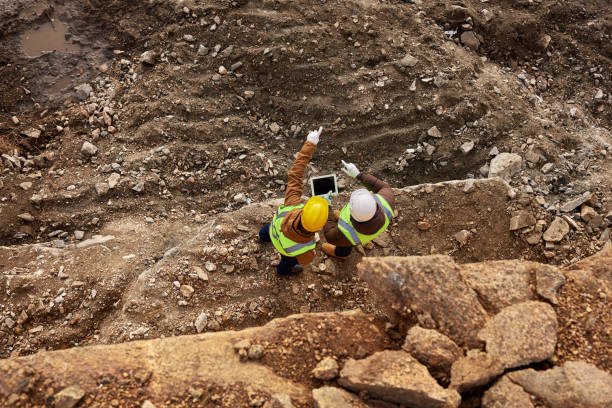
Understanding the Top 20 gold producing countries in Africa is essential for anyone tracking global mineral markets, as the continent remains a primary source of the world's precious metal supply. These nations collectively contribute a significant percentage of total global output, with several countries recently increasing their industrial mining capacity through massive foreign investment. By examining the current production data and geological potential of these states, it becomes clear that the African mining landscape is undergoing a period of rapid evolution and modernization.
The distribution of gold across the continent is largely concentrated in high-yield greenstone belts and ancient sedimentary basins that have been mined for centuries. This detailed breakdown explores the specific output levels, key mining projects, and economic factors that define each of the leading producers in the current market environment.
These are the Top 20 gold producing countries in Africa
Africa's mineral wealth is a cornerstone of its economic identity, and gold production stands at the forefront of this industrial sector. The following list ranks the nations according to their annual output in metric tonnes, highlighting both the established giants and the emerging players that are reshaping the continental mining map. These figures are based on the most recent data from the World Gold Council and various national geological surveys. From the deep mines of the south to the desert plains of the north, these countries represent the pinnacle of African mineral exploration and extraction.
1. Ghana
Ghana currently holds the title of the largest gold producer in Africa, with an annual output that frequently exceeds 120 metric tonnes. The country has a long and storied history of mining, evidenced by the world-famous Obuasi Mine which has been in operation for over a century. Ghana’s success is built upon the Birimian greenstone belts that stretch across the southern part of the country, attracting major international firms like Newmont and AngloGold Ashanti. The nation has successfully created a stable regulatory environment that balances industrial mining with a significant contribution from the small-scale and artisanal sectors. Examples of major operations include the Tarkwa and Ahafo mines, which utilize advanced open-pit and underground extraction methods. The Ghanaian government continues to promote downstream processing to ensure that more of the value remains within the national borders, solidifying its status as an industrial mining leader on the continent.
2. South Africa
South Africa was historically the world's leading gold producer for decades, but it currently occupies the second position in Africa with an output of approximately 110 metric tonnes per year. The country is home to the Witwatersrand Basin, which is the world's largest known gold resource and contains some of the deepest mines on the planet. Mponeng, for instance, reaches depths of over four kilometers beneath the surface, presenting unique engineering and thermal challenges for the workforce. While production has declined from its historical peaks due to rising costs and labor issues, the technical expertise found in South Africa remains world-class. Many of the world's leading mining technologies were developed here to handle the extreme pressures and temperatures of deep-level extraction. The sector remains a vital part of the national economy, providing thousands of jobs and supporting an extensive network of industrial suppliers and services.
3. Mali
Mali has emerged as a powerhouse in the West African gold sector, with annual production levels reaching around 70 metric tonnes. The country’s output is dominated by the Loulo-Gounkoto complex, managed by Barrick Gold, which stands as one of the most productive mining operations in the world. Mali’s geology is characterized by the Kedougou-Kenieba Inlier, a region rich in high-grade deposits that have attracted significant foreign direct investment. The government has worked to modernize its mining code to encourage further exploration while ensuring that local communities benefit from the extractive activities. Artisanal mining also plays a massive role in Mali, with hundreds of thousands of individuals involved in traditional extraction methods across the rural provinces. This combination of large-scale industrial efficiency and widespread artisanal participation makes Mali a central player in the global bullion market.
4. Burkina Faso
Burkina Faso has experienced one of the fastest growth rates in gold production in Africa over the last decade, with current output hovering around 60 metric tonnes annually. The nation features numerous Birimian greenstone belts similar to those in Ghana, but they have only recently begun to be exploited on a massive industrial scale. The Essakane Mine, operated by Iamgold, and the Hounde Mine are primary examples of the large-scale projects driving the national economy. Despite facing significant security challenges in certain regions, the mining sector remains resilient and continues to be the country's primary source of foreign exchange. The Burkinabe government has prioritized the formalization of the artisanal sector to reduce illegal smuggling and improve environmental standards at small-scale sites. The rapid expansion of mining infrastructure has transformed several rural districts into bustling economic hubs, showcasing the transformative power of mineral wealth.
5. Sudan
Sudan is a major producer in East Africa, with reported annual outputs that often exceed 50 metric tonnes, although a significant portion comes from the artisanal sector. The country possesses vast untapped potential in the Red Sea Hills and other northern regions, where gold has been mined since the time of the pharaohs. The Ariab Mining Company is the most prominent industrial player, but the national economy is largely supported by the millions of artisanal miners who operate across the country. In recent years, the Sudanese government has attempted to centralize gold purchases and refining to capture more revenue for the state treasury. However, internal conflicts and political instability have occasionally disrupted the formal supply chain, leading to fluctuations in official export figures. Despite these hurdles, Sudan remains a critical source of high-quality bullion and a focal point for future regional exploration efforts.
6. Guinea
Guinea is famously known for its bauxite, but it is also a significant gold producer with an annual output of about 55 metric tonnes. The Siguiri Mine, operated by AngloGold Ashanti, is the flagship project that has anchored the national gold industry for many years. The country’s geological landscape is incredibly diverse, with the northern and eastern regions showing great promise for new discoveries in the Birimian formations. The Guinean government has recently implemented reforms to attract more diversified investment into its mineral sector, moving beyond the traditional dominance of iron ore and bauxite. Artisanal mining is also a major contributor, with local communities deeply involved in alluvial extraction along the Niger River and its tributaries. Guinea’s potential to move higher up the rankings is substantial, given that many of its gold-bearing regions have yet to undergo modern, systematic exploration.
7. Tanzania
Tanzania produces approximately 45 metric tonnes of gold per year, with the sector being a major pillar of its national development strategy. The Geita Gold Mine and the North Mara Mine are the most significant industrial operations, utilizing both open-pit and underground techniques to extract high-grade ore. Tanzania has a unique regulatory environment where the state takes an active role in the mining industry through joint ventures with international companies. This approach aims to ensure that the national interests are protected while still providing a profitable environment for foreign investors. The country’s Lake Victoria Goldfields are world-renowned for their geological consistency and have been a target for exploration since the colonial era. Tanzanian gold is a major export earner, and the government has recently focused on building local refineries to add value to the raw mineral before it leaves the country.
8. Cote d'Ivoire
Cote d'Ivoire has seen a surge in gold production, with current levels reaching around 48 metric tonnes per year, a significant increase from previous decades. The country was historically focused on agriculture, particularly cocoa, but it has recently pivoted toward diversifying its economy through mineral extraction. The Tongon Mine and the Yaoure Gold Mine are leading examples of the successful industrial projects that have come online in recent years. The Ivorian government has been praised for its investor-friendly mining code and its efforts to provide a secure environment for international mining houses. Exploration activity is currently at an all-time high, with dozens of companies searching for the next major deposit in the country's under-explored greenstone belts. Cote d'Ivoire is quickly becoming a primary destination for mining capital in West Africa due to its stable infrastructure and professional administrative systems.
9. Zimbabwe
Zimbabwe produces around 30 metric tonnes of gold annually, with the sector serving as the lifeblood of its struggling economy. The country features a unique geological setting where the vast majority of its gold is found in small to medium-sized deposits across the Zimbabwe Craton. The Blanket Mine, operated by Caledonia Mining, is one of the most consistent industrial producers, currently undergoing a massive expansion to increase its depth and output. A significant portion of Zimbabwe’s gold is produced by small-scale and artisanal miners, who often contribute more than 60 percent of the total national delivery to the central bank. The government offers various incentives to miners to encourage them to sell their gold through formal channels, although currency fluctuations remain a challenge. Zimbabwe’s potential is widely considered to be much higher than its current output, provided that the investment climate continues to stabilize and modernize.
10. Democratic Republic of the Congo
The Democratic Republic of the Congo (DRC) is a mineral giant that produces about 35 metric tonnes of gold per year, led by the massive Kibali Gold Mine. Kibali is one of the largest and most technologically advanced mines in the world, featuring an automated underground haulage system and its own hydroelectric power stations. While the industrial sector is strong in the northeast, the country also has a massive and complex artisanal mining landscape in the eastern provinces. This artisanal sector is often plagued by issues of transparency and conflict, leading to international efforts to certify the origin of Congolese gold. The DRC government is working to formalize these smaller operations to ensure that they contribute to national development rather than instability. The country’s geological wealth is almost unparalleled, and many experts believe that with improved security and infrastructure, the DRC could eventually become the top producer on the continent.
11. Ethiopia
Ethiopia produces approximately 10 to 15 metric tonnes of gold annually, with the vast majority coming from the artisanal sector. The Lega Dembi Mine is the primary industrial operation, but the government has recently granted numerous exploration licenses to international companies looking to tap into the Arabian-Nubian Shield in the north and south. Ethiopia’s geology is highly promising, and the government has identified mining as a key sector for its ten-year development plan. The country has implemented a new mining policy aimed at attracting foreign technology and capital to move beyond traditional panning methods. Artisanal miners in Ethiopia are known for their traditional techniques that have remained largely unchanged for generations, but the state is now providing training and equipment to improve their efficiency. As more industrial projects reach the production phase, Ethiopia is expected to significantly increase its contribution to the continental total.
12. Egypt
Egypt has recently returned to the global gold mining scene, with the Sukari Gold Mine producing around 12 metric tonnes of bullion every year. Sukari, located in the Eastern Desert, is the first modern industrial gold mine in the country and has proved that the ancient Egyptian gold fields can still be highly profitable. The Egyptian government has recently overhauled its mining laws to make them more attractive to international investors, leading to a surge in bidding for new exploration blocks. Major global players have begun to explore the Egyptian section of the Arabian-Nubian Shield, which is geologically similar to the productive regions in Saudi Arabia and Sudan. The country’s strategic location and existing infrastructure, such as roads and ports along the Red Sea, provide a significant advantage for new mining developments. Egypt’s goal is to turn the mining sector into a major pillar of its economy, targeting a much higher percentage of GDP contribution over the next decade.
13. Senegal
Senegal produces about 15 metric tonnes of gold annually, with the Sabodala-Massawa Mine being the primary driver of the sector. The mine, operated by Endeavour Mining, is located in the eastern part of the country near the borders with Mali and Guinea, sitting on the same productive geological formations. Senegal has gained a reputation for having one of the most stable and transparent mining jurisdictions in West Africa, which has encouraged long-term investment. The government has focused on creating a "Mining Hub" in the Kedougou region, providing specialized services and training for the industry. While artisanal mining exists, it is better regulated in Senegal than in many of its neighbors, with a strong emphasis on environmental protection and land reclamation. Recent discoveries of new high-grade zones near existing operations suggest that Senegal’s production will continue to grow as it optimizes its processing capacity.
14. Mauritania
Mauritania is a significant producer in the Sahara region, with the Tasiast Gold Mine producing around 15 metric tonnes per year. Tasiast, operated by Kinross Gold, is a massive open-pit operation that has undergone several expansions to handle its low-grade but high-volume ore body. The mine is a major employer in the country and contributes significantly to the national budget through royalties and taxes. Mauritania’s geology is primarily dominated by ancient cratonic rocks that hold vast potential for gold, copper, and iron ore. The government has recently worked to improve the infrastructure in the remote northern regions to support the expansion of the mining industry. While the desert environment presents logistical challenges, the use of large-scale, mechanized mining techniques has proved to be highly effective. Mauritania continues to be a destination for companies looking for large, bulk-tonnage deposits that can be mined for decades.
15. Liberia
Liberia has recently entered the list of significant producers with the success of the New Liberty Gold Mine, which produces about 5 metric tonnes annually. This is the first industrial-scale gold mine in the country's history, marking a major milestone in its post-conflict economic recovery. The Liberian government has been working to map its mineral resources and attract reputable international firms to explore its under-developed greenstone belts. Exploration activity has increased significantly in the eastern provinces, where geological indicators are similar to the productive regions in neighboring Cote d'Ivoire. The artisanal sector is also active in Liberia, particularly in the alluvial fields along the major river systems. By providing a stable legal framework and improving the transparency of its licensing process, Liberia aims to turn gold mining into a primary driver of its industrial growth over the next few years.
16. Niger
Niger is better known for its uranium, but it also produces a consistent amount of gold, approximately 3 to 5 metric tonnes per year, mostly through the Samira Hill Mine and artisanal sites. The Samira Hill operation was the country's first industrial gold mine and has paved the way for more focused exploration in the Liptako region. Much of the gold in Niger is found in the "W" region where the borders of Niger, Burkina Faso, and Benin meet, an area known for its Birimian geology. The government has sought to encourage more investment in gold to reduce its reliance on uranium, which has faced price volatility on the global market. Artisanal mining is a significant source of income for thousands of families in the Tillaberi region, although the sector faces challenges related to security and environmental impact. Niger’s potential for new discoveries remains high, as much of its territory has not yet been explored using modern geophysical and geochemical techniques.
17. Nigeria
Nigeria is an emerging player in the gold sector, with current official production figures around 4 metric tonnes, although the actual output is thought to be much higher due to unregulated artisanal activity. The Nigerian government has recently identified gold as a strategic mineral and has launched the Presidential Artisanal Gold Mining Development Initiative (PAGMI) to formalize the sector. Deposits are primarily located in the western and central parts of the country, such as in Ilesha and Zamfara, where local communities have mined gold for generations. The country recently saw the commissioning of its first large-scale gold refinery, a major step toward capturing the full value of its mineral wealth. Nigeria is working to improve its geological data to attract international mining houses that have traditionally focused on its oil and gas sectors. By providing better security and a more transparent licensing system, Nigeria aims to become a major regional gold producer by the end of the decade.
18. Namibia
Namibia produces approximately 7 metric tonnes of gold per year, with the Otjikoto Mine, operated by B2Gold, being the primary producer. The mine is known for its high efficiency and its commitment to environmental sustainability, including the use of a massive solar power plant to reduce its carbon footprint. Namibia is a highly respected mining jurisdiction, with a long history of diamond and uranium production that has resulted in excellent infrastructure and a skilled workforce. The country’s geology is complex, and recent exploration has identified several new targets in the central and northern regions. The Navachab Gold Mine is another established producer that has been in operation for decades, showing the longevity of Namibian deposits. The government’s pro-mining policies and the high level of geological transparency make Namibia an attractive destination for companies looking for low-risk investment opportunities in Africa.
19. Botswana
Botswana is the world’s leading diamond producer by value, but it also maintains a small but stable gold sector with an annual output of about 2 to 3 metric tonnes. The Mupane Gold Mine is the primary industrial operation, located in the Tati Greenstone Belt near the border with Zimbabwe. Botswana’s mining sector is governed by some of the most transparent and efficient laws in the world, which has resulted in a high level of institutional trust from international investors. While gold is a secondary mineral for the country, the government has encouraged further exploration to diversify the national economy. The Tati belt has a history of mining dating back to the 19th century, and modern techniques are now being used to find deeper or lower-grade extensions of known deposits. Botswana’s excellent infrastructure and stable political environment provide a perfect base for specialized mining companies to operate successfully.
20. Zambia
Zambia rounds out the top twenty, primarily producing gold as a byproduct of its massive copper mining operations. The Kansanshi Mine, operated by First Quantum Minerals, is the largest contributor to the national gold total, with an output of about 4 metric tonnes per year. Zambia’s copper belt contains significant gold mineralization, and modern processing techniques allow for the efficient recovery of the precious metal during the smelting process. There are also several small-scale and artisanal gold mines in the eastern and central provinces that are currently being formalized by the government. Zambia is working to improve its mineral tax regime to encourage more exploration specifically targeted at gold and other precious metals. The country’s long experience in large-scale industrial mining provides a solid foundation for the growth of a dedicated gold sector in the coming years.
Strategic Gold Mining Investments and African Economic Stability
The Top 20 gold producing countries in Africa are increasingly becoming the focal point for global mining investors who are looking for high-grade assets in stable jurisdictions. The shift toward modernizing mining codes across West and East Africa has created a more transparent environment, reducing the risks associated with large-scale capital investments. Governments are now realizing that to maximize the benefits of their mineral wealth in Africa, they must move beyond simple extraction and invest in local refining and processing facilities. This industrialization of the mining sector is a key driver of job creation and technological transfer, helping to build a more resilient and diversified continental economy. Furthermore, the rise of environmental, social, and governance (ESG) standards has forced mining companies to invest more in local community development and sustainable practices.
Statistical data from the African Development Bank suggests that the mining sector can contribute up to 10 percent of the GDP in many of these top-producing nations. This revenue is essential for funding infrastructure projects such as roads, railways, and power grids that benefit all sectors of society. In countries like Ghana and Cote d'Ivoire, the presence of major mining operations has led to the development of secondary industries, including logistics, engineering services, and chemical manufacturing. The use of digital technologies, such as satellite imagery and artificial intelligence, is also revolutionizing the exploration phase, allowing companies to find new deposits with much higher precision. These technological advancements are lowering the cost of discovery and making it feasible to mine in more remote or challenging environments.
The artisanal and small-scale mining (ASM) sector remains a critical component of the African gold story, providing a livelihood for millions of people. While the sector has faced challenges related to environmental degradation and illegal trade, many governments are now implementing formalization programs. By providing artisanal miners with access to better technology, mercury-free processing, and formal markets, these programs help to improve safety and increase the official gold delivery to national treasuries. This integration of the ASM sector into the formal economy is vital for reducing poverty and ensuring that the benefits of gold mining are widely distributed. Successful models in countries like Tanzania and Ethiopia show that when the state supports artisanal miners, the entire national gold output increases significantly.
| Country | Estimated Annual Output (Metric Tonnes) | Primary Mining Region |
|---|---|---|
| Ghana | 127 | Birimian Greenstone Belts |
| South Africa | 110 | Witwatersrand Basin |
| Mali | 71 | Kedougou-Kenieba Inlier |
| Burkina Faso | 63 | Birimian Greenstone Belts |
| Sudan | 55 | Red Sea Hills / Northern Sudan |
Looking ahead, the future of the African gold sector is bright, with several major projects currently in the feasibility and construction phases. As the global demand for gold remains high as a hedge against inflation and economic uncertainty, African producers are well-positioned to benefit. The continent's vast under-explored regions offer a significant opportunity for the next generation of "mega-discoveries" that could rival the historical yields of the Witwatersrand. The continued investment in regional infrastructure, such as the expansion of the West African power pool, will also lower the operational costs for mines in remote areas. Africa’s journey to becoming the world's primary gold-producing region is well underway, supported by a mix of geological excellence and progressive industrial policies.
Finally, the role of international cooperation in monitoring and certifying the gold supply chain is essential for the continent's reputation. Initiatives such as the Kimberly Process for diamonds have provided a roadmap for ensuring that minerals are sourced responsibly and without fueling conflict. African gold producers are increasingly adopting these standards to ensure that their bullion can be traded on the world’s major exchanges without restriction. This commitment to transparency and ethical mining is what will ultimately sustain the long-term growth of the industry. As the Top 20 gold producing countries in Africa continue to refine their regulatory and industrial practices, they will remain the most exciting and productive frontier in the global mining world.
Conclusion
The Top 20 gold producing countries in Africa represent a diverse and dynamic group of nations that are fundamental to the global precious metals industry. From the established giants like Ghana and South Africa to emerging producers like Cote d'Ivoire and Nigeria, these countries utilize their geological assets to drive national development and industrialization. As the continent continues to modernize its mining sector and embrace global ESG standards, the economic impact of gold production will only grow. The blend of large-scale mechanized operations and a supported artisanal sector ensures that the benefits of gold wealth are spread across various levels of society. Ultimately, Africa’s gold fields remain one of the most significant and promising resources for the future of the global economy.
Enjoyed this read?
Share it with your friends and colleagues.