Top 5 African militaries 2026

BSC Insights Admin
October 01, 2026
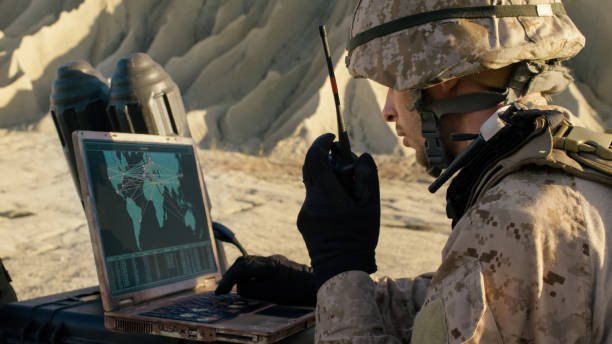
Identifying the Top 5 African militaries 2026 requires a sophisticated analysis of national defense budgets, technological modernization, and the operational readiness of personnel in an increasingly complex geopolitical environment. These elite forces have transitioned from traditional infantry based models toward high tech warfare systems, incorporating advanced drone technology and satellite surveillance to secure their vast borders. By focusing on these five nations, we can see how strategic investments in human capital and hardware are reshaping the security landscape of the entire continent.
The following assessment examines the specific capabilities that have allowed these countries to distance themselves from their regional peers in terms of raw power and logistical reach. These rankings reflect the ongoing commitment to defense self sufficiency and the protection of critical national infrastructure during a period of rapid industrial growth.
These are the Top 5 African militaries 2026
The criteria used to determine the most powerful defense forces in Africa for the 2026 fiscal year include total available manpower, the quality of air and naval assets, and the domestic capability to maintain complex weapon systems. While raw numbers of personnel remain important, the integration of fourth generation fighter jets and sophisticated missile defense batteries has become the primary differentiator for elite forces. These nations have also prioritized cyber defense and electronic warfare to counter modern unconventional threats across the Sahara and the Atlantic coastline. Here is a comprehensive look at the five nations that currently possess the most formidable military architectures on the continent.
1. Egypt
Egypt remains the undisputed leader in military power on the African continent, maintaining a massive standing army of over 450,000 active duty personnel and an even larger reserve force. The Egyptian Armed Forces have benefited from decades of international military assistance and a robust domestic **military industrial complex** that produces everything from small arms to heavy armored vehicles. Their air superiority is anchored by a diverse fleet of over 1,000 aircraft, including advanced French Rafale jets, American F-16 Fighting Falcons, and Russian MiG-29M variants. On the sea, the Egyptian Navy is the only force on the continent to operate helicopter carriers, utilizing the Mistral class vessels to project power deep into the Mediterranean and Red Sea. The country has recently completed the "Octagon," a massive new defense headquarters that centralizes command and control for all branches of the military in the New Administrative Capital. This combination of sheer numerical volume and cutting edge technological assets ensures that Egypt remains a central pillar of stability for both Africa and the Middle East. The following table provides a snapshot of their primary hardware holdings as of 2026.
| Branch | Key Equipment Category | Estimated Total Units |
|---|---|---|
| Air Force | Combat Aircraft (Fighters/Attack) | 1,069 |
| Land Forces | Main Battle Tanks (M1A1, T-90) | 4,347 |
| Navy | Total Assets (Frigates, Subs, Carriers) | 245 |
| Logistics | Armored Fighting Vehicles | 11,000+ |
2. Algeria
Algeria holds the second position due to its massive defense spending, which has consistently remained the highest in Africa, often exceeding 18 billion dollars annually to maintain a state of high deterrence. The People's National Army focuses heavily on sophisticated Russian hardware, operating a vast fleet of Su-30 fighter jets and the highly capable S-400 surface to air missile systems for air defense. Unlike many of its neighbors, Algeria possesses a significant submarine fleet with Kilo class vessels equipped with Kalibr cruise missiles, providing a formidable maritime deterrent. Their land forces are equipped with nearly 2,000 modern tanks, primarily the T-90SA, which are specifically modified for high performance in harsh desert environments. The Algerian military doctrine emphasizes national sovereignty and the protection of its expansive desert borders against regional instability and unconventional threats. In 2026, the nation has significantly expanded its indigenous drone production and satellite monitoring capabilities to ensure total situational awareness across the Maghreb. This focus on heavy conventional power and advanced defense technology makes Algeria a primary force in North African geopolitics.
- Air Superiority: Su-30MKA and Su-34 strike fighters provide long range engagement capabilities.
- Land Power: Extensive use of T-90SA tanks and TOS-1A thermobaric rocket systems.
- Maritime Deterrence: Kilo class submarines capable of land attack and anti ship missions.
- Air Defense: S-400 and Pantsir-S1 systems creating a multi layered protective bubble.
- Special Forces: Highly trained 104th Operational Maneuver Regiment for counter terrorism.
3. South Africa
South Africa possesses one of the most technologically advanced militaries in the world, despite having a smaller active personnel count compared to the northern giants. The South African National Defence Force is supported by a world class domestic arms industry, led by companies like Denel that produce the Rooivalk attack helicopter and the G6 Rhino self propelled howitzer. While budget constraints have been a historical challenge, the technical proficiency of their specialized units and their advanced electronic warfare capabilities keep them at the forefront of the continent. Their air force operates the Saab Gripen, a highly capable multi role fighter that provides significant regional air cover and precision strike capability. South Africa is also a leader in maritime security, frequently conducting joint exercises with global powers to protect the strategic Cape sea routes and combat piracy. By 2026, the military has shifted its focus toward advanced technological growth in coastal surveillance, modular armored vehicle production, and cyber security infrastructure. Their role as a primary peacekeeping force in Southern and Central Africa further highlights their logistical capability and professional standards.
4. Nigeria
Nigeria has rapidly moved up the rankings due to its extensive combat experience in anti insurgency operations and a major push for hardware modernization to secure its oil rich territories. The Nigerian Armed Forces have recently acquired JF-17 Thunder multi role fighters and A-29 Super Tucano aircraft from the United States to bolster their air to ground strike capabilities against extremist groups. Nigeria's ground forces are the most battle hardened in West Africa, with significant experience in both domestic operations and regional peacekeeping missions through ECOWAS. The Nigerian Navy has also seen a revitalization, adding several offshore patrol vessels and locally built seaward defense boats to combat piracy in the Gulf of Guinea. Domestic manufacturing is becoming a major priority, with the production of the Proforce Eland armored personnel carriers providing a boost to local industry and reducing reliance on imports. By 2026, Nigeria’s military is increasingly focused on intelligence led warfare and the integration of tactical drones for jungle and forest surveillance. This combination of real world combat experience and new technology makes them a dominant force in sub Saharan Africa.
5. Ethiopia
Ethiopia maintains a massive and highly disciplined infantry base, which has historically been one of the most effective fighting forces in East Africa and the Horn of Africa. The Ethiopian National Defense Force has successfully pivoted toward modern warfare by incorporating a significant number of unmanned aerial vehicles from various international suppliers. Their armored divisions are vast, featuring hundreds of modernized T-72 tanks that are well suited for the varied and often rugged terrain of the highlands. Ethiopia's air force is built around a core of Su-27 and MiG-23 aircraft, providing a capable shield for critical national infrastructure like the Grand Ethiopian Renaissance Dam. The military also plays a critical role in African Union peacekeeping missions, particularly in neighboring Somalia, where they have maintained a long term presence. In 2026, Ethiopia continues to emphasize professionalization and the development of a domestic defense industry to reduce the cost of maintaining its large force. Their sheer manpower and recent technological pivots toward drone warfare keep them firmly among the top five forces on the continent.
Technological Advancements and Defense Spending in the African Continent
The rise of the Top 5 African militaries 2026 is not an accidental occurrence but the result of a massive shift in how African nations perceive their security requirements. In the past decade, there has been an annual growth rate of over 7 percent in total defense spending across these five nations as they seek to modernize their aging Cold War era equipment. This surge is driven by the need to protect burgeoning energy sectors and to respond to the threat of maritime piracy which costs the regional economy billions of dollars each year. We are now seeing a trend where countries are no longer just buying weapons from the West or the East but are establishing their own manufacturing plants to produce armored vehicles, drones, and ammunition. This move toward industrial autonomy is essential for sustaining long term military operations without being vulnerable to international arms embargoes or supply chain disruptions.
One of the most significant technological shifts in 2026 is the widespread adoption of Unmanned Aerial Systems (UAS) for both reconnaissance and combat roles. Drones have proved to be cost effective tools for monitoring vast and sparsely populated areas like the Sahel and the Sahara Desert, allowing these top militaries to respond to threats with greater speed and precision. For instance, the use of tactical drones has allowed the Nigerian and Ethiopian armies to track insurgent movements in real time, significantly reducing the risk to ground troops. Furthermore, the integration of satellite intelligence has allowed these nations to move beyond localized skirmishes to a more strategic form of border management. This digital transformation of the battlefield requires a new class of soldier who is as skilled in computer science as they are in traditional marksmanship. As these technologies become more accessible, the gap between the top five and the rest of the continent is expected to widen, creating a more defined security hierarchy.
Another critical factor is the role of international military partnerships and joint training exercises which have improved the interoperability of African forces with global standards. Nations like Egypt and Morocco frequently host large scale exercises such as "Bright Star" and "African Lion," involving thousands of troops from the United States, Europe, and other African partners. These events provide a platform for the transfer of technical knowledge and the testing of new tactical doctrines in diverse environments. Statistical data from recent missions shows that the top five militaries have a significantly higher success rate in multinational peacekeeping operations due to this exposure to international best practices. The professionalization of the officer corps in these countries is now a major focus, with many commanders receiving education at the world's most prestigious military academies. This human element is the glue that holds together the expensive hardware and ensures that it is used effectively in high pressure situations.
The maritime domain has also become a primary theater for military expansion, particularly for the coastal giants like South Africa, Nigeria, and Egypt. With the discovery of massive offshore gas reserves and the increasing volume of trade through the Gulf of Guinea and the Red Sea, the need for a blue water navy has never been greater. These nations are investing in modern frigates, corvettes, and offshore patrol vessels equipped with advanced radar and sonar systems to protect their exclusive economic zones. The development of naval infrastructure, including modern ports and repair facilities, is also creating thousands of jobs and driving technological innovation in the civilian sector. In 2026, the ability of a nation to project naval power is seen as a key indicator of its economic strength and its ability to influence regional trade policies. This maritime focus is a clear departure from the land centric military strategies of the 20th century, reflecting the new realities of the global blue economy.
Finally, the issue of cyber security has moved to the center of national defense strategies for these top five nations. As their economies become more digitized and their military hardware more interconnected, the vulnerability to cyber attacks from state and non state actors has increased. Governments in Cairo, Pretoria, and Abuja have established dedicated cyber commands to protect their financial systems, energy grids, and military communications from digital sabotage. This "fifth domain" of warfare is now a permanent part of the defense budget, with significant investments being made in encryption, network monitoring, and offensive cyber capabilities. The race to achieve cyber sovereignty is a vital component of the modern Professional African Defense Forces narrative, ensuring that the nation's digital assets are as well protected as its physical borders. The winner of this digital arms race will likely hold the most influence over the continent's future stability and economic growth.
Conclusion
The Top 5 African militaries 2026 represent a continent that is rapidly modernizing its defense capabilities to meet the challenges of a new era. From the massive conventional power of Egypt and Algeria to the high tech innovation of South Africa, these forces are the primary guardians of regional peace and economic progress. As drone warfare, naval expansion, and cyber defense become the new standards, these five nations continue to lead the way in showing the world the true strength and resilience of Africa. Their continued development is not just about national pride but about ensuring a stable environment where all African citizens can thrive in safety and prosperity. The evolution of these militaries is a powerful testament to the rising influence of Africa on the global stage.
Enjoyed this read?
Share it with your friends and colleagues.