Did Twerking Originate In Africa

BSC Insights Admin
September 30, 2026
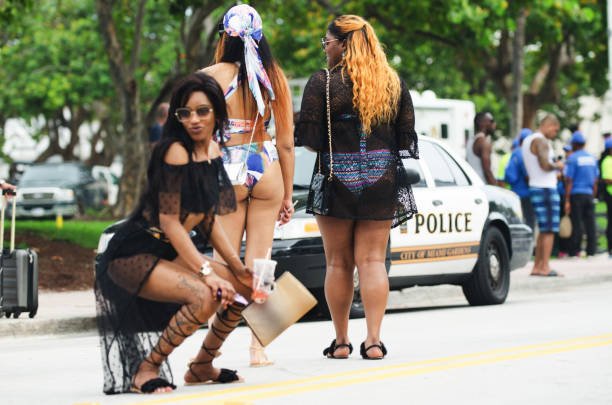
Did twerking originate in Africa? While the term 'twerking' itself gained mainstream popularity in the 21st century, the fundamental dance movements involving rhythmic hip and buttock undulations are deeply rooted in centuries-old African traditional dance forms. Indeed, various styles of energetic, pelvis-driven dances have been an integral part of African cultures for generations, serving diverse social, spiritual, and celebratory functions long before the dance acquired its modern name and global recognition.
Understanding the origins of twerking requires a journey through history, examining ancient practices, their transatlantic migration, and their evolution in contemporary culture. This exploration reveals a complex tapestry of movement, identity, and cultural exchange, highlighting Africa's profound influence on global dance.
What is Twerking? A Modern Definition
To properly discuss its origins, it's important to define what 'twerking' means today. In its modern context, twerking is a type of dance that involves a person moving their hips up and down, thrusting their buttocks, and shaking them, often in a squatting or low stance. It is typically associated with hip-hop and popular music culture, often viewed as provocative or sexualized, and widely performed in clubs, music videos, and social media.
The term itself is believed to have emerged from the New Orleans bounce music scene in the late 1980s or early 1990s, possibly a portmanteau of "twist" and "jerk" or a derivation of "work it." However, the physical act predates this terminology by centuries, making the distinction between the dance's name and its core movements crucial for tracing its historical roots.
The Ancient Roots: Twerking's African Ancestry
The core movements of twerking – the isolation and vigorous movement of the hips and buttocks – are not new. They are deeply embedded in African dance traditions that span thousands of years and cover a vast continent with diverse cultures. These dances are far more than mere entertainment; they are often integral to religious ceremonies, rites of passage, fertility rituals, celebrations of harvest, and expressions of community solidarity.
Mapouka: The Dance of the Posterior from Côte d'Ivoire
Perhaps one of the most direct ancestors of twerking can be found in the Mapouka dance from the Djole region of Côte d'Ivoire (Ivory Coast). Known as the "dance of the posterior," Mapouka explicitly features rhythmic, often intense, shaking and jiggling of the buttocks. Traditionally, Mapouka was performed during festivals and ceremonies by women as a display of femininity, fertility, and strength. It was a respected and integral part of their cultural heritage.
While the traditional Mapouka had specific cultural contexts, its movements were so vigorous and captivating that it garnered significant attention, even being deemed too provocative for mainstream television in Côte d'Ivoire at one point due to its modern interpretation. This shows a parallel to the contemporary debates surrounding twerking's perception.
Sabar and Other West African Rhythms
Beyond Mapouka, many other African traditional dances from West and Central Africa feature prominent hip and pelvis movements. The Sabar dance of Senegal, for example, is characterized by dynamic, energetic movements, including powerful hip isolations and vibrations that are central to its expressive power. Sabar is often performed during celebrations, weddings, and naming ceremonies, requiring significant skill and stamina.
Other examples of hip-centric dances can be found across the continent:
- Bikutsi from Cameroon, a dance often accompanied by electric guitar music, known for its rapid, energetic hip movements.
- Mutuashi from the Democratic Republic of Congo, a vibrant dance where the rhythmic shaking of the hips and pelvic region is a primary feature.
- Various dances of the Zulu people in Southern Africa, which incorporate powerful and grounded hip movements, often in communal settings.
- Dances from the Yoruba people of Nigeria, which utilize intricate torso and hip isolations in their ceremonial and social performances.
These diverse African dance forms share a common thread: they celebrate the human body, connect individuals to their communities and spiritual beliefs, and use hip and buttock movements as powerful forms of expression, entirely separate from the modern connotations of twerking.
From Africa to the Diaspora: The Transatlantic Journey
The forced migration of enslaved Africans to the Americas created the African diaspora, a pivotal moment in the history of dance. Despite unimaginable hardships, enslaved people brought their cultural practices, including their dance forms, with them. These traditions did not merely survive; they adapted, blended, and evolved in new environments, laying the foundation for many contemporary dance styles throughout the Caribbean and the Americas.
In the Caribbean, for instance, dances such as Calypso, Soca, and Dancehall vigorously feature hip isolations, wining, and rhythmic pelvic thrusts. These styles directly descend from African ancestral dances, retaining the emphasis on grounded, polyrhythmic body movements. Similarly, in Brazil, dances like the Samba incorporate fluid and powerful hip work, also reflecting clear African influences.
The cultural retention of these movements in the diaspora proves the resilience and enduring impact of African aesthetics in dance. These dances often served as forms of resistance, community building, and cultural preservation in the face of oppression, maintaining their profound meaning even as they transformed.
The Rise of Bounce Music and Modern Twerking
The direct lineage to modern twerking as we know it today can be most clearly traced to the distinctive music and dance culture of New Orleans bounce music. Emerging in the late 1980s and early 1990s, bounce music is characterized by its energetic, call-and-response style, distinct drum patterns, and explicit lyrics. It became a grassroots phenomenon in the city, providing a soundtrack for local parties and clubs.
It was within this vibrant bounce scene that the term 'twerking' gained prominence. Dancers, predominantly women, engaged in vigorous, hip-centric movements that perfectly matched the fast-paced, percussive beats of bounce. Artists like DJ Jubilee, Mannie Fresh, and subsequently Big Freedia, helped popularize both the music and the associated dance style. For many in New Orleans, twerking became an expression of joy, liberation, and cultural pride deeply rooted in the city's unique African American heritage.
The popularity of bounce music and its accompanying dances, including twerking, spread from New Orleans to other Southern U.S. cities, influencing hip-hop and R&B. It was a localized cultural phenomenon that was slowly building momentum for broader recognition.
Twerking in Popular Culture and Global Phenomenon
While twerking had been present in certain musical subcultures for decades, its explosion into global mainstream consciousness occurred in the early 2010s. This was largely propelled by its adoption by popular artists, most notably Miley Cyrus's controversial performance at the 2013 MTV Video Music Awards.
This single event sparked a global conversation, instantly catapulting the term and the dance into headlines, social media trends, and widespread public debate. Suddenly, everyone knew what twerking was, even if they hadn't encountered it before. This moment exemplified both the power of popular culture to disseminate movements and the common pitfall of cultural appropriation.
Since then, twerking has become a ubiquitous part of music videos, social media challenges, and global club culture. It has been adopted by people of all backgrounds, sometimes with an understanding of its history, but often divorced from its origins and cultural significance. This widespread adoption underscores its appeal as a form of self-expression and energetic dance, but also highlights the ongoing discussion around who gets to perform and define such movements.
Cultural Significance and Misconceptions
The journey of twerking from ancient African rituals to global pop culture has inevitably led to shifts in its meaning and widespread misconceptions. Originally, the hip and buttock movements in African traditional dances were expressions of:
- Fertility and Life: Celebrating the power of creation and the female body.
- Spiritual Connection: Engaging with deities or ancestors through rhythmic movement.
- Community Bonding: Strengthening social ties and collective identity.
- Celebration: Marking important life events, harvests, or victories.
- Groundedness: Connecting with the earth and expressing strength.
In contrast, modern twerking is frequently viewed solely through a lens of sexuality and provocation, often stripped of deeper cultural context. This narrow interpretation overlooks the rich and varied history of these movements, contributing to a flattening of their meaning.
The debate around cultural appropriation versus appreciation is particularly relevant here. When movements like twerking are taken out of their original context, commercialized, and performed by individuals who may not understand or acknowledge their roots, it raises questions about respect, recognition, and the perpetuation of stereotypes. However, it also illustrates the dynamic nature of culture, where movements continuously evolve, transform, and influence new generations globally.
Conclusion
In conclusion, the answer to did twerking originate in Africa is a resounding yes, in spirit and fundamental movement. While the specific term and its contemporary pop culture manifestation emerged from the American bounce music scene, the core hip-centric movements that define twerking are deeply embedded in centuries of diverse African traditional dance forms. From the Mapouka of Côte d'Ivoire to the Sabar of Senegal, and across the African diaspora, these energetic, pelvis-driven dances have always served as powerful expressions of culture, spirituality, and identity.
Modern twerking stands as a testament to the enduring legacy of African creativity and the transatlantic journey of its cultural expressions. Recognizing its African roots is crucial not only for a more accurate understanding of its history but also for appreciating the profound and continuous influence of African cultures on the global stage, reminding us that every dance has a story, often stretching back further than we might initially perceive.
Enjoyed this read?
Share it with your friends and colleagues.