Is Uranium Found In Africa

BSC Insights Admin
October 01, 2026
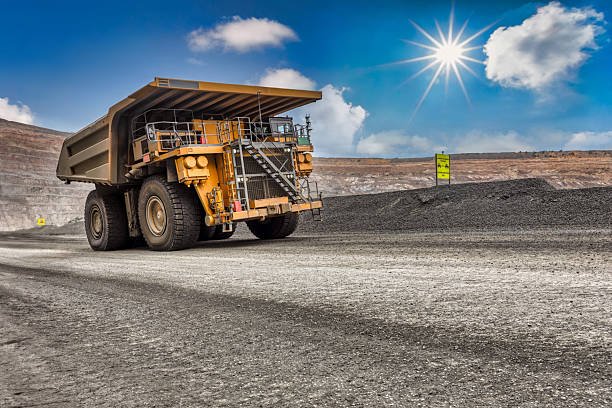
Yes, uranium is indeed found in Africa, and the continent holds some of the world's most significant and economically viable uranium reserves. Africa plays a crucial role in the global supply of uranium, a vital fuel for nuclear power generation worldwide. Countries across the continent are known for their substantial deposits, contributing significantly to the world's energy needs and shaping international energy markets.
Africa's Rich Uranium Endowment: A Global Perspective
Africa is geologically rich, possessing diverse mineral resources, and **uranium** is no exception. The continent is home to a substantial portion of the world's recoverable uranium resources, making it a critical region for nuclear energy security. These resources are distributed across various geological settings, from sandstone-hosted deposits to those associated with igneous rocks and calcretes.
For decades, **African uranium deposits** have been explored and mined, supplying countries across the globe with this strategic metal. The presence of **uranium in Africa** is not uniform; certain regions and countries boast much larger and more commercially attractive deposits than others, driving significant **uranium mining Africa** operations.
Key Uranium-Producing Countries in Africa
Several African nations stand out as major players in the **global uranium market**, either through current large-scale production or significant untapped reserves. These countries' contributions are vital for the nuclear power industry.
Namibia: A Uranium Mining Powerhouse
Namibia is consistently one of the world's top uranium producers. Its arid climate and stable political environment have fostered a robust **uranium mining** industry. The country's uranium deposits are primarily granite-hosted, making for large, low-grade, open-pit operations.
- Rössing Uranium Mine: One of the world's longest-running and largest open-pit uranium mines, Rössing has been operational since 1976. It has contributed massively to Namibia's economy and global uranium supply.
- Husab Mine: Located near Rössing, Husab is one of the newest and largest uranium mines globally. It represents a significant investment and further solidifies Namibia's position as a dominant **uranium producer**.
The **Namibia uranium** sector is a cornerstone of the nation's economy, providing employment and significant export revenues. **Uranium exploration in Namibia** continues, with potential for discovering even more resources.
Niger: Historical Significance and Ongoing Production
Niger is another powerhouse in **African uranium production**, historically ranking among the top global suppliers. Its deposits are primarily sandstone-hosted and are found in the northern part of the country.
- Arlit and Akouta Mines: These two long-standing mines have been the bedrock of **Niger's uranium** industry for decades, operated by French-led consortia. They have faced various challenges, including fluctuating uranium prices and geopolitical complexities, but remain significant producers.
Despite challenges, **Niger uranium** continues to be crucial for global nuclear energy, highlighting the resilience of its mining operations. The country's economy is heavily reliant on **uranium exports**.
South Africa: A Historical Contributor with Byproduct Uranium
While not a primary uranium miner in the same vein as Namibia or Niger, South Africa has historically produced substantial amounts of uranium as a byproduct of its vast gold and copper mining operations. The Witwatersrand Basin, famous for its gold, also contains significant uranium concentrations.
- Byproduct Production: Much of South Africa's **uranium production** came from reprocessing tailings from gold mines. This method allowed for economic extraction without dedicated uranium mines.
- Future Potential: With rising uranium prices, there's renewed interest in exploiting South Africa's vast uranium resources, both primary and as a byproduct, showcasing the potential for **South Africa uranium** to re-emerge significantly.
Other Countries with Significant Uranium Resources
Beyond these three major players, several other African nations hold notable **uranium reserves** or have been involved in past production and exploration:
- Malawi: The Kayelekera mine commenced production but has faced operational challenges due to market conditions.
- Zambia: Known for its copper, Zambia also has identified uranium deposits, with exploration ongoing in various regions.
- Central African Republic (CAR): Holds significant undeveloped uranium deposits, particularly the Bakouma project.
- Tanzania: Possesses promising uranium prospects, with exploration activities indicating potential for future development.
- Mauritania: Has identified uranium deposits, with exploration work showing potential.
- Gabon: Historically a producer, Gabon had significant mines like Mounana, which ceased operations decades ago but still has residual resources.
These countries represent the broader picture of **uranium resources in Africa**, demonstrating the continent's diverse geological wealth and potential for future **uranium supply**.
The Process of Uranium Mining in Africa
**Uranium mining in Africa** employs various methods, depending on the geological characteristics of the deposits. The primary methods include:
- Open-Pit Mining: Used for large, shallow, low-grade deposits, common in Namibia. This involves removing overburden to access the ore body directly.
- Underground Mining: Suitable for deeper, higher-grade deposits, traditionally used in parts of Niger. This involves shafts and tunnels to extract the ore.
- In-Situ Recovery (ISR): A less invasive method where a solution is pumped into the ore body to dissolve uranium, which is then pumped back to the surface. This method minimizes surface disturbance but requires specific hydrogeological conditions.
Regardless of the method, **uranium mining** involves stringent safety protocols due to the radioactive nature of the ore. Environmental management is also critical, focusing on waste rock and tailings management, water usage, and rehabilitation of mined sites to mitigate the **environmental impact of uranium mining**.
Economic and Geopolitical Impact of African Uranium
The **abundance of uranium in Africa** has profound economic and geopolitical implications, both for the continent and for global energy security.
Contribution to Global Energy Supply
Africa's role as a major source of **uranium ore** is indispensable to the **global nuclear energy industry**. Without African uranium, many nuclear power plants around the world would struggle to secure fuel, highlighting the continent's strategic importance in the global energy mix. This consistent supply helps stabilize **uranium prices** and ensures reliable operation of nuclear reactors.
Economic Development and Challenges
For producing nations, **uranium mining** can be a significant driver of economic development. It brings:
- Revenue: Through royalties, taxes, and export earnings, contributing to national budgets.
- Employment: Direct jobs in mines and indirect jobs in support services, boosting local economies.
- Infrastructure Development: Mines often necessitate the construction of roads, power grids, and water systems, which can benefit surrounding communities.
However, the sector also faces challenges such as:
- Price Volatility: Uranium prices can be highly cyclical, impacting investment and revenue predictability.
- Resource Nationalism: Governments seeking greater control and share of profits can lead to policy changes that affect foreign investment.
- Environmental and Social Concerns: Managing the environmental footprint and ensuring fair benefits for local communities are ongoing challenges.
Nuclear Energy Development in Africa
While most **African uranium** is exported, there's a growing discussion about developing domestic nuclear power programs in countries like South Africa (which has an operational nuclear plant), Egypt, and Ghana. Utilizing their own **uranium resources** for domestic energy production could provide stable, carbon-free electricity, reducing reliance on fossil fuels and enhancing energy security. This represents a potential shift towards **African nuclear energy** self-sufficiency in the long term.
Future Outlook for Uranium in Africa
The future of **uranium mining in Africa** appears promising, driven by several factors:
- Growing Global Demand: Nuclear power is increasingly seen as a crucial component in the transition to cleaner energy, leading to projected increases in **uranium demand**.
- New Projects and Exploration: Rising prices stimulate new exploration efforts and the reactivation of previously uneconomical projects across the continent.
- Technological Advancements: Improvements in mining and processing technologies can make lower-grade deposits economically viable and improve environmental performance.
Ensuring sustainable and responsible mining practices will be key to unlocking Africa's full **uranium potential**. This includes adherence to international environmental standards, fair labor practices, and transparent governance to ensure the benefits are shared equitably.
Conclusion
In conclusion, the answer to **Is Uranium Found In Africa** is an unequivocal yes, with the continent playing an indispensable role in the global uranium supply chain. Africa's vast **uranium reserves**, primarily concentrated in countries like Namibia, Niger, and historically South Africa, are critical for fueling nuclear power plants worldwide. The ongoing **uranium exploration Africa** and development in new regions underscore the continent's continued significance. As the world transitions towards cleaner energy sources, **African uranium** will undoubtedly remain a vital resource, driving economic development within its borders while supporting global energy security and climate goals.
Enjoyed this read?
Share it with your friends and colleagues.