Which Country Did US Colonize In Africa

BSC Insights Admin
September 30, 2026
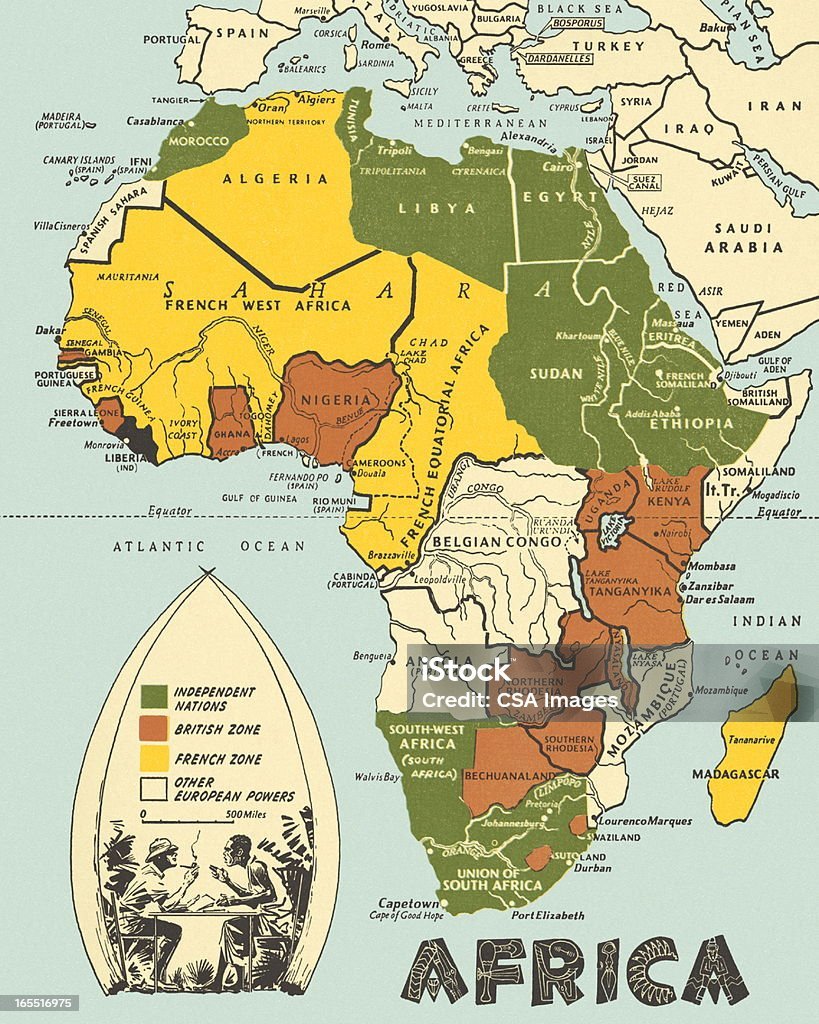
The historical inquiry regarding which country did US colonize in Africa leads directly to the founding and development of Liberia, a nation uniquely tied to the United States through the nineteenth-century American Colonization Society. Unlike European powers that sought direct imperial control through government edicts, the American presence in Africa began as a private venture supported by prominent politicians and humanitarian organizations to establish a home for free black people. This relationship resulted in a territory that functioned as an informal colony for several decades before the settlers eventually declared their sovereign independence in 1847.
The ties between these two nations remained exceptionally close throughout the twentieth century, influencing the political and economic landscape of the West African region. Exploring this history requires a deep look into the different settlements and organizational efforts that defined the American footprint on the continent.
These are the Countries and Settlements regarding Which Country Did US Colonize In Africa
While the United States government never officially listed any African territory as a formal possession in the same manner as the Philippines or Puerto Rico, the actions of American citizens and state-level societies created a colonial reality on the ground. These efforts were primarily concentrated on the western coast, where various state colonization societies founded distinct settlements that would eventually merge into the modern Republic of Liberia. By analyzing these specific points, we can understand the layered history of how the American model of settlement was exported to the African landscape and the impact it had on both the settlers and the indigenous populations they encountered.
1. The American Colonization Society and the Cape Mesurado Settlement
The primary entity responsible for American influence in the region was the American Colonization Society, which was founded in 1816 by a group of prominent Americans including Henry Clay and Bushrod Washington. This organization secured land on Cape Mesurado in 1821 through a controversial treaty with local ethnic leaders, leading to the establishment of the first permanent American-led settlement. The settlers who arrived on ships like the Elizabeth were mostly free-born black people and formerly enslaved individuals who sought a new life away from the systemic racism of the United States. Governance during these early years was held by white agents appointed by the society, making the territory function effectively as a private colony. This settlement grew into the city of Monrovia, which was named in honor of the sitting American President, James Monroe. The society provided the logistical support, legal frameworks, and initial funding that allowed the colony to survive against the challenges of tropical diseases and conflict with local tribes who resisted the expansion of the newcomers.
2. Maryland in Africa at Cape Palmas
In addition to the main settlement governed by the national society, the Maryland State Colonization Society established its own separate colony known as Maryland in Africa in 1834. This territory was located at Cape Palmas and operated independently from the settlements in Monrovia, possessing its own laws and administration. The leaders in Maryland believed that a state-specific approach would be more efficient in relocating black residents who wished to move to the African coast. For over twenty years, this area functioned as a distinct sovereign entity under American cultural and political influence, eventually declaring its own independence in 1854. However, due to security concerns and the need for better regional integration, the Republic of Maryland decided to merge with the Republic of Liberia in 1857. This specific case illustrates that the American colonial model in Africa was not a monolithic effort but a collection of various state-led initiatives that shared a common cultural and ideological goal. The legacy of this settlement is still visible in the Maryland County of modern Liberia, where many names and traditions reflect this specific regional history.
3. Mississippi in Africa and the Sinoe Settlement
Another significant American-led initiative was the colony of Mississippi in Africa, which was established by the Mississippi State Colonization Society in 1835. This settlement was located at the mouth of the Sinoe River and was primarily populated by individuals who had been emancipated in the American South specifically for the purpose of colonization. The settlers faced immense difficulties in establishing a viable community, including intense environmental conditions and strained relationships with the indigenous Kru and Grebo people. Like its counterparts, this colony utilized American legal principles and social structures to govern its affairs, creating an island of American influence in a region dominated by local traditional kingdoms. In 1842, the Mississippi settlement joined the Commonwealth of Liberia, a move that helped consolidate the various American enclaves into a more unified political body. The Sinoe region remains a testament to the diverse geographic origins of the people who were sent from different American states to build a new society on the African coast. The integration of these state-led colonies was a crucial step in the formation of a unified national identity that would eventually seek total independence from the parent societies.
4. The Sinoe and Bassa Cove Settlements
The expansion of American influence also included the Bassa Cove settlement, which was founded by the Young Men's Colonization Society of Pennsylvania in 1832. This particular colony was established with a strong emphasis on pacifism and the total abolition of the slave trade, reflecting the Quaker values of its founders. The settlers at Bassa Cove were committed to peaceful coexistence with the local populations, though this was often tested by the geopolitical realities of the nineteenth-century West African coast. Despite their peaceful intentions, the colony had to eventually arm itself for defense and seek closer ties with the more established settlement at Monrovia for its long-term survival. These smaller settlements were vital in extending the American footprint along a significant portion of the coastline, preventing other European powers from claiming the land. By the time the various colonies merged to form a single commonwealth, they controlled hundreds of miles of territory that was governed by a mixture of American common law and local administrative practices. This network of settlements provided a buffer zone that protected the settlers from the Atlantic trade and allowed them to build a distinct social order.
5. The Role of the United States Navy in Governance
The United States Navy played an essential, though often unofficial, role in maintaining the security and viability of these settlements during their formative years. American warships were frequently stationed off the coast of Liberia to protect the settlers from piracy and to suppress the illegal trans-Atlantic slave trade that continued to operate in the region. The presence of the Navy served as a powerful deterrent against European powers like Britain and France who might have otherwise attempted to annex the territory for their own empires. Naval officers often acted as intermediaries between the colonization societies and local African leaders, using the threat of force to secure land treaties or to resolve disputes. While the US government did not officially claim the territory, the logistical and military support provided by the Navy made the region a de facto American protectorate. This military umbrella was crucial for the survival of the colonies, as it gave the settlers the breathing room needed to establish their own administrative and defense capabilities. The relationship between the US Navy and the Liberian coast solidified the perception that the area was an American sphere of influence long before any formal diplomatic ties were established.
6. The Economic Influence of the Firestone Plantation
In the early twentieth century, the American relationship with Liberia moved into a more industrial phase that many historians describe as a form of economic colonization. In 1926, the Firestone Tire and Rubber Company signed a 99-year lease for one million acres of land in Liberia to establish one of the world largest rubber plantations. This massive investment gave the American corporation significant influence over the Liberian economy and infrastructure, as the company built roads, schools, and hospitals to serve its vast labor force. The Firestone presence effectively made Liberia a corporate colony where American industrial interests often dictated national policy and economic planning. The US government supported this venture as a way to secure a steady supply of rubber, which was a critical strategic resource for the growing automotive and military industries. This economic tie created a unique dynamic where, although Liberia was an independent republic, its financial and social structures were heavily dependent on an American multinational company. The plantation remains a significant part of the Liberian landscape, representing the deep and complex economic legacy of American business on the African continent.
7. Monrovia as a Center of American Cultural Influence
The city of Monrovia was designed from its inception to mirror the urban planning and social order of the American capital, serving as a permanent beacon of American culture in Africa. The architecture of the older government buildings and the layout of the streets were directly influenced by the styles prevalent in Washington D.C. and Virginia during the early nineteenth century. The settlers brought with them American Protestant traditions, the English language, and a social hierarchy that placed the Americo-Liberian elite at the top of the social ladder. For over a century, the political and social life of the capital was a reflection of the American South, with social clubs, educational systems, and legal practices that were almost identical to those found in the United States. This cultural transplantation created a distinct identity for the settlers that often separated them from the indigenous African populations who lived in the hinterlands. The use of American-style flags, currency, and constitutional frameworks further reinforced the idea that the heart of the country was an extension of the American experiment. This cultural legacy continues to define the relationship between the two nations, with many Liberians maintaining strong familial and educational ties to the United States.
8. The Independent Republic of Liberia and US Recognition
The final stage in the American-led colonization process was the transition of the commonwealth into the independent Republic of Liberia in 1847. This move was prompted by the need for the settlers to have the legal standing to levy taxes and negotiate international treaties, which they could not do as a private colony of a society. While the American Colonization Society initially resisted the idea, the United States government eventually provided informal support for the move to help the settlers maintain their sovereignty against British encroachment. However, the United States did not formally recognize Liberia's independence until 1862, during the American Civil War, partly due to the political influence of southern slaveholders who opposed the idea of a black-led republic. Despite the delay in formal recognition, the US remained the primary ally and trading partner of the young nation, continuing to offer military and financial assistance whenever it was threatened. The declaration of independence was a unique event in African history, as it was the only time a colony founded by Americans successfully transitioned into a recognized sovereign state. This independence allowed Liberia to avoid the direct European colonization that swept across the rest of the continent in the late nineteenth century, although it remained firmly within the American sphere of influence.
Reasons Why These Countries Were Influenced and Settled by the US in Africa
1. Resolving Internal Social Conflicts in America: One of the primary drivers behind which country did US colonize in Africa was the domestic social pressure within the United States regarding the presence of free black people. Many white Americans, including both abolitionists and slaveholders, believed that the two races could not coexist peacefully after the end of slavery. The colonization project was seen as a safety valve to relocate free black residents and avoid the social tensions that were rising in northern and southern states during the antebellum period.
2. Promoting Abolitionist Ideals through Settlement: For many members of the American Colonization Society, the establishment of Liberia was seen as a humanitarian effort to prove that black people could successfully govern themselves and build a modern republic. They believed that by creating a successful Christian colony in Africa, they could demonstrate the benefits of civilization and provide a model for the total abolition of slavery. This ideological mission attracted significant support from religious groups and northern philanthropists who wanted to see a peaceful end to the institution of slavery in the United States.
3. Establishing Strategic Trading Posts on the Coast: The United States government was interested in securing reliable ports along the West African coast to facilitate maritime trade and provide a base for the Navy's operations against the slave trade. By supporting the settlements in Liberia, the US ensured that it had a friendly territory where its ships could refuel and where American merchants could trade for palm oil, ivory, and timber. This strategic interest was a key reason why the Navy provided consistent protection to the various colonies throughout the nineteenth century.
4. Countering British and French Imperial Expansion: As European powers began to claim more territory across the African continent, the US felt the need to maintain a presence to protect its own commercial interests. Although the US did not want the burden of a formal empire, it used the independent Republic of Liberia as a proxy to prevent the British and French from dominating the entire West African coastline. This geopolitical maneuvering allowed the US to have a significant influence on the continent without the administrative costs of direct colonial rule.
5. Spreading Christian Missions and Western Values: The colonization effort was deeply tied to the missionary movement of the nineteenth century, which sought to spread Protestant Christianity and Western education throughout the world. Many of the early settlers were deeply religious and saw themselves as missionaries who were returning to the "motherland" to bring light and modern progress to their ancestral continent. This religious motivation ensured a steady stream of funding and support from American churches, which built many of the earliest schools and hospitals in the new settlements.
6. Sourcing Industrial Raw Materials: By the early twentieth century, the American colonization of Africa evolved into a search for critical industrial materials like rubber and iron ore. The Firestone agreement was a direct result of the US desire to break the European monopoly on natural rubber production and secure a private supply for its growing industrial economy. This economic need transformed the relationship from one of humanitarian settlement into one of significant corporate and industrial partnership that lasted for decades.
Conclusion
The history of which country did US colonize in Africa provides a unique perspective on nineteenth-century imperialism, centered almost entirely on the development and survival of Liberia. From the early private settlements in Monrovia and Cape Palmas to the massive economic influence of the Firestone rubber plantations, the American footprint in Africa was deep and lasting. While the US government avoided the formal colonial structures used by Europe, its political, military, and cultural influence shaped Liberia into a modern reflection of the American republic. This legacy persists today, with Liberia maintaining its status as a close ally and a partner in the ongoing development of the West African region. Understanding this complex relationship is essential for anyone wishing to grasp the full story of the global American experience and its impact on the African continent.
Enjoyed this read?
Share it with your friends and colleagues.