Which Country In Africa Is Victoria Falls

BSC Insights Admin
October 01, 2026
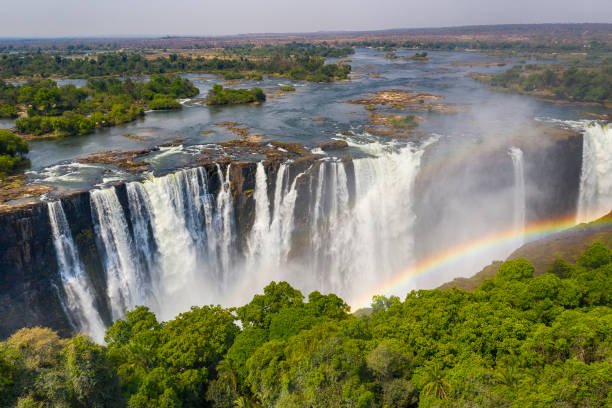
Determining which country in Africa is Victoria Falls involves looking at the shared border of Zambia and Zimbabwe where the Zambezi River takes its massive plunge into a deep basalt gorge. This world-renowned waterfall is not restricted to a single nation but is managed and celebrated by both neighboring countries as a shared heritage site. It is widely considered one of the most spectacular natural sights on the planet and serves as a major geographical landmark for the southern region of the continent.
To appreciate the scale of this natural wonder, it is helpful to understand how these nations facilitate access and preserve the surrounding environment. The falls are deeply integrated into the cultural and economic fabric of several nations within the Zambezi River basin, influencing everything from local tourism to regional environmental policies.
These are the Countries In Africa That Host Victoria Falls
The question of which country that is home to Victoria Falls in Africa is often answered by pointing to the two nations that physically house the curtain of water. However, the experience of the falls extends far beyond just the cliff edge, involving various neighboring states that provide logistics, water flow, and regional conservation efforts. Each nation plays a unique role in the story of Mosi-oa-Tunya, or The Smoke That Thunders, contributing to the status of the falls as a premier global destination. Below is a detailed look at the countries in Africa that are directly or indirectly associated with this magnificent natural phenomenon.
1. Zimbabwe
Zimbabwe is a primary African country which features Victoria Falls and is home to about two-thirds of the waterfall's viewing width. The town of Victoria Falls in Zimbabwe is a bustling tourism hub specifically built to cater to visitors who wish to see the Main Falls, Horseshoe Falls, and the Rainbow Falls. Travelers often prefer the Zimbabwean side because the forest remains lush throughout the year, providing a consistent view of the water curtain even during the drier months. There are several well-maintained paths within the Victoria Falls National Park that allow for a full frontal view of the plummeting water. Visitors can stay in legendary hotels like the Victoria Falls Hotel, which has offered views of the Second Gorge and the bridge since the colonial era. Zimbabwe has invested heavily in its airport and park infrastructure to ensure it remains the most popular entry point for international tourists.
2. Zambia
Zambia is the other essential country in Africa Victoria Falls is situated in, offering a unique perspective from the town of Livingstone. While Zimbabwe provides the most comprehensive frontal views, Zambia allows visitors to get much closer to the water's edge, especially at the famous Knife-Edge Bridge. During the dry season, the Zambian side offers the daring Devil’s Pool experience, where swimmers can sit right on the lip of the falls in a natural rock pool. The Mosi-oa-Tunya National Park in Zambia focuses heavily on the conservation of the wildlife surrounding the falls, including white rhinos and elephants that frequently cross the river. Livingstone is known as the adventure capital of the region, offering white-water rafting, bungee jumping, and microlight flights that provide a bird's eye view of the entire zigzagging gorge system. The cultural connection is also very strong here, as the local Leya people have long considered the falls a sacred site for spiritual rituals.
3. Botswana
While not physically containing the waterfall, Botswana is an African country which is safe and serves as a major gateway for people visiting Victoria Falls. Located only about 80 kilometers from the falls, the town of Kasane in Botswana is a common starting point for day trips to the site. Many tourists choose to combine a safari in Botswana’s Chobe National Park with a visit to the falls, making it a critical part of the regional tourism circuit. The proximity of Botswana has led to the creation of the Uni-Visa system, which allows travelers to move seamlessly between Botswana, Zambia, and Zimbabwe. This cross-border cooperation ensures that the economic benefits of the falls are felt throughout the northern Botswana region. It is very common for travelers to wake up in a safari lodge in Botswana and be standing in the spray of the falls by lunchtime.
4. Namibia
Namibia is one of the countries in Africa that are near Victoria Falls, specifically through the narrow panhandle known as the Zambezi Region, formerly called the Caprivi Strip. This strip of land brings Namibia within a short driving distance of the falls, and many overland travelers use it as a corridor to reach the site. The Zambezi River, which feeds the falls, flows along the border of Namibia, making the country a vital partner in the management of the river’s water resources. Namibia’s role is largely focused on the ecological health of the river upstream, ensuring that the water remains clean and the wildlife corridors stay open. Travelers coming from the Etosha National Park or the desert regions of Namibia often finish their journey at Victoria Falls, making it the grand finale of a Southern African adventure. The connection between Namibia and the falls is a testament to the integrated nature of the region's geography and tourism industry.
5. Angola
Angola is an African country which has Victoria Falls as its primary water source, as the Zambezi River actually begins its journey in the remote marshlands of northwestern Angola. Without the rains that fall on the Angolan highlands, the falls would not exist in their current massive form. For years, Angola was excluded from the tourism conversation due to civil unrest, but it is now becoming an active participant in the Kavango-Zambezi Transfrontier Conservation Area. The health of the Angolan portion of the Zambezi basin is essential for maintaining the seasonal flow of the waterfall. As Angola develops its own tourism infrastructure, there are plans to link its national parks more closely with the Victoria Falls region. This hydrological connection makes Angola a silent but indispensable partner in the existence of the falls. The journey of the water from the small spring in Angola to the massive curtain of spray at the border is one of the great geographic stories of the continent.
6. Mozambique
Mozambique is a country in Africa Victoria Falls affects through the downstream flow of the Zambezi River as it heads toward the Indian Ocean. While the falls are located thousands of kilometers inland, the management of the water at the Victoria Falls bridge has a direct impact on the Cahora Bassa Dam in Mozambique. The two nations are linked through the Zambezi Watercourse Commission, which manages the shared water resources for the benefit of all eight basin states. Mozambique relies on the steady flow of the river for hydroelectric power and large-scale agriculture in its central provinces. Tourism operators in Mozambique also offer long-distance packages that include flights to the falls, recognizing its draw as a global icon. The connection highlights how a single natural wonder can have ripples that affect the economy and energy security of a nation on the other side of the continent. For many, the Zambezi is the lifeblood of Mozambique, and Victoria Falls is the most famous pulse of that river.
7. South Africa
South Africa is the country in Africa Victoria Falls relies on for its major logistical and aviation support. Most international travelers who visit the falls do so via a connecting flight from Johannesburg or Cape Town, making South Africa the primary transit hub for the site. South African travel agencies and tour operators manage a significant portion of the bookings for lodges on both the Zambian and Zimbabwean sides. The economic ties are so strong that many visitors view the falls as an extension of a South African holiday, often visiting after a trip to the Kruger National Park. South Africa also provides much of the technical expertise for the maintenance of the hydroelectric plants and tourism infrastructure in the region. This strategic partnership ensures that Victoria Falls remains accessible to the global market, despite being located in a relatively remote part of the interior. The synergy between South Africa’s world-class airports and the natural beauty of the falls is a key driver of Southern African tourism.
8. The KAZA Transfrontier Area
While not a single country, the Kavango-Zambezi Transfrontier Conservation Area (KAZA) is a massive regional block that includes countries in Africa that share Victoria Falls and its surrounding ecosystems. This initiative involves Angola, Botswana, Namibia, Zambia, and Zimbabwe, creating the world's largest terrestrial transfrontier conservation area. The heart of this area is Victoria Falls, which acts as the focal point for regional planning and wildlife protection. The KAZA agreement allows for the free movement of elephants and other migratory species across the borders of these five nations, restoring ancient paths that were blocked by fences for decades. By treating the region as a single ecological unit, these countries ensure that the waterfall is not just an isolated tourist site but part of a healthy, thriving wilderness. The KAZA project is a model for how nations can set aside political differences to protect a shared natural treasure. It emphasizes that the future of Victoria Falls is a collective responsibility that transcends national boundaries.
Reasons Why These Countries Host Victoria Falls in Africa
1. Unique Geological Basalt Formations: The primary reason which country in Africa is Victoria Falls located in was determined millions of years ago by volcanic activity. The falls sit on a massive basalt plateau that was formed by lava flows, which subsequently cracked due to tectonic movements. As the Zambezi River flowed over these cracks, it eroded the softer material, creating a series of zigzagging gorges. This geological history dictated exactly where the river would fall, placing it directly on the modern-day border of Zambia and Zimbabwe. Without these specific basalt fractures, the water would simply flow through a flat landscape without the dramatic vertical drop.
2. Post-Colonial Border Delineation: The reason African countries that are connected to Victoria Falls are divided the way they are is largely due to the colonial borders drawn in the late 19th century. During the Scramble for Africa, the British used the Zambezi River as a natural boundary to separate the territories of Northern Rhodesia and Southern Rhodesia. These territories eventually became the independent nations of Zambia and Zimbabwe, respectively. Because the border was placed exactly in the center of the river, the waterfall became a shared asset. This political decision has forced the two nations to collaborate on everything from bridge maintenance to water rights for over a century.
3. Hydrological Rhythms of the Zambezi: A country in Africa containing Victoria Falls is entirely dependent on the rainfall patterns of the upper Zambezi basin. The river collects water from a vast area spanning several nations, including Angola and Zambia, before reaching the falls. The seasonal rise and fall of the water level are what give the waterfall its changing character, from the thunderous spray of April to the rocky cliffs of October. This hydrological cycle is a regional phenomenon that requires all basin countries to cooperate on environmental conservation. The falls are essentially the "measuring stick" for the health of the entire river system across Southern Africa.
4. Tourism and Economic Integration: The African countries that host Victoria Falls have recognized that the site is a significant "anchor" for the entire regional economy. Because no single country can offer the full experience alone, they have developed integrated tourism circuits. This economic necessity led to the creation of the KAZA Uni-Visa, which allows tourists to visit both sides of the falls without paying for multiple expensive visas. By working together, Zambia and Zimbabwe can attract more visitors who want a comprehensive view of the Seventh Natural Wonder. This economic reality has turned the falls into a bridge for diplomatic and commercial cooperation between the two nations.
5. Protection of UNESCO World Heritage: Victoria Falls was designated a UNESCO World Heritage site in 1989, a status that requires the African country which features Victoria Falls to follow strict conservation guidelines. Both Zambia and Zimbabwe must submit joint reports to UNESCO regarding the state of the falls and the impact of tourism development. This international oversight ensures that neither country takes actions that would harm the aesthetic or ecological value of the site. The UNESCO status acts as a unifying force, compelling both nations to maintain high standards of environmental stewardship. It also provides a global platform for the falls, ensuring they remain protected for future generations of all nationalities.
6. Cultural and Spiritual Significance: Long before any modern borders were drawn, the local tribes lived around the falls and considered them a place of immense power. The African country which has Victoria Falls today is home to groups like the Lozi and the Leya, who believe that the Nyami Nyami river god lives in the waters of the Zambezi. The falls were a site for rain-making ceremonies and spiritual pilgrimages for centuries before the arrival of European explorers. This deep cultural history provides a layer of protection and respect for the site that goes beyond modern laws. For the local people, the falls are not just a geographical coordinate but a living part of their spiritual and ancestral identity.
Conclusion
In summary, the question of which country in Africa is Victoria Falls is best answered by recognizing the dual stewardship of Zambia and Zimbabwe. While these two nations hold the physical borders of the waterfall, the entire Southern African region is connected to its ecological and economic health. From the headwaters in Angola to the transit hubs in South Africa, Victoria Falls serves as a powerful symbol of African natural beauty and regional unity. Whether you are viewing the spray from the rainforests of Zimbabwe or swimming in the pools of Zambia, the experience is a reminder of the continent's magnificent geography. Protecting this shared treasure requires a continued commitment to transfrontier conservation and international cooperation between all the nations that call the Zambezi basin home.
Enjoyed this read?
Share it with your friends and colleagues.