Did Vikings Braid Hair Before Africans

BSC Insights Admin
September 30, 2026
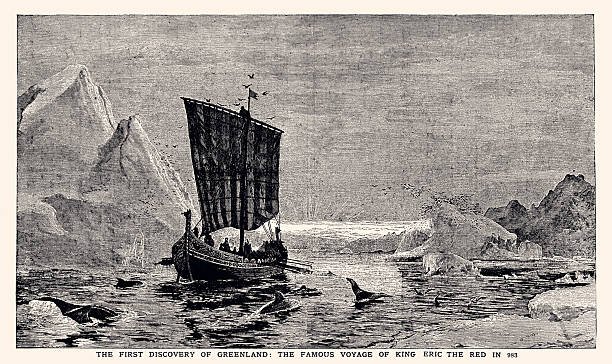
The question of whether Vikings braided hair before Africans delves into the deep historical roots of human grooming practices across different cultures. Archaeological and historical evidence overwhelmingly indicates that hair braiding traditions in Africa significantly predate those of the Vikings by thousands of years. While Vikings certainly practiced intricate hair and beard braiding during their era, the art of braiding has been a cornerstone of African culture for millennia, with evidence tracing back to ancient civilizations.
The Ancient Roots of Hair Braiding in Africa
The history of braiding in Africa is exceptionally rich and spans an impressive timeline, making it one of the longest-standing cultural practices on the continent. Evidence suggests that braiding began in Africa as early as 3500 BCE, possibly even earlier. This ancient practice was not merely about aesthetics; it was deeply intertwined with social status, spiritual beliefs, tribal identity, age, marital status, and wealth.
Early Archaeological and Historical Evidence
- Ancient Egypt: Hieroglyphs, tomb paintings, and preserved mummies clearly show complex braided hairstyles dating back thousands of years. Mummies found with intricate braids demonstrate sophisticated techniques.
- Sahara Desert Art: Rock paintings discovered in the Tassili n'Ajjer region of the Sahara, dating to approximately 3000 BCE, depict figures with diverse braided styles, showcasing the widespread nature of the practice even in ancient times.
- Nok Civilization: Artifacts from the Nok culture in modern-day Nigeria, dating from 1000 BCE to 500 CE, feature terracotta sculptures with detailed and varied braided hairstyles, indicating a highly developed sense of artistry and grooming.
These historical markers provide compelling evidence of the profound and enduring presence of African hair braiding history long before the Viking Age.
Cultural Significance and Diversity of African Braids
Across the vast continent of Africa, countless ethnic groups developed unique braiding styles, each carrying specific meanings. For example:
- The Himba people of Namibia are renowned for their intricate dreadlocks (often confused with braids or a form of them, as they incorporate braided elements) coated with otjize paste, symbolizing wealth and status.
- In West Africa, styles like cornrows and box braids served practical purposes—keeping hair neat and clean in hot climates—as well as ceremonial and symbolic roles.
- Braids were often used to signify tribal affiliation, a person's readiness for marriage, or their position within the community.
The techniques used in ancient braiding techniques Africa were sophisticated, involving various patterns, partings, and adornments like shells, beads, and even gold. This rich tapestry of styles underscores the deep historical and cultural roots of braiding within African societies.
Viking Hair Braiding: A Cultural Overview
The Vikings, inhabitants of Scandinavia from the late 8th to the mid-11th century CE, were also known for their attention to personal grooming, including hair care and styling. While their era came much later than the initial widespread emergence of braiding in Africa, Viking hair customs were distinct and played a role in their identity.
Evidence of Viking Age Hairstyles
Our understanding of Viking Age hairstyles comes from several sources:
- Sagas and Literature: Old Norse sagas and poems occasionally describe hairstyles, mentioning long hair, braids, and well-kept appearances for both men and women.
- Archaeological Finds: Excavations have unearthed numerous grooming tools such as combs, tweezers, and ear spoons, indicating a cultural emphasis on hygiene and personal presentation. While braids themselves rarely survive, the presence of these tools supports the idea of elaborate hair care.
- Artistic Depictions: While less common than in African art, some carvings, runestones, and depictions on artifacts show figures with what appear to be braided or elaborate hairstyles.
For Viking men, it was common to have long hair, often tied back or braided, sometimes even with intricate beard braids. Women typically wore their hair long and often styled in elaborate braids, sometimes covered with head coverings or scarves.
Significance of Viking Hair and Beard Braiding
For the Vikings, hair and beard styles were not just practical but also conveyed information:
- Status and Identity: A well-groomed appearance, including neatly braided hair or beards, could signify status, wealth, and attention to oneself.
- Hygiene and Protection: Braiding long hair kept it out of the way during battles or daily work, reducing tangles and keeping it cleaner.
- Warrior Ethos: A formidable appearance, including striking hair and beard styles, contributed to the overall image of a fierce warrior.
The Norse hair traditions, though significant within their own context, emerged much later on the global timeline of hair braiding.
Comparing the Timelines: Who Came First?
When directly addressing the question, Did Vikings braid hair before Africans?, the historical evidence provides a clear answer: Africans braided hair thousands of years before the Viking Age. The timeline can be summarized as follows:
| Culture/Region | Earliest Documented Evidence of Braiding | Key Characteristics |
|---|---|---|
| Africa (various regions) | Approximately 3500 BCE (or earlier) | Deep cultural, social, spiritual significance; diverse styles (cornrows, box braids, Himba styles); archaeological evidence from Ancient Egypt, Sahara, Nok culture. |
| Viking Age (Scandinavia) | Approximately 8th to 11th Century CE | Practical and aesthetic; long hair/beards often braided; evidenced by sagas, grooming tools, some art. |
The gap between the earliest known instances of braiding in Africa and the Viking Age is significant, spanning over four millennia. This extensive history demonstrates that Africans invented braiding or at least were among the earliest known practitioners globally, developing and refining it as a complex art form and cultural cornerstone.
The Enduring Legacy of Braiding
The legacy of braiding continues to thrive in both cultures, though with differing impacts:
African Braiding Traditions Through History to Modern Day
Traditional African hairstyles have continued uninterrupted for millennia, evolving while retaining core elements. From ancient times through the transatlantic slave trade and into the modern era, braids have been a symbol of resilience, heritage, and identity. Today, styles like cornrows, dreadlocks, box braids, and twists are globally recognized and celebrated, representing a continuous link to ancestral practices and a vibrant part of Black culture worldwide. The braiding timeline Africa shows an unbroken chain of cultural transmission.
Viking Influence on Modern Culture
While Viking braiding traditions did not have the same continuous cultural lineage as African braiding, they have experienced a significant resurgence in popular culture. Historical reenactments, fantasy literature, television shows (like 'Vikings'), and films often depict characters with elaborate braids, fueling interest in Norse hair traditions. This modern appreciation, however, is largely a revival based on historical interpretation rather than an unbroken tradition.
Why This Comparison Matters: Debunking Myths and Valuing Heritage
Understanding the historical timelines of cultural practices like hair braiding is crucial for several reasons:
- Debunking Misconceptions: It corrects historical inaccuracies and challenges eurocentric narratives that might inadvertently diminish the antiquity and ingenuity of non-European cultures.
- Appreciating Cultural Heritage: It highlights the incredible depth and sophistication of African cultural heritage, emphasizing the long history of innovation and artistic expression in Africa.
- Global Perspective: It provides a more accurate and inclusive understanding of human history and the independent development of diverse cultural practices across the globe. The origins of braiding are multi-faceted, but Africa's claim to its earliest widespread development is undeniable.
Acknowledging the vast timeline of African braiding is not about diminishing Viking cultural contributions but about giving due credit where it is historically validated. Both cultures contributed unique styles and meanings to the art of hair grooming within their respective contexts and eras.
Misconceptions and Clarifications about Historical Hair Practices
It's important to clarify that while braiding is a universal human practice, its specific origins and cultural evolution differ significantly across regions. The question isn't whether people in other parts of the world also braided their hair, but who did so first and when it became a deeply ingrained, widespread cultural tradition. The global spread of human populations meant that similar practical solutions, like braiding hair for neatness or protection, could develop independently.
However, the sheer volume of archaeological evidence, the continuity of the practice, and its profound societal integration firmly establish Africa as the continent with the longest and most extensively documented history of hair braiding. The historical hair practices across Africa demonstrate a sophistication that developed over millennia.
Conclusion
In conclusion, the historical record unequivocally shows that Africans braided hair thousands of years before the Vikings. Evidence from ancient Egyptian hieroglyphs, Saharan rock art, and Nok civilization sculptures places the origins of elaborate braiding traditions in Africa as far back as 3500 BCE, if not earlier. While Vikings certainly practiced hair and beard braiding during their era (8th to 11th century CE), their traditions emerged much later. This comparison illuminates the incredible depth of African hair braiding history and its continuous, evolving legacy, affirming its status as one of humanity's oldest and most culturally significant aesthetic practices.
Enjoyed this read?
Share it with your friends and colleagues.