Did Vikings Ever Go To Africa

BSC Insights Admin
September 30, 2026
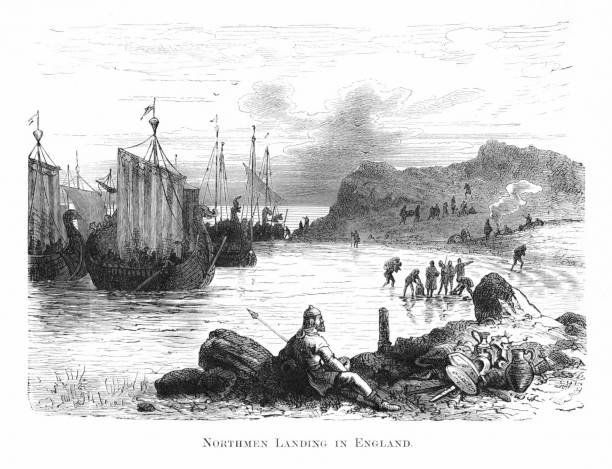
Yes, Vikings did go to Africa, though their presence was not as widespread or well-documented as their activities in Europe, Russia, or North America. Primarily, Norse seafarers reached the northern coast of Africa through their extensive raiding and trading expeditions into the Mediterranean Sea, particularly via Islamic Spain (Al-Andalus) during the 9th and 10th centuries. These encounters were largely opportunistic, driven by a quest for wealth, plunder, and slaves, rather than a sustained effort at colonization or widespread interaction.
The Vast Reach of the Viking Age Expeditions
The Viking Age, spanning from approximately 793 AD to 1066 AD, was a period of dramatic expansion and exploration for Norse peoples from Scandinavia. Driven by a combination of factors including population growth, political unrest, advanced shipbuilding technology (particularly the Viking longships and knarrs), and a desire for wealth and new lands, the Vikings embarked on voyages that took them across vast swathes of the known world. From the icy reaches of the North Atlantic to the bustling markets of Constantinople, their influence was felt across continents.
While commonly associated with raids on England, Ireland, and France, or the settlement of Iceland, Greenland, and North America, the Viking expansion also pushed southward. Their voyages through the Baltic Sea led them deep into Eastern Europe, establishing trade routes along rivers like the Volga and Dnieper, and connecting them to the Byzantine Empire and the Abbasid Caliphate. It was this remarkable naval capability and adventurous spirit that eventually brought them into contact with the shores of Africa.
Opening the Gateway: Vikings in the Mediterranean
For Vikings to reach Africa, they first had to navigate the formidable challenges of entering the Mediterranean Sea. This was achieved primarily through two routes: the eastern river systems connecting to the Black Sea and then the Mediterranean, or more directly, by sailing around the Iberian Peninsula (modern-day Spain and Portugal) and through the Strait of Gibraltar. The latter route proved to be the more significant for their interactions with North Africa.
The first major Viking incursions into the Iberian Peninsula occurred in 844 AD, when a large fleet of longships sailed south along the Atlantic coast of what is now Portugal and Spain. They launched a devastating raid on Seville, then a prominent city within Al-Andalus, the powerful Islamic caliphate that controlled much of the Iberian Peninsula. This initial raid, though ultimately repelled by the Umayyad forces, demonstrated the Vikings' ability to project power far from their homelands and set a precedent for future expeditions.
Al-Andalus: A Stepping Stone to Africa
The encounters in Al-Andalus were crucial, as Islamic Spain served as a critical nexus for trade, culture, and conflict. The highly developed Islamic civilization presented both a formidable enemy and an enticing target for plunder. More importantly, Al-Andalus was geographically positioned directly across the Strait of Gibraltar from the North African coast, specifically the Maghreb region.
The 859-861 AD expedition is perhaps the most well-documented instance of Viking contact with Africa. A fleet, reportedly led by the legendary Hastein and Björn Ironside (though these figures are semi-legendary), sailed from Scandinavia, raided along the coasts of Spain and France, and then passed through the Strait of Gibraltar. After raiding Algeciras on the Iberian side, they crossed the strait and descended upon the North African coast. Their targets included:
- Nekor (Nukur): An independent Emirate in what is now northern Morocco. The Vikings sacked the city and took a significant number of captives, intending to sell them as slaves.
- Balearic Islands: After leaving the African coast, the fleet continued raiding across the Mediterranean, attacking islands like Majorca.
This expedition clearly demonstrates that Norse seafarers traveled to Africa, engaging in raids and taking captives. Their movements were not confined to the northern Atlantic but extended deep into the Mediterranean, bringing them into direct, albeit often violent, contact with the inhabitants of North Africa.
Historical Evidence and Accounts of Viking-African Contact
The evidence for Viking presence in Africa comes primarily from contemporary written sources, especially those from the Islamic world, which were meticulously documented during this period. While archaeological finds directly linking Vikings to North Africa are scarce, the historical accounts provide compelling testimony.
Primary Sources: Islamic Chronicles
Islamic historians and geographers meticulously recorded events of their time, including foreign incursions. Accounts by chroniclers such as:
- Al-Bakri: A renowned geographer from Al-Andalus, who in the 11th century documented the Viking raids on Nekor and described the devastation caused.
- Ibn Idhari: A Marrakesh-based historian who provided details on the raids against Seville and the subsequent Mediterranean voyages.
- Anonymous writers from the 'Akhbar majmu'a': A collection of anonymous histories from Al-Andalus that recount the 844 AD raid on Seville and later Viking movements.
These texts often refer to the Vikings as 'Majus' or 'Madjus', a term that generally meant 'fire-worshippers' or 'heathens', reflecting their non-Islamic beliefs. The detailed descriptions in these chronicles paint a vivid picture of the Vikings' naval prowess, their ferocity in battle, and their objectives of plunder and enslavement.
Archaeological and Secondary Evidence
Direct archaeological evidence of Viking settlements or extensive presence in North Africa is rare. This is largely due to the nature of their visits, which were typically transient raids rather than prolonged settlements. Unlike in areas like England or Greenland, where Vikings established permanent communities, their interactions with North Africa were ephemeral.
However, the existence of trade networks linking the Islamic world, including North Africa, with Scandinavia through intermediaries is undeniable. Goods such as:
- Silver dirhams: Islamic coins are frequently found in Viking hoards across Scandinavia and Eastern Europe, demonstrating extensive trade connections. Some of these coins would have originated from North African mints or through trade routes that passed through Africa.
- Exotic goods: Ivory, spices, and possibly even enslaved individuals from sub-Saharan Africa could have entered Viking trade networks indirectly through their interaction with Islamic traders in Al-Andalus or the Byzantine Empire.
While not direct evidence of Vikings being deep in Africa, it shows the interconnectedness of the economies and the reach of goods originating from or passing through the African continent.
The Nature of Viking-African Contact: Raids and Trade
It is important to distinguish the nature of Viking interactions with Africa from their activities elsewhere. Unlike in areas like the British Isles or parts of Russia, where they established long-lasting settlements, kingdoms, or significant trade cities, their presence in Africa was primarily characterized by:
- Opportunistic Raids: The expeditions to North Africa were primarily for plunder, slaves, and resources. Coastal towns like Nekor were vulnerable targets.
- Transient Presence: There is no evidence of permanent Viking settlements or a lasting Norse cultural impact on North Africa. They came, they raided, and they left.
- Indirect Trade: While direct trade with North African societies might have been limited to specific raid-related exchanges or ransoms, Vikings were part of a broader European and Islamic trade network where African goods (e.g., gold, ivory from the Sahara trade routes) could have reached them via intermediaries in Al-Andalus or Byzantium.
The strategic importance of the Mediterranean Sea for all major powers of the era meant that any incursions were met with strong resistance. The Umayyad Caliphate in Al-Andalus and the various North African emirates possessed formidable navies and armies, which were capable of repelling Viking attacks and limiting their penetration inland.
The Broader Context of Norse Expeditions
The voyages to Africa highlight the unparalleled navigational skills and audacious spirit of the Viking long-range seafarers. These were not random journeys but calculated expeditions, often involving hundreds of warriors and multiple ships. Their ability to navigate open seas, coordinate attacks, and adapt to different cultural and military environments made them a force to be reckoned with across diverse regions.
The relatively limited scope of their African ventures, when compared to their deep penetration into Eastern Europe or their colonization of North Atlantic islands, suggests that the rewards in North Africa, perhaps due to stronger defenses or less accessible resources compared to other regions, did not warrant more sustained efforts. Furthermore, the unfamiliar climate and diseases might have also played a role in discouraging deeper or more prolonged engagements.
Despite the brevity of their stays, these interactions contributed to the overall exchange of goods, ideas, and even people across continents. Enslaved individuals from North Africa could have been transported back to Viking strongholds, and foreign items would have been brought back to Scandinavia, enriching the material culture of the Norse world. Conversely, the people of North Africa and Al-Andalus gained first-hand, albeit often traumatic, experience with these powerful raiders from the north.
Conclusion: A Surprising Chapter in Viking History
In conclusion, the answer to the question, "Did Vikings ever go to Africa?" is a definitive yes. While their encounters were not on the scale of their activities in Western Europe or the North Atlantic, historical accounts, particularly from Islamic chroniclers, confirm that Viking expeditions reached the northern coast of Africa. These were primarily raiding parties that passed through the Strait of Gibraltar after engaging with Islamic Spain (Al-Andalus) in the 9th and 10th centuries.
The Norse seafarers, with their advanced longships, demonstrated a remarkable capacity for long-distance travel and opportunistic raiding, pushing the geographical limits of their exploration far beyond commonly perceived boundaries. These brief but impactful incursions added a fascinating dimension to the extensive and diverse history of the Viking Age voyages, showcasing their global reach and complex interactions with different civilizations. Though their presence was fleeting and did not lead to permanent settlements, these journeys underscore the incredible ambition and reach of the Vikings.
Enjoyed this read?
Share it with your friends and colleagues.