How To Volunteer In Africa With Kids

BSC Insights Admin
October 01, 2026
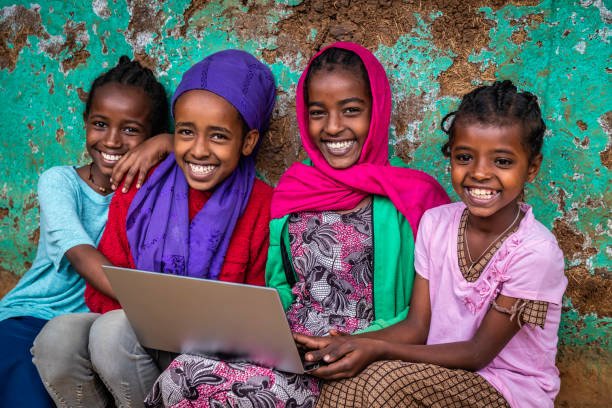
Volunteering in Africa with kids is an incredibly enriching and transformative experience that allows families to contribute to meaningful causes while immersing themselves in diverse cultures and environments. It involves participating in organized programs designed for families to support local communities, wildlife conservation, environmental protection, or educational initiatives across various African nations, creating lasting memories and fostering a global perspective in children.
Why Volunteer in Africa with Your Children?
Embarking on a family volunteer trip to Africa offers unparalleled benefits that extend far beyond the immediate impact of your work. It's an investment in your children's development and an unforgettable bonding experience for the entire family. Many families seek
family volunteering Africa opportunities to combine travel with purpose.
Educational Benefits and Global Awareness
- Cultural Immersion: Children gain firsthand exposure to different lifestyles, traditions, and languages, fostering a deeper understanding and appreciation of global diversity. They learn about African history, art, and societal structures directly from the source.
- Global Issues Awareness: Participating in projects like community development or conservation helps kids grasp real-world challenges such as poverty, lack of access to education, or habitat loss, making abstract concepts tangible.
- Life Skills Development: Working alongside diverse groups of people, adapting to new environments, and problem-solving in real-time builds resilience, adaptability, and cross-cultural communication skills.
Family Bonding and Personal Growth
- Shared Purpose: Collaborating on a project unites the family with a common goal, strengthening bonds and creating unique shared memories.
- Empathy and Compassion: Witnessing the needs of others and actively contributing to solutions cultivates empathy, kindness, and a sense of social responsibility in children.
- Increased Confidence: Successfully navigating new challenges and making a tangible difference can significantly boost a child's self-esteem and confidence.
Making a Tangible Impact
Whether you're helping to build a school, care for rescued wildlife, or support a local health clinic, your family's efforts directly contribute to the well-being and development of the host community or environment. This direct impact is a powerful motivator for families looking for
volunteer opportunities Africa families.
Choosing the Right Volunteer Program
Selecting the ideal program is crucial for a successful and meaningful family volunteering experience. It requires careful research and consideration of your family's interests, ages, and comfort levels. Look for reputable organizations that offer
Africa volunteer programs children can genuinely participate in.
Age-Appropriate Activities
Programs vary widely in their suitability for different age groups. It's vital to choose a project where children can actively and safely participate, rather than just observe. Organizations should have specific roles or activities tailored for younger volunteers.
- Younger Children (5-10 years): May thrive in roles involving simple tasks like sorting donations, playing with local children, assisting with light gardening, or observing animal care from a safe distance. Emphasis should be on cultural exchange and basic support.
- Pre-teens (11-13 years): Can take on more active roles, such as basic construction tasks, helping with educational games, assisting in feeding animals, or participating in environmental clean-ups.
- Teenagers (14+ years): Can often engage in more demanding tasks, including teaching assistance, data collection for conservation, more complex building projects, or direct animal care under supervision.
Types of Projects Suitable for Families
Many programs are designed specifically for families, offering a range of experiences from wildlife adventures to community support. These are often categorized as
ethical family volunteering Africa initiatives.
- Conservation Projects: Wildlife sanctuaries, national parks, and marine conservation efforts often welcome families. Activities might include monitoring animal behavior (from a distance), assisting with habitat maintenance, tree planting, or helping with animal enrichment. For example, working with endangered species projects in South Africa or marine conservation in Tanzania.
- Community Development: These projects often focus on education, health, and infrastructure. Families might help with school renovations, teaching basic English, assisting in children's centers, or participating in clean water initiatives. Ghanaian education projects or building initiatives in Kenya are popular.
- Animal Care: Volunteering at animal shelters, rescue centers, or orphanages (for domesticated or non-dangerous wild animals) can involve feeding, cleaning enclosures, and providing enrichment.
- Cultural Exchange Programs: While not always traditional volunteering, these programs emphasize living within a community, learning local customs, and participating in daily life, often with a component of supporting local businesses or initiatives.
Reputable Organizations and Ethical Volunteering
Thorough research is essential. Look for organizations with a clear mission, transparent financials, positive reviews from past family volunteers, and a strong commitment to ethical practices. A truly ethical program prioritizes local needs, works directly with communities, and avoids creating dependency or taking jobs from locals. Ask about the organization's long-term goals and how they ensure sustainability.
Key Considerations Before You Go
Preparing adequately is key to a smooth and enjoyable experience for your family. From health to budget, every detail matters when planning to
volunteer abroad with kids Africa.
Health and Safety
Your family's well-being is paramount.
- Vaccinations and Medical Precautions: Consult a travel doctor well in advance (6-8 months) to discuss required and recommended vaccinations (e.g., Yellow Fever, Hepatitis A/B, Typhoid, Tetanus, Malaria prophylaxis). Discuss any existing medical conditions your children have and how they might be managed abroad.
- Travel Insurance: Comprehensive travel insurance, including medical evacuation, is non-negotiable for family volunteer trips.
- Local Safety Guidelines: Research the political stability and general safety of your chosen destination. Follow local advice, stay aware of your surroundings, and avoid unnecessary risks. Many programs provide specific safety briefings.
- First-Aid Kit: Pack a well-stocked first-aid kit with essentials for children, including pain relievers, allergy medication, antiseptic wipes, bandages, and any prescription medicines.
Budgeting for a Family Volunteer Trip
Family volunteering can be a significant investment, but many find the experience priceless. A transparent
planning family volunteer trip Africa budget will help.
- Program Fees: These can range from hundreds to thousands of dollars per person, often covering accommodation, meals, in-country transport, project support, and supervision.
- Flights: International flights to Africa can be a major expense, especially for a family. Book well in advance and consider off-peak seasons.
- Visas and Travel Documents: Factor in the cost of visas for all family members, and ensure passports are valid for at least six months beyond your intended return date.
- Additional Expenses: Include money for personal spending, souvenirs, optional excursions, vaccinations, and insurance.
- Fundraising: Many families successfully fundraise for their trips by creating online campaigns, hosting events, or seeking sponsorships.
Logistics and Planning
- Visa Requirements: Research the specific visa requirements for your nationality and destination country. Apply well in advance.
- Packing Essentials: Pack light but smart. Consider quick-drying clothing, sturdy closed-toe shoes, sun protection (hats, sunscreen), insect repellent, a reusable water bottle, and any comfort items for your children. Adaptors for electronics are crucial.
- Travel Arrangements: Coordinate flights with your program's arrival/departure dates. Inquire about airport pickups and in-country transportation provided by the organization.
Preparing Your Children
Engaging your children in the preparation process will enhance their experience.
- Research Together: Learn about the country, its culture, and the specific project. Watch documentaries or read books about Africa.
- Discuss Cultural Differences: Prepare them for potential differences in food, living conditions, communication styles, and daily routines. Emphasize respect and open-mindedness.
- Set Expectations: Be realistic about the work involved, the living conditions, and the challenges they might encounter. Emphasize that their contribution, however small, is valuable.
What to Expect During Your Volunteer Experience
Understanding the daily realities of volunteering will help your family adjust and make the most of the journey. Many programs focus on
African community volunteer programs that integrate participants directly.
Daily Life
- Accommodation: This can vary from shared volunteer houses or dormitories to local guesthouses or homestays. Be prepared for simpler living conditions than you might be used to, often without luxuries like constant hot water or air conditioning.
- Food: Meals are typically local cuisine, often simple, nutritious, and prepared communally. Be open to trying new foods and communicate any dietary restrictions beforehand.
- Work Schedule: Days are usually structured with specific project tasks during the day, often with breaks, and evenings for relaxation, cultural activities, or reflection.
Cultural Immersion
A key aspect of
benefits of volunteering Africa family is the deep cultural exchange.
- Engaging with Local Communities: This is the heart of the experience. Be open to interacting with locals, learning a few phrases in their language, and participating in their daily life.
- Learning Customs and Traditions: Observe and respect local etiquette. Your program leaders will guide you on appropriate behavior.
Challenges and Rewards
Volunteering in Africa with children will present both challenges and immense rewards.
- Challenges: Homesickness, culture shock, physical discomfort (e.g., heat, insects), emotional intensity, or witnessing difficult circumstances. It's important to acknowledge these and talk them through as a family.
- Rewards: The sense of accomplishment, the bonds formed with locals and fellow volunteers, the new perspectives gained, and the lasting impact on both the community and your family. These far outweigh any difficulties.
Ethical Volunteering: Making a Positive Impact
Ensuring your family's volunteer trip truly benefits the host community is paramount. This is especially true for
wildlife conservation Africa family projects, where animal welfare must be prioritized.
- Prioritizing Local Needs: A good program works *with* the community to address their self-identified needs, rather than imposing external solutions.
- Avoiding "Voluntourism" Pitfalls: Be wary of programs that seem more focused on tourists than genuine impact, especially those involving orphanages (which can sometimes inadvertently contribute to child trafficking or institutionalization) or projects where unqualified volunteers perform skilled tasks.
- Sustainable Contributions: Ensure your efforts are part of a long-term, sustainable project that continues to benefit the community after you leave.
- Respecting Local Culture and Traditions: Always approach the experience with humility and respect. Listen more than you speak, and be mindful of local customs, dress codes, and social norms.
Top Destinations in Africa for Family Volunteering
Africa is a vast continent with diverse opportunities. Certain countries have well-established volunteer infrastructures and family-friendly programs that offer
cultural immersion Africa kids can enjoy.
- South Africa: Known for its robust wildlife conservation efforts and diverse cultural landscapes. Families can participate in projects involving big cat sanctuaries, marine conservation, or community support in townships. The infrastructure is generally well-developed, making it a popular choice.
- Tanzania: Offers opportunities in wildlife conservation (near national parks like Serengeti), community development, and education. Combining a volunteer stint with a safari is a popular option.
- Kenya: Similar to Tanzania, Kenya provides rich experiences in wildlife conservation (e.g., elephant orphanages, anti-poaching efforts) and a variety of community-based projects focused on education and health.
- Ghana: A friendly and stable West African nation, Ghana is excellent for community development projects, especially in education, health, and orphanages (ensure ethical practices are strictly followed). It offers a deep cultural immersion experience.
- Morocco: For families seeking a North African experience, Morocco offers unique cultural exchange and community support projects, particularly in rural development and supporting local artisan initiatives.
Tips for a Successful Family Volunteer Trip
To maximize the positive impact and enjoyment of your
safety tips Africa family volunteering adventure, keep these practical tips in mind.
- Be Flexible and Patient: Things may not always go as planned in Africa. Embrace the unexpected and maintain a positive attitude.
- Maintain an Open Mind: Be ready to learn, adapt, and step outside your comfort zone.
- Encourage Reflection: Talk as a family about your experiences daily. Journaling or drawing can help children process their observations and feelings.
- Stay Engaged Post-Trip: Continue your support for the project or cause if possible, whether through donations, advocacy, or sharing your story.
- Prioritize Downtime: While the work is important, ensure there's also time for family relaxation, exploration, and fun to avoid burnout.
Conclusion
Volunteering in Africa with children is an extraordinary journey that transcends a typical family vacation. It offers a unique blend of adventure, learning, and meaningful contribution, fostering a deep sense of global citizenship and compassion in young hearts. By choosing the right program, preparing thoroughly, and embracing the experience with an open mind, your family can create indelible memories and make a genuine, positive impact on the world, solidifying the idea that
how to volunteer in Africa with kids can be a profoundly rewarding endeavor for everyone involved.
Enjoyed this read?
Share it with your friends and colleagues.