Which Countries In Africa Are Developed

BSC Insights Admin
October 07, 2026
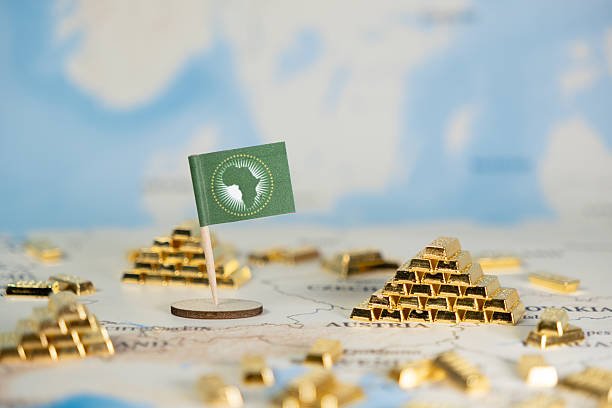
Identifying which countries in Africa are developed involves analyzing a combination of economic stability, the Human Development Index, and the overall quality of national infrastructure. While no nation on the continent is yet classified as a fully advanced economy by global standards such as the G7, several countries have achieved high human development and upper-middle-income status. These leading nations serve as the primary drivers of continental growth and provide a roadmap for emerging markets through their diversified industries and improved social services.
The journey toward full development across the continent is characterized by significant investments in technology and the formalization of trade agreements. By looking at the specific nations that are currently leading this charge, we can better understand the shifting landscape of African economic power.
These are the Countries in Africa that are Developed
Exploring the list of the most advanced nations in Africa requires a look beyond simple gross domestic product figures to include education levels and life expectancy. These countries have successfully utilized their natural resources or strategic geographic locations to build sustainable systems that benefit their citizens. The following nations represent the highest tiers of development on the continent, showcasing impressive progress in urbanization and institutional stability over the last several decades.
1. Mauritius
Mauritius is widely considered the most developed country in Africa due to its high per capita income and robust democratic institutions. Since gaining independence, the island nation has successfully transitioned from a sugar-based economy into a diversified hub for financial services, luxury tourism, and information technology. The government has prioritized high-quality education and healthcare, which are provided for free or at very low costs to all citizens. This small nation consistently ranks at the top of the Human Development Index for the region and maintains a very friendly environment for international investors. For example, its strategic tax laws and stable legal framework have attracted thousands of multinational corporations to set up regional headquarters in the capital, Port Louis. The country’s commitment to social welfare and economic freedom serves as a global model for small island developing states.
2. Seychelles
The Seychelles is another island nation that has achieved a very high human development ranking and is officially classified as a high-income country. With a small population and a vast marine territory, the nation has built a powerful economy centered around high-end tourism and industrial tuna fishing. The government has made significant strides in environmental conservation, protecting nearly half of its land area to ensure the long-term sustainability of its tourism industry. Citizens enjoy a high standard of living with access to modern amenities and a comprehensive social safety net that ranks among the best in the world. Seychelles also boasts one of the highest literacy rates on the continent, reflecting decades of consistent investment in its human capital. Despite its vulnerability to climate change, the nation remains a leader in the blue economy and continues to diversify its financial sector.
3. South Africa
South Africa possesses the most industrialized and technologically advanced economy on the continent, featuring a sophisticated manufacturing sector and a world-class financial system. As the only African member of the G20, the country plays a critical role in global economic discussions and serves as a gateway for trade into the Southern African region. The nation’s infrastructure, including its extensive rail network and deep-water ports, is among the most comprehensive in the world. While it faces challenges with unemployment and inequality, its centers like Johannesburg and Cape Town are global hubs for finance, media, and technology. For instance, the Johannesburg Stock Exchange is the largest in Africa and ranks among the top twenty globally by market capitalization. South Africa’s diverse industrial base, ranging from automotive production to advanced mining technology, keeps it at the forefront of the continent’s development.
4. Botswana
Botswana is often hailed as a miracle of African development because it transformed from one of the poorest nations in the world to an upper-middle-income country in just a few decades. The nation’s success is built on the prudent management of its diamond resources and a long history of stable, democratic governance. Unlike many resource-rich nations, Botswana has utilized its mining revenues to build high-quality schools, hospitals, and paved roads across its vast territory. The country maintains a low level of corruption and a high degree of economic freedom, which has encouraged steady foreign direct investment. Botswana’s commitment to wildlife conservation has also fostered a thriving tourism industry that complements its mining sector. Today, the nation focuses on diversifying its economy into finance and agriculture to ensure continued growth for future generations.
5. Egypt
Egypt has undergone a massive infrastructure transformation in recent years, solidifying its position as one of the most developed and influential nations in North Africa. The country has invested billions of dollars in new cities, including a massive new administrative capital, and has modernized its national transport networks. Egypt’s economy is highly diversified, with significant contributions from tourism, manufacturing, and the vital Suez Canal shipping lane. The nation also boasts a high level of technical expertise in engineering and medicine, producing a large workforce that serves the entire Middle East. For example, the Suez Canal Economic Zone has become a magnet for international factories looking for a strategic base between Europe and Asia. With a population exceeding 100 million, Egypt continues to expand its industrial capacity and renewable energy projects to sustain its development.
6. Morocco
Morocco has emerged as a major manufacturing and green energy leader, making it one of the most stable and developed countries in the Maghreb region. The nation has successfully positioned itself as an automotive hub, with companies like Renault and Stellantis operating massive production facilities that export vehicles to Europe. Morocco is also home to the Noor Ouarzazate Solar Power Station, one of the largest solar complexes in the world, reflecting its commitment to sustainable development. The government has invested heavily in modernizing its infrastructure, including the introduction of Africa’s first high-speed rail line connecting Tangier to Casablanca. Its strategic location at the crossroads of Africa and Europe has made it a favorite destination for logistical companies and international traders. The Moroccan monarchy has also focused on social reforms and urban renewal to improve the quality of life for its growing middle class.
7. Tunisia
Tunisia is known for having one of the most educated workforces in Africa and a highly developed service sector that caters to both domestic and international markets. The nation has a long history of prioritizing social development, particularly in the areas of women's rights and public education. Its economy is well-integrated with European markets, with strong exports in textiles, mechanical components, and olive oil. Tunisia’s tourism industry is world-renowned, featuring historic sites and Mediterranean resorts that attract millions of visitors every year. The country’s infrastructure, including its telecommunications and healthcare systems, is relatively advanced compared to many of its regional neighbors. Despite recent economic transitions, Tunisia remains a key player in the Mediterranean economy and continues to foster a culture of innovation and entrepreneurship.
8. Algeria
Algeria utilizes its massive oil and natural gas reserves to maintain a high level of human development and provide extensive social services to its population. The government has used hydrocarbon revenues to fund a comprehensive welfare state, offering free education, healthcare, and subsidized housing to millions of citizens. Algeria’s infrastructure is highly developed, featuring a massive national highway system and modern metro lines in the capital city of Algiers. The nation has a high life expectancy and low levels of extreme poverty compared to the continental average. In recent years, the government has launched initiatives to diversify the economy into agriculture and mining to reduce its heavy reliance on energy exports. Algeria’s industrial potential and strategic energy link to Europe make it a central pillar of North African development.
9. Namibia
Namibia is a stable, upper-middle-income country with a high level of infrastructure development and a strong focus on resource management. The nation’s economy is driven by mining, particularly diamonds and uranium, as well as a robust commercial fishing industry. Namibia is known for its world-class road networks and modern telecommunications, which facilitate trade and tourism across its beautiful desert landscapes. The government has implemented progressive policies for wildlife conservation and communal land management, which have become global benchmarks. Windhoek, the capital, is a clean and well-organized city that serves as the administrative heart of the nation. Namibia’s commitment to the rule of law and political stability has made it one of the safest and most reliable destinations for foreign investment in Southern Africa.
10. Gabon
Gabon is one of the wealthiest countries in Africa in terms of per capita income, thanks to its significant oil reserves and a small, urbanized population. The nation has used its oil wealth to build modern infrastructure in cities like Libreville and Port-Gentil, where most of the citizens reside. Gabon is also a leader in environmental stewardship, having dedicated a large portion of its land to national parks to protect its pristine rainforests. The government is currently working to diversify the economy by promoting sustainable forestry and ecotourism to prepare for a post-oil future. Gabon’s high literacy rates and access to social services reflect a history of state-led development initiatives. The nation remains a major player in Central African affairs and is increasingly focusing on industrializing its timber and mining sectors.
11. Ghana
Ghana is often cited as a beacon of democratic stability and economic progress in West Africa, making significant strides in digitalization and infrastructure. The nation has a diverse economy fueled by gold, cocoa, and more recently, offshore oil and gas production. The capital, Accra, is a rapidly growing metropolis that has become a center for technology and creative industries in the region. Ghana has made impressive progress in providing electricity to its rural population and has a strong focus on expanding its manufacturing base. The government’s Year of Return initiative successfully boosted tourism and strengthened ties with the global African diaspora. Ghana’s commitment to education and its business-friendly environment continue to attract significant international capital and talent.
12. Kenya
Kenya is the economic and logistics hub of East Africa, famous for its pioneering mobile money technology and its burgeoning tech sector known as the Silicon Savannah. The country has a highly diversified economy with strong agricultural exports, a thriving tourism industry, and a growing manufacturing sector. Nairobi is a global city that hosts the headquarters of several international organizations and serves as a major financial center for the region. Kenya has invested heavily in modern infrastructure, including a new standard-gauge railway and expanded port facilities in Mombasa and Lamu. The nation is also a leader in renewable energy, getting a significant portion of its power from geothermal and wind sources. Kenya’s vibrant private sector and highly skilled workforce make it one of the most dynamic and developed nations on the continent.
13. Rwanda
Rwanda has become a global example of rapid development and structural reform, transforming its economy through visionary leadership and a focus on technology. The nation is consistently ranked as one of the easiest places to do business in Africa, attracting investors with its low levels of corruption and efficient bureaucracy. Kigali, the capital, is celebrated as one of the cleanest and safest cities in the world, reflecting the country’s commitment to orderly urban development. Rwanda has prioritized digital transformation, aiming to become a service-based economy that connects the entire Great Lakes region. The government has also made massive improvements in public health, achieving near-universal health insurance for its citizens. Rwanda’s focus on long-term planning and social cohesion has allowed it to achieve growth rates that are among the highest in the world.
14. Equatorial Guinea
Equatorial Guinea is a high-income nation by African standards, with its economy almost entirely driven by massive offshore oil and gas discoveries. This wealth has allowed the government to embark on an unprecedented infrastructure building spree, creating new highways, airports, and luxury cities. Malabo and Bata feature modern skylines and advanced facilities that were built to transform the country into a regional business hub. While the nation works to ensure its wealth is more equitably distributed, its per capita GDP figures remain some of the highest on the continent. The country is also investing in new ports and energy infrastructure to maintain its position as a key player in the Gulf of Guinea. Equatorial Guinea’s rapid physical transformation over the last twenty years is a testament to the power of natural resource wealth when applied to large-scale construction.
15. Libya
Libya has historically been one of the most developed nations in Africa, possessing the largest proven oil reserves on the continent and a highly urbanized population. During its peak years, the nation offered some of the highest standards of living in Africa, with free healthcare, education, and subsidized housing for all citizens. The country’s infrastructure, including the Great Man-Made River irrigation project, represents one of the most ambitious engineering feats in history. While the nation has faced significant political challenges in recent years, its underlying wealth and infrastructure provide a strong foundation for future recovery. Libya’s strategic location on the Mediterranean and its vast energy potential ensure that it remains a central factor in regional economic stability. The reconstruction of its coastal cities remains a major priority for the local and international business communities.
16. Nigeria
Nigeria is the largest economy in Africa and possesses a highly developed private sector with global influence in telecommunications, banking, and entertainment. While it faces infrastructure gaps in rural areas, its major cities like Lagos and Abuja are massive centers of commerce and industrial activity. Lagos is home to a thriving tech ecosystem and the newly completed Dangote Refinery, which is one of the largest in the world. The nation’s cultural exports, including Nollywood and Afrobeat music, have created a powerful soft power that drives international interest and investment. Nigeria’s massive market size and entrepreneurial spirit make it an essential destination for any global business looking to expand in Africa. The country is currently focused on improving its power grid and diversifying its economy away from a heavy reliance on crude oil.
17. Senegal
Senegal is recognized as one of the most stable and progressive nations in West Africa, with a growing economy focused on infrastructure and regional trade. The government’s Emerging Senegal Plan has led to the construction of a new international airport, a high-speed regional express train, and a massive new city called Diamniadio. Senegal is a major hub for international diplomacy and hosts numerous regional headquarters for global organizations in Dakar. The nation’s economy is diversifying with new investments in offshore gas, gold mining, and commercial agriculture. Senegal is also known for its vibrant artistic culture and its commitment to democratic values, which have fostered a peaceful environment for growth. Its strategic location as the westernmost point of Africa makes it a vital gateway for maritime trade and transatlantic logistics.
18. Ethiopia
Ethiopia has been one of the fastest-growing economies in the world over the last two decades, driven by a state-led development model that focuses on massive infrastructure projects. The nation has built a modern railway to the port of Djibouti, numerous industrial parks, and the Grand Ethiopian Renaissance Dam, which is the largest hydroelectric project in Africa. Addis Ababa is a major diplomatic capital and a central hub for African aviation through its world-class national carrier, Ethiopian Airlines. The government has prioritized manufacturing and energy production to transform the country into a regional industrial powerhouse. Ethiopia’s large population and strategic location in the Horn of Africa make its development critical for the continent’s overall progress. Despite recent challenges, the nation’s long-term investments in energy and transport continue to move it toward a more developed status.
19. Ivory Coast
Ivory Coast has experienced a significant economic resurgence, becoming the fastest-growing economy in West Africa and a major exporter of agricultural products. The nation is the world’s top producer of cocoa and has expanded its processing facilities to add more value to its exports before they leave its shores. Abidjan is a major economic center with a modern skyline, featuring advanced infrastructure and a bustling port that serves as a regional gateway. The government has invested heavily in road networks and energy production, making Ivory Coast a net exporter of electricity to its neighbors. The country’s stable political environment and business-friendly reforms have attracted billions of dollars in foreign direct investment. Ivory Coast is also diversifying into mining and services, ensuring that its growth is sustainable and inclusive for its citizens.
20. Djibouti
Djibouti is a small nation with a highly developed logistics and maritime sector, serving as the primary gateway for trade into the massive Ethiopian market. Its strategic location at the entrance to the Red Sea has allowed it to host several foreign military bases and build some of the most advanced port facilities in the world. The country has transformed itself into a regional transport hub, featuring a modern railway and several specialized ports for minerals and containers. Djibouti is also becoming a center for digital connectivity, serving as a landing point for numerous undersea fiber-optic cables that connect Africa to Europe and Asia. The government is focused on utilizing its port revenues to improve social services and diversify its economy into renewable energy and tourism. Djibouti’s role as a stable and secure logistical node makes it a critical component of international trade and development.
Reasons Why These Countries are Developed in Africa
1. Consistent Political Stability and Rule of Law: Most of the developed countries in Africa share a common history of long-term political stability and a commitment to the rule of law. This environment gives international investors the confidence to build factories and infrastructure, knowing that their assets are protected by a reliable legal system. Countries like Botswana and Mauritius have proven that peaceful transitions of power and strong democratic institutions are the most important foundation for economic growth.
2. Strategic Diversification of the National Economy: The most advanced nations on the continent have moved away from a total reliance on raw material exports to develop manufacturing and service sectors. By building automotive plants in Morocco or financial centers in Mauritius, these countries protect themselves from the volatility of global commodity prices. Diversification also creates a wide range of jobs for the growing workforce, fostering a more resilient and inclusive middle class.
3. Massive Investment in Physical Infrastructure: Developed nations in Africa have prioritized the construction of modern roads, railways, and ports to facilitate trade and movement. Infrastructure like the Suez Canal in Egypt or the rail networks in South Africa dramatically reduces the cost of doing business and connects remote areas to the global market. These physical assets are essential for industrialization and allow countries to serve as regional hubs for their neighbors.
4. High Levels of Investment in Human Capital: A key characteristic of the continent’s leading nations is their focus on education and public healthcare. When a country provides free or subsidized education, it builds a skilled workforce that can handle the demands of modern technology and global finance. Seychelles and Tunisia have shown that an educated population is the most valuable resource any nation can possess for long-term development.
5. Effective Management of Natural Resource Wealth: While many countries have natural resources, the developed ones are those that have managed this wealth transparently and reinvested it into the nation. Botswana’s diamond management and Norway-style sovereign wealth funds in some North African countries ensure that resource revenue is used for building hospitals and schools. This prevents the "resource curse" and ensures that the benefits of mining or oil reach the entire population.
6. Adoption of Digital Technology and Innovation: The most developed African nations are those that have embraced the digital revolution to improve governance and business efficiency. From mobile banking in Kenya to e-government services in Rwanda, technology is used to overcome traditional barriers to development and speed up economic processes. This digital leapfrogging allows African countries to compete on a global scale and provides new opportunities for their youth-driven economies.
Conclusion
Understanding which countries in Africa are developed reveals a continent that is no longer defined solely by its challenges, but by its incredible progress and innovation. From the high-income islands of Mauritius and Seychelles to the industrial giants like South Africa and Egypt, these nations are proving that sustainable growth is achievable through stable governance and economic diversification. While the journey toward continental development is ongoing, these leading countries provide the infrastructure and expertise that will eventually benefit the entire region. As technology and trade agreements continue to integrate these markets, the number of advanced nations in Africa is set to grow significantly. Ultimately, the success of these countries serves as a powerful testament to the resilience and potential of the African continent in the 21st century.
Enjoyed this read?
Share it with your friends and colleagues.