Which Country In Africa Is Best For Safari

BSC Insights Admin
September 30, 2026
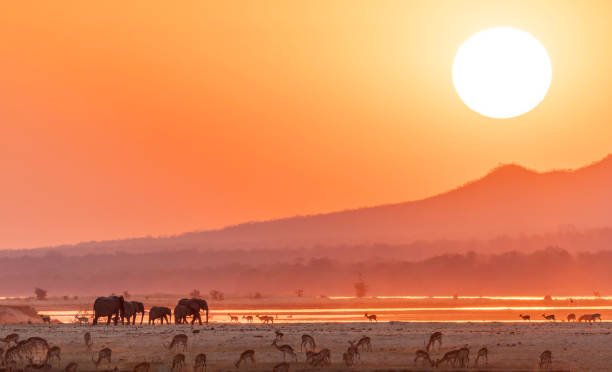
Selecting **which country in Africa is best for safari** depends largely on whether a traveler seeks the massive terrestrial migrations of the Serengeti or the rare primate encounters found within the emerald forests of Rwanda. Currently, Tanzania and Kenya are often considered the top contenders because they host the Great Wildebeest Migration, which involves over one point five million animals moving across the plains in a spectacular display of nature. However, nations like Botswana and South Africa provide distinct advantages in terms of luxury, exclusivity, and accessibility, making the choice a matter of personal preference and seasonal timing.
The African continent is home to an incredible variety of ecosystems that range from the arid pans of the Kalahari to the lush, water logged channels of the Okavango Delta. Exploring these diverse landscapes allows visitors to experience unique wildlife sightings while contributing to essential conservation efforts that protect the world's most endangered species.
These are the Countries and the African Country Which Is Best For Safari
When determining the African country which is best for safari, one must evaluate the density of the Big Five, the quality of professional guiding, and the availability of diverse transport methods such as open air vehicles, boats, or walking tours. While many nations offer exceptional wildlife viewing, a few have established themselves as world class leaders due to their well managed national parks and sustainable tourism models. Below is a detailed analysis of the top ten nations that provide the most immersive and rewarding safari experiences currently available on the continent.
1. Tanzania
Tanzania is frequently ranked as the top destination for wildlife enthusiasts because it contains some of the most iconic protected areas in the world, most notably the Serengeti National Park and the Ngorongoro Crater. The Serengeti spans approximately 14,750 square kilometers and is the primary stage for the Great Migration, where massive herds of wildebeest and zebras traverse the plains in search of fresh grazing lands. This nation offers a high probability of seeing the Big Five—lion, leopard, elephant, buffalo, and rhino—within a single trip, particularly in the enclosed ecosystem of the Ngorongoro Crater, which is a collapsed volcanic caldera. Tanzania’s southern circuit, including Nyerere National Park, provides a more remote and rugged experience for those looking to escape the busier northern crowds. The government’s commitment to preserving large tracts of land ensures that the wilderness remains pristine and teeming with life. For travelers seeking a combination of vast open plains and a high density of predators, Tanzania remains a premier choice for a traditional African adventure.
2. Kenya
Kenya is the historical home of the African safari and continues to be a favorite due to the legendary Maasai Mara National Reserve and its vibrant cultural heritage. The Maasai Mara is effectively the northern extension of the Serengeti, and it plays a crucial role during the river crossing phase of the Great Migration between July and October. Kenya is well known for its highly skilled professional guides, many of whom come from the local Maasai and Samburu communities and possess an intimate knowledge of the land. Beyond the Mara, Amboseli National Park offers some of the best views of Mount Kilimanjaro and is famous for its large herds of big tusked elephants wandering through the dusty plains. Kenya’s infrastructure is highly developed, offering a range of accommodations from budget friendly campsites to ultra luxurious bush homes. The country also boasts a diverse range of birdlife, with over 1,100 recorded species, making it a paradise for birdwatchers. The ease of connecting a bush safari with the white sand beaches of the coast makes Kenya a versatile and highly attractive destination.
3. Botswana
Botswana has pioneered a high value, low volume tourism model that makes it arguably the most exclusive and pristine **country in Africa best for safari** today. The centerpiece of Botswana’s wildlife offering is the Okavango Delta, a unique inland delta that floods annually, creating a lush labyrinth of lagoons and channels that attract an incredible concentration of animals. Travelers can explore the delta in traditional dugout canoes known as mokoros, providing a silent and intimate way to view hippos, crocodiles, and rare sitatunga antelopes. Chobe National Park is another highlight, containing one of the highest concentrations of elephants in Africa, often seen swimming across the Chobe River in large family groups. The Kalahari Desert offers a completely different perspective, with black maned lions and desert adapted species such as oryx and meerkats. Because Botswana limits the number of visitors in its private concessions, guests often feel as though they have the entire wilderness to themselves. This focus on exclusivity and environmental sustainability ensures that Botswana remains a top tier destination for luxury seekers.
4. South Africa
South Africa is widely considered the best option for first time travelers or families due to its exceptional infrastructure, diverse landscapes, and world renowned Kruger National Park. The Kruger is one of the largest and most accessible game reserves in Africa, featuring an extensive network of roads that allow for both self drive adventures and guided tours. For those seeking a more luxurious experience, the private reserves bordering the Kruger, such as Sabi Sands and Timbavati, are famous for their incredibly high density of leopards and ultra high end lodges. South Africa is also a leader in malaria free safari options, with parks like Madikwe and Addo Elephant National Park providing safe environments for families with young children. The nation’s unique geography allows travelers to combine a morning game drive with an afternoon visiting world class vineyards or exploring the vibrant city of Cape Town. This diversity of experiences, paired with some of the best culinary offerings on the continent, makes South Africa a consistently top ranked destination. The ease of access through major international airports further enhances its appeal to global visitors.
5. Namibia
Namibia offers a safari experience that is starkly beautiful and unlike any other on the continent, defined by its massive sand dunes and desert adapted wildlife. Etosha National Park is the primary wildlife destination here, centered around a vast salt pan that is so large it can be seen from space. During the dry season, thousands of animals including lions, elephants, and the endangered black rhino congregate around the permanent waterholes, making wildlife viewing exceptionally easy and predictable. Beyond Etosha, the Kunene region is home to rare desert adapted elephants and giraffes that have evolved to survive in one of the harshest environments on Earth. Namibia is also famous for its dramatic landscapes, such as the towering red dunes of Sossusvlei and the haunting Skeleton Coast, where the desert meets the Atlantic Ocean. The country is ideal for self drive enthusiasts who enjoy long, scenic journeys through wide open spaces with minimal traffic. Namibia’s focus on community based conservation has been a major success, allowing local people to benefit directly from the protection of wildlife and their natural habitats.
6. Zambia
Zambia is often described as the "hidden gem" of African safaris and is the undisputed birthplace of the walking safari, an experience that allows guests to track big game on foot. South Luangwa National Park is the flagship reserve, known for its high leopard population and its beautiful oxbow lakes that attract hippos and elephants in great numbers. Lower Zambezi National Park offers a different perspective, where visitors can enjoy canoe safaris along the river, watching animals come down to the water's edge to drink. Zambia is prized for its remote and authentic atmosphere, with many small, owner run bush camps that focus on a deep connection with nature rather than flashy luxury. The country is also home to Victoria Falls, which provides a dramatic start or end point for any wildlife itinerary. Because Zambia remains less commercialized than its neighbors, the guiding standards are exceptionally high, and the bush feel is palpable. For the adventurous traveler who wants to get out of the vehicle and experience the sights, sounds, and smells of the African bush, Zambia is a perfect choice.
7. Zimbabwe
Zimbabwe has regained its status as a top safari destination thanks to its legendary professional guides and some of the most diverse national parks in Southern Africa. Hwange National Park is the largest in the country and is famous for its massive elephant herds and its incredible variety of birdlife and predators. Mana Pools National Park, a UNESCO World Heritage site, is renowned for its walking and canoeing safaris, where visitors can encounter bulls elephants that have learned to stand on their hind legs to reach high branches. Zimbabwe’s guides are often considered the most rigorously trained on the continent, requiring years of study and practical exams before they can lead guests into the wilderness. The country also offers unique geological features like the Matobo Hills, where ancient San rock art and a high concentration of rhinos can be found among the balancing boulders. Despite past political challenges, the tourism industry in Zimbabwe has remained resilient and deeply committed to conservation. The combination of world class guiding and pristine, uncrowded parks makes it a favorite for seasoned safari goers.
8. Rwanda
Rwanda has transformed itself into a leader in luxury eco tourism, focusing primarily on the rare and moving experience of mountain gorilla trekking in Volcanoes National Park. While it does not offer the vast savannah plains of its neighbors, the opportunity to sit just meters away from a silverback gorilla in its natural habitat is often described as a life changing event. Rwanda has also successfully reintroduced lions and rhinos to Akagera National Park, making it a "Big Five" destination once again and providing a more traditional safari experience to complement the forest treks. The country is known for its cleanliness, safety, and high end lodges that are designed to have a minimal environmental footprint. Nyungwe Forest National Park offers spectacular canopy walks and chimpanzee trekking, adding to the nation's appeal for primate lovers and birdwatchers. Rwanda’s small size makes it easy to navigate, allowing travelers to experience a variety of landscapes in a relatively short period. The government's focus on high value tourism ensures that the parks are never overcrowded and that the conservation fees directly support the protection of endangered species.
9. Uganda
Uganda is famously called the "Pearl of Africa" due to its incredible biodiversity, which includes both the vast savannahs of East Africa and the dense rainforests of Central Africa. It is one of the few places where you can see mountain gorillas in Bwindi Impenetrable Forest and then travel a short distance to see tree climbing lions in Queen Elizabeth National Park. Murchison Falls National Park is another highlight, where the Nile River is squeezed through a narrow gorge, creating a powerful waterfall and a fertile habitat for large numbers of elephants and giraffes. Uganda is a premier destination for birdwatchers, with over 1,000 species including the rare shoebill stork often found in its wetlands. The country is also home to the Kibale Forest, which has the highest density of primates in Africa and offers exceptional chimpanzee habituation experiences. While the infrastructure in some areas is still developing, the warmth of the Ugandan people and the raw beauty of the landscapes make it a rewarding destination for those who enjoy a bit of off the beaten path exploration. Uganda offers a more affordable alternative to Rwanda for gorilla trekking, without sacrificing the quality of the encounter.
10. Malawi
Malawi is currently experiencing a wildlife renaissance and is becoming an increasingly popular **African country which is best for safari** for those looking for a unique and peaceful experience. Following massive translocation projects by organizations like African Parks, reserves such as Liwonde and Majete have been restored to their former glory and now host the Big Five. Malawi is often referred to as the "Warm Heart of Africa" because of the friendliness of its people and the beautiful scenery surrounding Lake Malawi, which offers excellent snorkeling and diving. A safari in Malawi is often more relaxed, focusing on the beauty of the landscape and the intimate sightings of leopards, cheetahs, and elephants in the revitalized parks. The country is ideal for travelers who want to avoid the crowds of more famous destinations and enjoy a slower pace of life. Combining a traditional bush safari with a few days of relaxation on the shores of the lake provides a perfect balance for a holiday. As its wildlife populations continue to grow, Malawi is firmly establishing itself as a serious contender on the regional safari map.
Reasons Why These Countries Are Best For Safari in Africa
1. Exceptional Biodiversity and Habitat Protection: One of the primary reasons these nations are considered the best is their commitment to preserving massive, contiguous ecosystems that allow wildlife to thrive naturally. For example, Tanzania has set aside over thirty percent of its land for conservation, ensuring that migratory routes remain open for millions of animals. This level of habitat preservation is crucial for maintaining the healthy populations of predators and prey that travelers come to see. Without large scale government and community support for these parks, the high density of wildlife would quickly disappear due to human encroachment.
2. High Standards of Professional Guiding: The quality of a safari experience is often determined by the knowledge and expertise of the person leading the tour. **African countries that are best for safari**, particularly Zimbabwe and Kenya, have established rigorous training programs and licensing requirements for their guides. These professionals are not only experts in animal behavior but are also well versed in ecology, history, and local culture, which adds immense depth to the journey. A great guide can turn a simple lion sighting into a fascinating lesson on social structures and survival tactics in the wild.
3. Development of Sustainable Eco-Tourism: Many of these top destinations have shifted toward sustainable tourism models that prioritize the environment and local communities over mass market profits. Rwanda and Botswana are prime examples of nations that limit visitor numbers to reduce the ecological impact on fragile habitats like mountain forests and inland deltas. This approach ensures that the "wilderness" stays wild and that the revenue generated from tourism goes directly into anti poaching efforts and community development projects. Travelers today are increasingly looking for experiences that are both ethical and environmentally responsible, making these countries highly attractive.
4. Diverse Range of Safari Activities: The best safari nations offer more than just traditional game drives in a 4x4 vehicle, allowing visitors to engage with nature in various ways. Zambia and Zimbabwe are world leaders in walking safaris, while Botswana and Uganda provide exceptional water based excursions via boat or canoe. These diverse activities provide a multi dimensional view of the environment and allow for closer encounters with smaller creatures and plants that are often missed from a car. Having a variety of ways to explore the bush keeps the experience fresh and exciting for travelers who are spending multiple weeks on the continent.
5. Established Infrastructure and Accessibility: While the goal of a safari is to get into the wild, the ease of getting there is a significant factor for many travelers. South Africa and Kenya have world class airports and internal flight networks that make jumping between different parks and regions seamless and efficient. These countries also offer a wide spectrum of accommodation options, ranging from rugged fly camps to some of the most luxurious hotels in the world. Good infrastructure ensures that even the most remote areas are reachable within a few hours, allowing visitors to maximize their time spent viewing wildlife rather than traveling on rough roads.
6. Successful Wildlife Reintroduction Programs: Several nations on this list have made incredible strides in bringing species back from the brink of local extinction through innovative conservation management. Malawi and Rwanda have seen the successful reintroduction of lions, rhinos, and cheetahs into their parks after decades of absence, restoring the ecological balance. These success stories provide hope for the future of African wildlife and offer travelers the chance to see conservation in action. Watching a newly established pride of lions thrive in a restored park adds a powerful narrative of resilience and recovery to the safari experience.
Conclusion
In summary, choosing **which country in Africa is best for safari** ultimately depends on a traveler's specific interests, whether it is the classic savannah scenes of Kenya and Tanzania or the exclusive water channels of Botswana. Each of these **African countries that are best for safari** offers a unique perspective on the natural world, supported by professional guiding and a deep commitment to environmental conservation. While South Africa provides the most accessibility and variety, nations like Zambia and Zimbabwe remain the go to spots for those seeking a more rugged and authentic walking adventure. As the tourism industry continues to evolve, the focus on sustainability and community involvement ensures that these magnificent wilderness areas will be protected for generations to come. No matter which destination is selected, a safari on the African continent remains one of the most profound and memorable travel experiences available on the planet today.
Enjoyed this read?
Share it with your friends and colleagues.