Which Country Has Most Islands In Africa

BSC Insights Admin
September 30, 2026
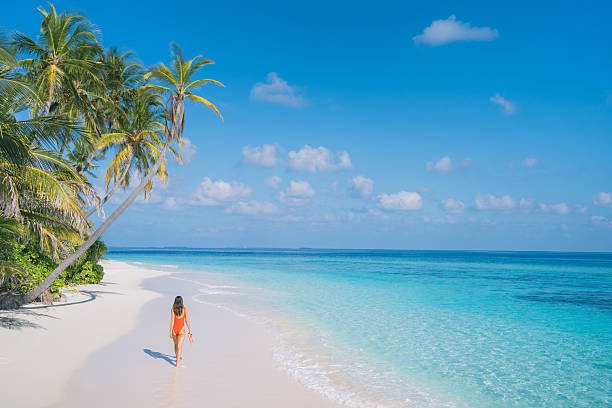
Determining which country that has most islands in Africa requires an analysis of both sovereign archipelago nations and mainland countries with extensive offshore territories. The Republic of Seychelles holds the top position as the most island-dense sovereign state, officially consisting of 115 diverse islands spread across the Indian Ocean. This geographical layout makes it a global leader in marine conservation and a premier destination for those seeking pristine tropical environments.
The distribution of these islands plays a crucial role in the continent's blue economy and maritime security strategies. From the volcanic peaks of the Atlantic to the coral atolls of the Indian Ocean, these landmasses define the territorial reach of many African nations.
These are the Countries that have the most islands in Africa
The African continent is surrounded by a vast array of island systems that are either volcanic, granitic, or coralline in nature. While some nations are entirely made up of islands, others possess large archipelagos that extend their maritime borders deep into the surrounding oceans. These island groups are not just geological curiosities but are home to unique cultures, rare endemic species, and critical economic resources. Understanding the African country which has most islands involves looking at the specific counts and the geographical categories of these landmasses. Below, we explore the nations with the highest number of offshore islands and islets, providing a clear picture of the continent's maritime geography.
1. Seychelles
Seychelles is widely recognized as the definitive archipelago nation, consisting of 115 islands that are divided into two distinct groups. The Inner Islands are primarily granitic, featuring the mountainous landscapes seen on Mahe, Praslin, and La Digue, which are unique because they are the only mid-ocean granitic islands in the world. The Outer Islands are mainly coralline, including the famous Aldabra Atoll, which is one of the largest raised coral atolls on the planet. This vast count of islands gives Seychelles a massive Exclusive Economic Zone despite its small total land area. The nation has utilized its unique geography to lead the world in marine protection, with nearly half of its territory designated as protected areas. For any traveler or researcher looking for the country in Africa with most islands, the Seychelles serves as the most prominent example of an island-state identity.
2. Eritrea
Eritrea is a mainland nation that possesses a surprisingly high number of islands, primarily concentrated in the Dahlak Archipelago within the Red Sea. The Dahlak Archipelago alone consists of about 126 islands and islets, many of which are uninhabited but rich in biodiversity and historical significance. These islands were once major centers for pearl diving and served as strategic maritime hubs for ancient trade routes between the Mediterranean and the Indian Ocean. Only a few islands, such as Dahlak Kebir, are permanently inhabited, while the rest remain pristine environments for rare marine life and nesting sea birds. The coralline nature of these islands creates a complex underwater landscape that attracts scientists and divers from around the globe. Eritrea’s extensive island count often surprises people because the nation is primarily associated with its mainland coastal desert and highland regions.
3. Guinea-Bissau
Guinea-Bissau is home to the Bijagós Archipelago, which is one of the most culturally and ecologically significant island groups on the Atlantic coast of Africa. The archipelago consists of approximately 88 islands and islets, though only about 20 of these are inhabited year-round. This region is designated as a UNESCO Biosphere Reserve because of its incredible biodiversity, including rare saltwater crocodiles and hippos that have adapted to the marine environment. The Bijagós people have a unique matriarchal social structure and have successfully preserved their traditional way of life due to the isolation provided by the island geography. Navigating between these islands is a complex task involving shifting tides and dense mangrove forests that line many of the shores. This high island density makes Guinea-Bissau a key African country which has most islands along the western coastline of the continent.
4. Madagascar
Madagascar is the largest island in Africa, but it is also surrounded by hundreds of smaller satellite islands and islets that contribute to its high total count. Major tourist hubs like Nosy Be and Ile Sainte-Marie are well known, but the coastline is dotted with smaller volcanic and coralline landmasses like the Mitsio and Radama archipelagos. These smaller islands are critical for the protection of Madagascar's unique flora and fauna, often serving as refuges for species that are threatened on the main island. Some of these islets are merely rocky outcrops, while others support lush tropical forests and small fishing communities. The geographic isolation of these islands has led to high levels of endemism, meaning many plants and animals found there exist nowhere else on Earth. When counting every individual islet and rock, Madagascar’s total island count easily reaches into the hundreds, reflecting its status as a massive maritime power.
5. Cape Verde
Cape Verde, or Cabo Verde, is a volcanic archipelago located in the central Atlantic Ocean, consisting of 10 major islands and several smaller uninhabited islets. The islands are divided into two main groups: the Barlavento (windward) islands and the Sotavento (leeward) islands. While the count of ten major islands is what people usually see on maps, the nation also includes islets like Santa Luzia and the Ilhéus do Rombo, which are vital for conservation. The volcanic origins of these islands have created dramatic landscapes, from the active volcano on Fogo to the sandy beaches of Sal and Boa Vista. Cape Verde’s positioning in the Atlantic makes it a vital bridge between Africa, Europe, and the Americas, historically serving as a crucial stopover for sailors. The nation’s identity is deeply tied to the sea, and its maritime territory is many times larger than its actual landmass.
6. Tanzania
Tanzania is synonymous with the Zanzibar Archipelago, which includes the primary islands of Unguja and Pemba, but the total count of islands under Tanzanian jurisdiction is much higher. There are over 50 smaller islands and coral outcrops surrounding the main Zanzibar islands, along with the Mafia Island archipelago further south. These islands have been centers of the spice trade and Swahili culture for over a millennium, blending African, Arab, and Indian influences. Many of the smaller islets are used for day trips by tourists or as seasonal camps for artisanal fishers who follow the movement of the tides. The reefs surrounding these islands are some of the most productive in East Africa, supporting a vast array of marine life and providing food security for coastal populations. Tanzania’s geography highlights how a mainland nation can have a very distinct and powerful island-based cultural and economic sector.
7. Mauritius
Mauritius is an island nation that includes the main island of Mauritius, Rodrigues, and several outer islands like Agaléga and the St. Brandon archipelago. St. Brandon, also known as the Cargados Carajos Shoals, is a collection of over 50 small islands, islets, and sandbanks that are largely uninhabited and serve as critical bird sanctuaries. These outer islands are hundreds of kilometers away from the main island of Mauritius, significantly expanding the nation's maritime reach and resources. The islands are mostly coralline in the outer groups, whereas the main islands of Mauritius and Rodrigues are volcanic. Mauritius has successfully developed its blue economy by managing these diverse landmasses for tourism, fishing, and environmental research. The sheer number of tiny islets within the St. Brandon group alone places Mauritius high on the list of countries in Africa that have most islands in the Indian Ocean.
8. Tunisia
Tunisia possesses a significant number of islands in the Mediterranean Sea, which is somewhat rare for North African nations. The Kerkennah Islands are an archipelago of six islands, while Djerba is the largest island in North Africa and a major hub for tourism and history. Additionally, Tunisia has smaller, more rugged island groups like the Galite Islands and the Zembra and Zembretta archipelago, which are protected as national parks. These islands have a long history of human habitation, from the Phoenicians and Romans to the modern era, and many contain ancient ruins. The maritime environment around these islands is diverse, ranging from shallow seagrass meadows to deep rocky reefs. Tunisia’s islands provide a unique Mediterranean flavor to the continent’s geography, offering a different ecological and cultural experience compared to the tropical islands of the south.
9. Comoros
The Comoros is a volcanic archipelago located in the Mozambique Channel, consisting of three major sovereign islands: Grande Comore, Mohéli, and Anjouan. While the number of main islands is small, the archipelago includes numerous smaller islets and rocks that are part of the volcanic complex. The islands are known for their rugged terrain, active volcanoes like Mount Karthala, and their unique blend of African, French, and Arab cultures. The isolation of the Comoros has allowed for the preservation of rare species, such as the Coelacanth fish, which was once thought to be extinct. The maritime territory between the islands is a critical corridor for whale migrations and other large marine mammals. Despite being one of the smaller nations in terms of total land area, the Comorian archipelago is a vital geographical feature of the southern Indian Ocean.
10. Sao Tome and Principe
Sao Tome and Principe is the second-smallest African nation and consists of two main volcanic islands along with several smaller islets like Ilhéu Bom Bom and Ilhéu das Rolas. These islands are located in the Gulf of Guinea and are part of the "Cameroon Line" of volcanoes that extend from the mainland into the ocean. The islands are famous for their lush rainforests, cocoa plantations, and dramatic basaltic peaks like the Pico Cão Grande. Ilhéu das Rolas is particularly famous because it sits directly on the Equator, allowing visitors to stand in both the northern and southern hemispheres at the same time. The total count of smaller islets surrounding the two main islands is relatively modest, but their ecological importance is massive. These islands serve as a biological bridge between the mainland and the deep ocean, hosting many species of birds and plants that are found nowhere else.
| Country Name | Estimated Island/Islet Count | Primary Ocean/Sea | Main Archipelago Name |
|---|---|---|---|
| Seychelles | 115 | Indian Ocean | Inner and Outer Islands |
| Eritrea | 126+ | Red Sea | Dahlak Archipelago |
| Guinea-Bissau | 88 | Atlantic Ocean | Bijagós Archipelago |
| Cape Verde | 10 Main / Many Islets | Atlantic Ocean | Barlavento and Sotavento |
| Madagascar | 1 Main / Hundreds of Islets | Indian Ocean | Nosy Be, Mitsio, Radama |
| Mauritius | 50+ (St. Brandon group) | Indian Ocean | St. Brandon / Agaléga |
Reasons Why These Countries Have Most Islands in Africa
1. Volcanic Activity along Tectonic Ridges: Many countries in Africa that have most islands owe their geography to intense volcanic activity millions of years ago. As tectonic plates moved and magma rose through hotspots in the Earth's crust, underwater volcanoes grew until they breached the surface of the ocean. Nations like Cape Verde, Comoros, and Sao Tome and Principe are the direct results of this process, which creates rugged, mountainous islands with fertile soil. This volcanic history often leads to the formation of central main islands surrounded by smaller volcanic vents that become islets over time.
2. Extensive Coral Growth and Atoll Formation: In the warmer waters of the Indian Ocean, coral polyps have built massive structures over thousands of years, leading to the creation of coralline islands. The Seychelles and the outer islands of Mauritius are prime examples of which country that has most islands in Africa due to these biological processes. As underwater mountains or extinct volcanoes subsided, coral reefs continued to grow upwards, eventually forming ring-shaped atolls or low-lying sandy cays. This process can create hundreds of tiny islets within a single reef system, significantly boosting a nation's total island count.
The Role of Continental Drift and Fragmentation
3. Fragmentation of Continental Shelves: Some island groups were formed when parts of the main African continent broke off due to tectonic forces and rising sea levels. The granitic Inner Islands of the Seychelles are actually fragments of the ancient supercontinent Gondwana that were left behind as India and Madagascar drifted away. This continental fragmentation results in islands with very different rock types and ecosystems compared to volcanic or coral islands. Because these fragments are often jagged and irregular, they create numerous smaller outcrops and satellite islands around the larger masses.
4. River Deltas and Estuarine Deposition: Along the mainland coasts, massive river systems carry sediment that is deposited at the mouth of the river, creating complex networks of islands and islets. Guinea-Bissau is a classic example of a country in Africa with most islands formed through a combination of sinking coastlines and river deposition. The Bijagós Archipelago was once part of the mainland, but as the land subsided and rivers carved out channels, it transformed into a maze of 88 islands. These estuarine islands are often characterized by dense mangrove forests and a constantly shifting geography influenced by the tides.
5. Sea Level Fluctuations and Islet Isolation: Over geological time, the rising and falling of sea levels has periodically connected and disconnected various coastal hills from the mainland. During periods of high sea levels, coastal mountain ranges become archipelagos, while low-lying areas become submerged, leaving only the peaks exposed as islands. This process has contributed to the island counts of nations like Tunisia and Eritrea, where ancient coastal features are now separated from the mainland by shallow seas. These fluctuations ensure that the number of visible islands can change over thousands of years, creating unique habitats for isolated species.
6. Strategic Territorial Claims and Administration: Some nations have high island counts because they have successfully claimed and maintained control over distant offshore territories. Mauritius, for example, maintains its sovereignty over the distant St. Brandon and Agaléga islands, which adds dozens of islets to its official national count. These distant territories are essential for expanding a nation's Exclusive Economic Zone, allowing for greater access to fishing grounds and potential subsea resources. Political and historical factors, such as colonial-era demarcations, have also influenced which islands belong to which modern African nation.
Conclusion
In summary, while several nations have extensive archipelagos, the Seychelles remains the specific which country that has most islands in Africa among sovereign states with its 115 unique landmasses. However, mainland countries like Eritrea and Guinea-Bissau also feature prominently on this list due to their vast and biodiverse archipelagos in the Red Sea and Atlantic Ocean respectively. These islands are foundational to the ecological health and economic potential of the continent, providing essential habitats for endemic species and serving as hubs for the global tourism industry. As climate change and rising sea levels pose new threats to these low-lying areas, the preservation of Africa's islands has become a matter of international importance. Understanding the distribution and origins of these islands allows us to better appreciate the incredible geographical diversity that defines the African maritime landscape.
Enjoyed this read?
Share it with your friends and colleagues.