Did World War 2 Affect Africa

BSC Insights Admin
October 07, 2026
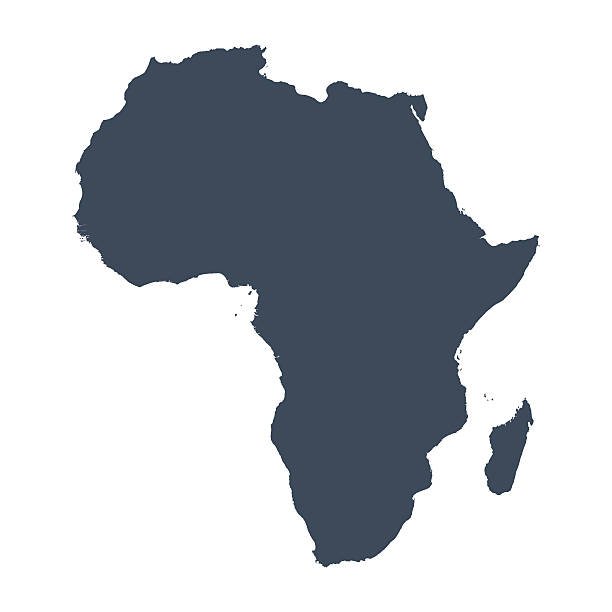
Yes, World War 2 profoundly affected Africa, serving as a critical catalyst for immense political, economic, and social transformations across the continent. While often overshadowed by European and Asian battlefronts, Africa was not merely a passive spectator but a vital participant, providing strategic resources, soldiers, and battlegrounds that irrevocably altered its trajectory and accelerated the push towards decolonization.
Africa's Strategic Significance in World War 2
Africa's geographical position and rich natural resources made it a crucial theater and supply base for both the Allied and Axis powers during World War 2. The continent's strategic location along vital sea lanes, particularly the Suez Canal, was indispensable for controlling access to oil from the Middle East and trade routes to Asia. Consequently, the various colonial powers with holdings in Africa leveraged the continent's assets to fuel their war efforts, often at a significant cost to the African populations.
Key Resources Exploited
- Minerals: Vast reserves of copper, tin, manganese, chromium, and diamonds from regions like the Belgian Congo, South Africa, and Rhodesia were critical for wartime industries.
- Agricultural Products: Rubber, palm oil, cotton, cocoa, and various food crops from West and East Africa were essential for sustaining both European populations and military personnel.
- Oil: Though not as prominent as Middle Eastern oil, petroleum from North Africa became increasingly significant.
Military Campaigns on African Soil
Africa became a battleground for significant military campaigns, primarily in North and East Africa. These engagements involved massive armies and had direct consequences for the local populations and infrastructure.
The North Africa Campaign (1940-1943)
Often referred to as the Desert War, the North Africa Campaign was a pivotal struggle between the Allied forces (primarily British Commonwealth, American, and Free French) and the Axis powers (Italy and Germany). This campaign began with Italy's invasion of Egypt and expanded into a grueling war across Libya, Tunisia, Algeria, and Morocco.
- Major Battles: Iconic battles such as El Alamein, Operation Torch, and the Tunisia Campaign were fought across vast desert landscapes, causing widespread destruction and displacement.
- Strategic Importance: Control over North Africa was vital for safeguarding the Suez Canal and projecting power into Southern Europe. The Allied victory here prevented Germany from accessing Middle Eastern oil and provided a launchpad for the invasion of Italy.
- Impact on Locals: Civilian populations faced bombardment, resource requisition, forced labor, and displacement. The war exacerbated existing tensions and introduced new forms of hardship.
The East Africa Campaign (1940-1941)
This campaign involved the British Commonwealth forces (including significant contributions from African soldiers) fighting against Italian forces in Italian East Africa (Eritrea, Ethiopia, and Italian Somaliland). The objective was to eliminate Italy's colonial presence and secure the Horn of Africa.
- Key Players: British, Indian, South African, Rhodesian, Nigerian, Gold Coast (Ghanaian), Kenyan, and Sudanese troops played crucial roles.
- Outcome: The Allied victory liberated Ethiopia from Italian occupation and removed a significant Axis threat in the region, demonstrating the effectiveness of diverse Allied forces.
African Contributions to the Allied War Effort
Africans contributed significantly to the war effort, both as soldiers fighting on various fronts and as laborers supporting the colonial economies. This involvement, however, came at a great human cost and often highlighted the inherent contradictions of colonial rule.
African Soldiers and Service Personnel
Hundreds of thousands of African soldiers were conscripted or volunteered to fight for their colonial masters. These troops served in various theaters, often facing discrimination and harsh conditions, yet fighting with courage and distinction.
- Numbers: Approximately 1.2 million Africans served in various capacities during WW2. For example, over 370,000 served in the British colonial armies (e.g., King's African Rifles, Royal West African Frontier Force), and over 100,000 in the French colonial army.
- Deployment: African soldiers fought not only in Africa but also in Europe (e.g., Italian Campaign), the Middle East, and Asia (e.g., Burma Campaign).
- Experiences: Despite their valor, African soldiers often received lower pay, faced segregation, and were denied the same recognition as their European counterparts. However, their experiences abroad exposed them to new ideas of freedom, equality, and anti-colonialism, which they brought back home.
Labor and Resource Mobilization
The war led to an intensified extraction of African resources and labor. Colonial administrations implemented coercive measures to increase production of strategic materials.
- Forced Labor: In many colonies, Africans were forced to work in mines, plantations, and infrastructure projects to support the war economy. This often involved poor conditions, low wages, and disruption of traditional livelihoods.
- Resource Boom: While some regions experienced an economic boom due to increased demand for their raw materials, the benefits rarely trickled down to the African populace. Instead, the profits flowed primarily to colonial powers and European companies.
Economic Impacts on Africa
The economic impact of World War 2 on Africa was multifaceted, leading to both short-term shifts and long-term structural changes.
Disruption and Demand
- Trade Disruption: War-related shipping shortages and submarine warfare disrupted traditional trade routes, making it difficult for African countries to import manufactured goods and export their products.
- Increased Demand for Raw Materials: European war efforts created an insatiable demand for African raw materials, leading to increased production in sectors like mining and agriculture. While this initially boosted some colonial economies, it often involved exploitative labor practices.
- Inflation and Shortages: The diversion of resources to the war effort, coupled with supply chain disruptions, led to severe inflation and shortages of essential goods for African consumers, eroding their purchasing power.
Industrialization and Infrastructure
In some areas, the war stimulated limited industrialization as colonial powers sought to reduce dependence on distant supplies. Infrastructure development, such as roads, railways, and airfields, was accelerated in strategic locations to facilitate military movements and resource extraction. However, this development was primarily for colonial benefit, not for fostering independent African economies.
Social and Cultural Transformations
World War 2 acted as a powerful accelerant for social and cultural change, challenging existing norms and laying the groundwork for future movements.
Urbanization and Migration
The demands of war industries and the concentration of military personnel led to increased migration from rural areas to urban centers and military bases. This rapid urbanization brought about new social structures, family dynamics, and a growing sense of collective identity.
Changing Gender Roles
With men away fighting or engaged in forced labor, women took on roles traditionally performed by men, particularly in agriculture and some urban industries. This shift, though temporary in many cases, challenged patriarchal norms and demonstrated women's capabilities, contributing to a gradual re-evaluation of their societal position.
Exposure to New Ideas
African soldiers returning from overseas brought back new perspectives. They had fought alongside Europeans, witnessed the devastation of war, and been exposed to ideas of self-determination and racial equality that contradicted the colonial narrative. This intellectual ferment fueled nascent nationalist movements.
Political Consequences: The Road to Independence
Perhaps the most profound long-term effect of World War 2 on Africa was its decisive role in accelerating the continent's path to independence. The war significantly weakened the European colonial powers and emboldened African nationalist movements.
Weakening of Colonial Powers
- Economic Exhaustion: Britain and France, the primary colonial powers in Africa, emerged from the war economically exhausted and heavily indebted. Their capacity to maintain vast colonial empires was severely diminished.
- Moral Decline: The war exposed the hypocrisy of colonial powers fighting for freedom and democracy in Europe while denying it to their colonial subjects. The ideals of the Atlantic Charter, promising self-determination, resonated strongly with African intellectuals and activists.
- Loss of Prestige: The defeat and occupation of colonial powers by Axis forces (e.g., France by Germany) shattered the myth of European invincibility and moral superiority.
Rise of African Nationalism
The war provided fertile ground for the growth of African nationalist movements. Returning soldiers, exposed to global politics and the idea of national self-determination, became key figures in advocating for independence. The economic hardships and increased exploitation during the war also fueled resentment against colonial rule.
- Political Mobilization: Existing political organizations gained momentum, and new ones emerged, organizing protests, strikes, and advocating for greater political representation and eventual independence.
- International Support: The rise of the United States and the Soviet Union as global powers, both generally anti-colonialist (albeit for different reasons), shifted the international political landscape, putting pressure on European powers to decolonize.
Post-War Disillusionment
Many Africans who had contributed to the war effort returned home expecting recognition and improved conditions. Instead, they often found a reinforced colonial system, leading to widespread disillusionment and a hardened resolve to fight for their own freedom. This disillusionment was a powerful force driving anti-colonial struggles in the decades that followed.
Long-Term Legacy of World War 2 in Africa
The legacy of World War 2 continues to shape Africa today, influencing its political boundaries, economic structures, and social dynamics.
- Accelerated Decolonization: The most immediate and significant legacy was the rapid decolonization of the continent in the 1950s and 1960s, a process directly accelerated by the war.
- Economic Structures: The wartime emphasis on raw material extraction often reinforced monocultural economies, making post-independence African nations vulnerable to global commodity price fluctuations.
- Political Instability: In some regions, the arbitrary borders drawn by colonial powers and the legacy of wartime divisions contributed to post-independence conflicts and political instability.
- Emergence of New Elites: The war fostered the rise of new African elites who had gained education, military experience, or political awareness, and who would go on to lead their nations to independence.
Conclusion
In conclusion, World War 2 had an undeniable and profound impact on Africa, transforming it from a colonial hinterland into a continent on the cusp of self-determination. From being a crucial theater of war and a vital source of resources and manpower, Africa experienced significant military, economic, and social upheavals. The conflict severely weakened the European colonial powers, ignited and intensified nationalist movements, and ultimately served as a powerful catalyst for the rapid decolonization wave that swept across the continent in the post-war era. The war's legacy is still evident in Africa's political landscape, economic structures, and the enduring quest for true sovereignty and development.
Enjoyed this read?
Share it with your friends and colleagues.