Which Is The Most Xenophobic Country In Africa

BSC Insights Admin
October 01, 2026
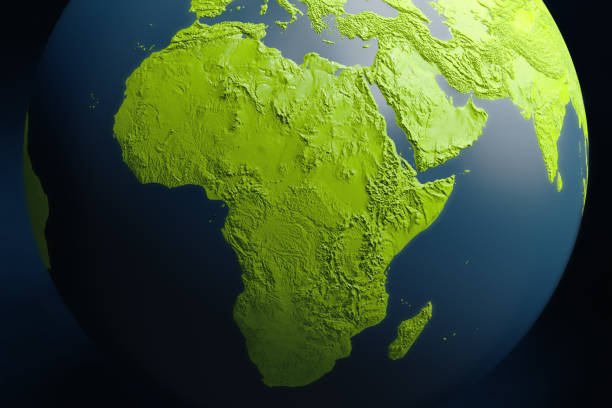
South Africa is frequently identified as the most xenophobic country in Africa due to recurring and highly publicized waves of targeted violence against foreign nationals from other African nations. These incidents, which often involve the looting of foreign owned businesses and physical displacement of migrant communities, have led to a significant loss of life and property over the last two decades. While many nations on the continent face social tensions, the intensity and frequency of organized anti-immigrant movements in this specific region have made it a focal point for international human rights monitors.
The underlying causes of these social tensions are often deeply rooted in economic competition and historical political developments that have shaped how local populations interact with newcomers. To understand the broader scope of this issue, it is necessary to examine several nations where systemic hostility toward foreign residents has been documented through statistical data and reported incidents.
These are the Countries that illustrate Which Is The Most Xenophobic Country In Africa
Identifying the prevalence of xenophobia requires looking at a combination of public sentiment surveys, government policies, and the frequency of civil unrest directed at foreigners. While South Africa remains the most prominent example, other nations in the North and West have also exhibited sharp increases in anti-migrant rhetoric and discriminatory practices. The following list details the countries where xenophobic sentiment has been particularly visible, providing context on the specific events and socioeconomic factors that drive these attitudes. Each entry reflects the complexities of how African countries that struggle with xenophobia manage their borders and their internal social cohesion during times of economic stress.
1. South Africa
South Africa is widely considered the country in Africa dealing with xenophobia most acutely because of the violent outbreaks that occurred in 2008, 2015, and 2019. During the 2008 riots, more than 60 people were killed and tens of thousands were displaced as mobs targeted migrants from Zimbabwe, Mozambique, and Nigeria. Many locals perceive foreign nationals as competitors for scarce jobs in a nation where the unemployment rate consistently hovers around 33 percent. The rise of groups like Operation Dudula has further institutionalized anti-immigrant sentiment by conducting marches and inspections of foreign businesses under the guise of law enforcement. This recurring violence has severely strained South Africa’s diplomatic relations with its neighbors, leading to retaliatory actions in countries like Nigeria. Despite various government interventions and social awareness campaigns, the deep seated resentment remains a volatile force in the nation's townships and urban centers. As an African country which exhibits xenophobic patterns, it faces the challenge of reconciling its inclusive constitution with the reality of grassroots hostility.
2. Tunisia
Tunisia has recently emerged as a significant point of concern for human rights organizations following a sharp rise in hostility toward sub-Saharan African migrants in early 2023. This shift was largely triggered by high level political rhetoric that characterized migrants as part of a conspiracy to change the country's demographic character. Following these statements, hundreds of sub-Saharan Africans, including documented students and workers, reported being evicted from their homes and physically assaulted in the streets. Many were forcibly moved to the desert borders with Libya and Algeria, leading to a humanitarian crisis that drew condemnation from the African Union. The climate of fear led many long term residents to flee the country, causing a massive disruption in the local labor market and educational institutions. This recent trend makes Tunisia a country in Africa known for xenophobia in contemporary geopolitical discussions.
3. Libya
Libya is frequently cited in international reports as a country where foreign nationals, particularly those in transit to Europe, face extreme forms of xenophobia and exploitation. Due to the lack of a centralized government and the proliferation of armed militias, migrants are often subjected to arbitrary detention in horrific conditions. Reports from the United Nations have documented instances of human trafficking and modern slavery, where migrants are sold for labor or held for ransom. The general social atmosphere in many Libyan cities is one of suspicion toward outsiders, fueled by the instability and lawlessness that has persisted since 2011. While some of this is directed at all non-nationals, the most severe abuses are reserved for black sub-Saharan Africans who have little legal protection. The systemic nature of these abuses makes Libya a primary example of how political collapse can exacerbate xenophobic tendencies.
4. Equatorial Guinea
Equatorial Guinea has a long history of mass expulsions of foreign workers, particularly those from neighboring Cameroon and Gabon. As one of the wealthiest nations per capita due to its oil reserves, it attracts many laborers from across the region who seek better economic opportunities. However, the government has frequently launched clean up operations where thousands of foreign nationals are rounded up and deported, often without notice or the ability to collect their belongings. These actions are often justified as security measures, but they frequently target specific ethnic groups or nationalities. The social divide between the wealthy elite and the migrant labor force has created a culture of exclusion that makes life difficult for non-citizens. This persistent pattern of exclusion places it high on the list of countries where foreign nationals feel unwelcome and unsafe.
5. Algeria
Algeria has faced criticism for its large scale deportations of sub-Saharan migrants into the Sahara desert, a practice that has been described as both xenophobic and inhumane. Since 2017, thousands of people, including children and pregnant women, have been rounded up in urban centers and transported to the border with Niger. Many are forced to walk long distances in extreme heat with limited water, leading to numerous deaths and disappearances. The domestic narrative often portrays these migrants as a threat to national security or as carriers of disease, which fuels public support for the expulsions. While Algeria maintains strong ties with many African governments, its treatment of individual migrants on the ground tells a different story. This highlights the disconnect between high level continental diplomacy and the reality of xenophobic practices at the grassroots and administrative levels.
6. Morocco
Morocco serves as a major transit point for migrants aiming to reach Europe, which has led to a complex and often hostile relationship between the local population and foreign nationals. While the government has implemented some regularization programs for migrants, there have been numerous reports of violent crackdowns by security forces. Incidents at the borders of Melilla and Ceuta have resulted in significant casualties, with human rights groups accusing the state of using excessive force against unarmed migrants. In cities like Casablanca and Tangier, sub-Saharan Africans often face discrimination in housing and employment, being pushed into informal settlements. The pressure from European nations to act as a border guard has placed Morocco in a position where it frequently displaces migrant communities to the southern parts of the country. This creates a cycle of vulnerability and social friction that characterizes the migrant experience in the region.
7. Gabon
Gabon has periodically engaged in mass expulsions of foreign nationals, notably in the 1960s, 1970s, and as recently as the late 2000s. The country’s relative wealth and small population make it a magnet for workers from across Central and West Africa. However, whenever the economy faces a downturn, the government and the public often turn their frustrations toward the foreign community. In 1978, for example, more than 10,000 Beninese residents were expelled following a diplomatic row and rising local resentment. These events have left a legacy of uncertainty for the hundreds of thousands of foreigners who currently live and work in the country. The cycle of dependency on foreign labor followed by periodic rejection remains a defining feature of Gabon’s social landscape.
8. Kenya
Kenya has faced challenges with xenophobia particularly directed at its Somali population and refugees living in camps like Dadaab. Following a series of terrorist attacks by Al-Shabaab, the government and some sections of the public began to view the Somali community with suspicion. This led to Operation Usalama Watch, where thousands of Somalis were rounded up in the Eastleigh neighborhood of Nairobi and detained for security screenings. Many reported harassment and extortion by police officers during these operations. The rhetoric surrounding the closure of refugee camps often frames the residents as a burden on the economy and a threat to national safety. This creates a difficult environment for both Kenyan-Somalis and foreign nationals from the Horn of Africa who are trying to integrate into the local economy.
9. Zambia
Zambia experienced a notable wave of xenophobic violence in 2016, which primarily targeted Rwandan refugees and business owners in the capital, Lusaka. The riots were sparked by rumors that foreigners were involved in ritual killings, a common trope used to incite mob violence in various parts of the continent. Shops were looted and hundreds of people had to seek shelter in police stations and churches to escape the violence. While the Zambian government was quick to condemn the attacks and restore order, the incident revealed a latent xenophobia that can be easily triggered by misinformation. This event serves as a reminder that even in countries known for their hospitality, economic frustration and superstition can quickly turn into targeted aggression. Zambia continues to host a large number of refugees, but the social integration of these groups remains a work in progress.
10. Botswana
Botswana is often praised for its stability, but it has faced accusations of xenophobia, particularly directed toward Zimbabwean migrants fleeing economic collapse. Many Batswana perceive Zimbabweans as a threat to their jobs and a cause of increased crime rates in cities like Gaborone. The government has implemented strict border controls and frequently carries out mass repatriations of undocumented Zimbabweans. Public discourse often includes negative stereotypes about the criminality of foreigners, which has led to social exclusion and discrimination in the informal sector. Unlike the violent riots seen in South Africa, xenophobia in Botswana is often more bureaucratic and social in nature. Nevertheless, the feeling of being an unwanted other is a common experience for many migrants living within its borders.
11. Ivory Coast
The Ivory Coast has historically struggled with a concept known as Ivoirite, which was used by politicians to define who was a true Ivorian and who was a foreigner. This ideology was particularly directed at migrants from Burkina Faso and Mali who had lived in the country for generations to work on cocoa plantations. During the late 1990s and early 2000s, this xenophobic rhetoric contributed to the outbreak of a civil war that divided the nation. Even today, the question of national identity remains a sensitive issue, and foreign residents often face hurdles in accessing land and political rights. While the situation has improved significantly since the end of the conflict, the underlying tensions regarding belonging and citizenship still simmer beneath the surface. This historical context shows how xenophobia can be used as a political tool to disenfranchise large portions of the population.
12. Egypt
Egypt hosts a large population of refugees and migrants from Sudan, Ethiopia, and Syria, who often face significant social and economic hurdles. While the government has traditionally been welcoming, recent economic pressures have led to increased friction in urban centers like Cairo. Migrants often report verbal harassment and physical intimidation in public spaces, driven by a perception that they are competing for subsidized goods and services. There have also been instances where foreign nationals were arrested and detained during political protests, even if they were not involved. The legal framework for refugees remains restrictive, making it difficult for them to find formal employment or access state healthcare. This environment of precariousness contributes to a sense of isolation and fear among the migrant communities living in Egypt.
Reasons Why These Countries Have High Levels of Hostility in Africa
1. Economic hardship and unemployment: The most significant driver for which country that is the most xenophobic in Africa is the struggle over limited resources and job opportunities. In nations with high unemployment rates, like South Africa, the local population often views migrants as people who take away work or drive down wages by accepting lower pay. This economic anxiety is easily channeled into resentment toward foreign business owners who are perceived as being more successful than the locals. When people feel that the government is failing to provide for them, they often look for a scapegoat, and visible foreign communities are the easiest targets.
2. Political scapegoating and populist rhetoric: Politicians in several African countries have discovered that anti-immigrant rhetoric is an effective way to galvanize support and distract from internal governance failures. By blaming migrants for crime, poor service delivery, or economic instability, leaders can redirect public anger away from themselves. The 2023 events in Tunisia are a perfect example of how a single political speech can spark a nationwide wave of hostility and violence. This type of populism often legitimizes xenophobic attitudes among the general public, making it harder to combat the issue through legal or social means.
3. Misinformation and social media influence: In the modern era, the rapid spread of fake news on platforms like WhatsApp and Facebook has played a major role in inciting xenophobic riots. Rumors about ritual killings, the kidnapping of children, or foreign nationals taking over certain neighborhoods can go viral in hours, leading to mob action before the truth can be established. In many cases, these rumors are intentionally started by organized groups to create chaos and profit from the subsequent looting. The lack of digital literacy and the speed of communication make it incredibly difficult for law enforcement to manage these situations once they start.
4. Historical identity and citizenship disputes: The way national identity was constructed during the colonial and post-colonial eras has left many countries with deep questions about who truly belongs to the nation. Concepts like Ivoirite in Ivory Coast were designed to exclude certain ethnic groups who were deemed foreign despite living in the country for generations. These disputes over citizenship and land rights often boil over into xenophobic sentiment during election cycles or periods of land reform. When the definition of a true citizen is narrow, anyone who falls outside that definition becomes a target for exclusion and hostility.
5. Poor border management and undocumented migration: The perception that borders are porous and that the country is being overrun by undocumented immigrants leads to a breakdown in social trust. When citizens feel that the state has lost control over its borders, they may take it upon themselves to police their communities, as seen with various vigilante movements. This lack of faith in the official immigration system encourages vigilantism and the harassment of anyone who looks or sounds like a foreigner. Effective migration management is essential for reducing the fear and uncertainty that often lead to xenophobic outbursts.
6. Lack of continental integration and awareness: Despite the efforts of the African Union to promote Pan-Africanism, many citizens still feel a stronger allegiance to their specific nation or ethnic group than to the continent as a whole. There is often a significant lack of education about the history of migration and the economic benefits that migrants bring to their host countries. This lack of awareness allows negative stereotypes to flourish, where foreigners are seen only as a burden rather than as contributors to the economy and culture. Without a cultural shift toward continental solidarity, the us versus them mentality will continue to drive xenophobic behavior across various regions.
Conclusion
South Africa remains the primary case study when determining which country that is the most xenophobic in Africa due to its consistent history of violent anti-migrant riots. However, the recent events in Tunisia and the systemic abuses in Libya demonstrate that xenophobia is a multifaceted issue affecting different regions of the continent for various economic and political reasons. Addressing this problem requires a concerted effort to improve economic opportunities for locals while protecting the human rights of migrants. As the continent moves toward greater integration, overcoming these prejudices will be essential for creating a truly unified and prosperous Africa. Only through education and responsible leadership can these nations begin to dismantle the harmful narratives that fuel xenophobic violence.
Enjoyed this read?
Share it with your friends and colleagues.