Which Is The Youngest Country In Africa

BSC Insights Admin
September 30, 2026
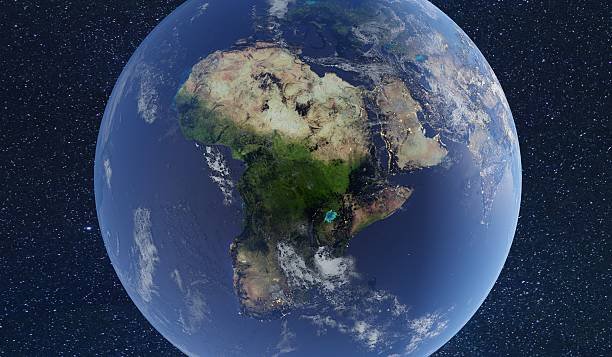
South Sudan is currently recognized as the youngest country in Africa because it officially gained its independence on July 9, 2011. This historic event took place after a massive referendum where the people of the southern region voted nearly unanimously to separate from the Republic of Sudan. As a sovereign state, it is the most recent nation to be admitted into both the African Union and the United Nations, marking a significant shift in the political geography of the continent.
The journey toward independence for many nations across the continent has been a complex process involving decades of struggle and diplomatic negotiations. Understanding the timeline of these events helps to illustrate why certain states are considered much younger than their neighbors in a modern political context.
These are the Countries that highlight Which Is The Youngest Country In Africa
To identify the youngest nations on the continent, we must look at the specific dates they achieved full sovereign status and international recognition. While the 1960s saw a wave of independence across the region, several nations emerged much later due to prolonged colonial struggles or secession from existing states. The following list details the most recently established countries, providing insights into their formation and the unique challenges they faced as they joined the global community of nations.
1. South Sudan
South Sudan officially became an independent nation in 2011, which confirms its status as the youngest country in Africa. This momentous transition followed the Comprehensive Peace Agreement of 2005, which ended one of the longest running civil wars on the continent. The referendum held in January 2011 saw an overwhelming 98.8 percent of voters choosing independence from the north. Since its birth, the nation has focused on building its domestic infrastructure and establishing a national identity amidst internal political complexities. As an African country which Is The Youngest Country In Africa, it continues to work with international partners to stabilize its economy, which is heavily reliant on oil production. The capital city, Juba, serves as the center for these nation building efforts as the country navigates its early years of statehood.
2. Eritrea
Eritrea achieved its independence from Ethiopia in 1993, making it one of the more recent additions to the continent's map. The path to sovereignty was paved by a thirty year war of independence that concluded when the Eritrean People's Liberation Front entered the capital, Asmara. A subsequent referendum held under the supervision of the United Nations confirmed the people's desire for a separate state with nearly total support. Following its independence, the nation focused on self reliance and social development, though it has faced significant challenges regarding its borders and regional relations. Eritrea holds a strategic position along the Red Sea, which makes its stability vital for international trade routes. It remains a unique example of a nation that successfully sought secession through both military and democratic means in the late twentieth century.
3. Namibia
Namibia is a relatively young nation that gained its independence from South Africa on March 21, 1990. Before this, the territory was known as South West Africa and was subject to a long and difficult struggle against the apartheid administration that governed it. The United Nations played a crucial role in the transition, overseeing the elections that led to the leadership of Sam Nujoma and the SWAPO party. Since becoming independent, Namibia has been praised for its political stability and its success in managing vast mineral resources like diamonds and uranium. The country is also a pioneer in environmental conservation, being one of the first in the world to include environmental protection in its constitution. Its journey highlights the success of international pressure and local resilience in overcoming institutionalized racial segregation.
4. Djibouti
Djibouti became an independent state in 1977, after a long period of being a French territory known as French Somaliland. Its independence was the result of multiple referendums and growing nationalist sentiment among the local populations. Despite its small geographic size, Djibouti is of immense strategic importance because it sits at the entrance to the Red Sea and the Suez Canal. This location has allowed the country to host several foreign military bases and develop a world class port system that serves landlocked neighbors like Ethiopia. The government has prioritized becoming a regional logistics hub, investing heavily in rail and maritime infrastructure. As a country in Africa Is The Youngest Country In Africa compared to the many that gained freedom in 1960, Djibouti represents a later phase of French decolonization.
5. Seychelles
The Seychelles is an archipelago nation that officially gained its independence from the United Kingdom on June 29, 1976. This island state transitioned from a colonial economy to one of the most prosperous nations in the region with a very high Human Development Index. Following independence, the country saw various political shifts but has ultimately settled into a stable democratic system with a focus on tourism and fisheries. The Seychelles is globally recognized for its commitment to marine conservation, protecting large swaths of its ocean territory to ensure long term ecological health. Its history as a young sovereign state is defined by its ability to leverage its unique natural beauty into sustainable economic growth. The nation continues to be a leading voice for small island developing states on the international stage.
6. Comoros
Comoros declared its independence from France in 1975, though the process was complicated by the island of Mayotte choosing to remain under French rule. This Indian Ocean nation is made up of several volcanic islands and has a rich history influenced by Arab, African, and French cultures. Since independence, Comoros has experienced numerous political transitions and constitutional reforms aimed at balancing power between the individual islands. The economy is largely agricultural, with the country being one of the world's largest producers of ylang-ylang and vanilla. Recent years have seen more focused efforts on improving governance and attracting foreign investment to develop its nascent tourism sector. The resilience of the Comorian people is evident as they continue to work toward a unified and prosperous national future.
7. Cape Verde
Cape Verde, or Cabo Verde, achieved its independence from Portugal on July 5, 1975, following the Carnation Revolution in Lisbon. Unlike many other nations that struggled with post colonial conflict, Cape Verde has become one of Africa's most stable and democratic countries. The nation consists of ten islands located in the central Atlantic Ocean and has limited natural resources, yet it has achieved middle income status through good governance and service industries. Its history is deeply intertwined with the struggle of Guinea-Bissau, as the same liberation movement fought for the freedom of both territories. Today, Cape Verde is a model for social development, with high rates of literacy and a vibrant cultural scene that includes the famous Morna music. It serves as a bridge between Africa, Europe, and the Americas due to its unique location and history.
8. Mozambique
Mozambique gained its independence from Portugal in 1975 after a decade of armed conflict led by the Frelimo movement. The transition to sovereignty was immediately followed by a devastating civil war that lasted until the early 1990s, severely impacting the nation's development. However, since the peace accords were signed, Mozambique has seen significant economic growth and the development of major natural gas and coal projects. The country possesses a stunning coastline along the Indian Ocean, which offers massive potential for tourism and maritime trade. While it still faces challenges related to poverty and climate change, the government has been proactive in seeking international investment to modernize its infrastructure. The resilience of the Mozambican people in the face of historical adversity remains a defining characteristic of this young nation.
9. Angola
Angola became an independent state in November 1975 after the collapse of Portuguese colonial rule. Similar to its fellow Portuguese speaking neighbors, the country entered a long and brutal civil war that only ended in 2002. Since the restoration of peace, Angola has used its vast oil and diamond wealth to rebuild its cities and invest in nationwide infrastructure. The capital city, Luanda, has undergone a massive transformation, becoming one of the most expensive and modern cities on the continent. Despite these gains, the nation is working to diversify its economy away from oil to ensure more inclusive growth for its citizens. Angola's influence in regional politics has grown significantly, and it now plays a key role in the stability of Central and Southern Africa.
10. Sao Tome and Principe
Sao Tome and Principe gained independence from Portugal in July 1975, making it one of the smallest and youngest nations on the continent. This island nation, located in the Gulf of Guinea, was originally a major producer of sugar and later cocoa during the colonial period. Since independence, it has maintained a peaceful democratic tradition with regular transfers of power through free elections. The economy is currently exploring opportunities in offshore oil, though agriculture and sustainable tourism remain the pillars of the local community. The country is known for its incredible biodiversity and lush rainforests, which the government is working to protect through international partnerships. As a small island state, it faces unique economic vulnerabilities but remains a peaceful and stable member of the African community.
11. Guinea-Bissau
Guinea-Bissau was the first of the Portuguese colonies in Africa to gain independence, officially recognized in 1974 after a unilateral declaration in 1973. The liberation struggle was led by the influential philosopher and revolutionary Amilcar Cabral, whose ideas continue to inspire movements across the globe. Since becoming sovereign, the nation has navigated a complex political path with several changes in government leadership. The economy is largely dependent on agriculture, with cashew nuts being the primary export that sustains the rural population. Guinea-Bissau is also home to the Bijagos Archipelago, a UNESCO Biosphere Reserve that holds great potential for eco tourism. The country is currently working with regional bodies like ECOWAS to ensure long term political stability and economic reform.
12. Equatorial Guinea
Equatorial Guinea gained its independence from Spain in 1968, making it one of the few Spanish speaking nations in the region. The country is composed of a mainland territory and several islands, including Bioko where the capital, Malabo, is located. In the late 1990s, the discovery of large oil reserves transformed the nation's economy, leading to one of the highest per capita incomes on the continent. This wealth has been used to fund massive infrastructure projects, including new highways, ports, and modern government buildings. However, the nation continues to work on improving social indicators and diversifying its economic base to provide for all its citizens. Its unique colonial history and rapid economic rise make it a fascinating study in post colonial development within Central Africa.
13. Swaziland (Eswatini)
Eswatini, formerly known as Swaziland, achieved independence from the United Kingdom in 1968. It is one of the world's last remaining absolute monarchies, where the King plays a central role in the governance and cultural life of the nation. The country is known for its vibrant traditional ceremonies, such as the Umhlanga or Reed Dance, which attract thousands of visitors every year. While it is a small, landlocked nation nestled between South Africa and Mozambique, it has a well developed manufacturing sector and strong agricultural exports like sugar. In 2018, the King officially changed the country's name to the Kingdom of Eswatini to mark fifty years of independence and return to its indigenous roots. The nation continues to balance its deep traditional values with the requirements of a modernizing global economy.
14. Mauritius
Mauritius became an independent nation in 1968 after being ruled by the Dutch, French, and finally the British. Since that time, it has evolved into a shining example of economic success and democratic stability, often ranking at the top of African governance indices. The island nation moved from a sugar dependent economy to a diversified one including textiles, financial services, and high end tourism. Its multicultural society, with roots in Africa, India, Europe, and China, is a testament to the nation's successful social integration policies. Mauritius has also invested heavily in its human capital, providing free education and healthcare to its citizens. As an older member of the "younger" group of nations, it provides a blueprint for how small island states can achieve high levels of development.
15. Botswana
Botswana gained its independence from Britain in 1966 and is frequently cited as one of Africa's greatest success stories. At the time of independence, it was one of the poorest countries in the world with very few miles of paved roads. The discovery of diamonds shortly after independence, combined with prudent management by leaders like Seretse Khama, transformed the country into a middle income nation. Botswana has maintained an unbroken record of democratic elections and has avoided the resource curse that has plagued many other mineral rich states. It is also a leader in wildlife conservation, with the Okavango Delta and Chobe National Park being world renowned tourist destinations. The nation's history proves that strong institutions and visionary leadership are key to the success of newly independent states.
16. Lesotho
Lesotho achieved its independence from the United Kingdom in 1966, the same year as Botswana. As a mountain kingdom entirely surrounded by South Africa, it faces unique geographic and economic challenges. The nation is a constitutional monarchy where the King serves as a national symbol while the Prime Minister leads the government. Lesotho is a major exporter of water to South Africa through the Highlands Water Project and has a growing textile industry that exports to global markets. Its high altitude landscapes have earned it the nickname "Kingdom in the Sky," attracting hikers and nature lovers from around the world. Despite its small size, Lesotho maintains a strong cultural identity centered around the Basotho people and their traditional ways of life.
17. Malawi
Malawi gained its independence from Britain in 1964, ending the colonial entity known as Nyasaland. Under its first president, Hastings Kamuzu Banda, the nation established its modern borders and began the work of developing its agricultural sector. Known as the "Warm Heart of Africa," Malawi is famous for the friendliness of its people and the stunning Lake Malawi, which dominates its eastern border. The economy remains primarily agricultural, with tobacco, tea, and sugar being the main exports. In recent years, the country has made significant strides in democratic consolidation, with peaceful transitions of power through the ballot box. Efforts are currently underway to improve food security and diversify the economy through mining and tourism to ensure a better future for its growing population.
18. Zambia
Zambia achieved independence from the United Kingdom in 1964, with Kenneth Kaunda serving as its first president. The country was formerly known as Northern Rhodesia and was a central part of the regional copper mining industry. Since independence, Zambia has navigated the ups and downs of the global commodities market, while remaining a peaceful and stable nation. It played a crucial role in supporting liberation movements in neighboring countries like Zimbabwe and South Africa during the twentieth century. Today, Zambia is working to modernize its agricultural sector and expand its tourism industry, particularly around the magnificent Victoria Falls. Its commitment to regional cooperation and democratic governance has made it a respected voice in the Southern African Development Community.
Reasons Why These Countries became the youngest in Africa
1. Late withdrawal of colonial powers: Many of the countries in Africa that are the youngest achieved their status because specific European powers, particularly Portugal and France, maintained their colonial holdings much longer than others. While Britain and France granted independence to many territories in 1960, the Portuguese colonies had to fight long wars that only ended in the mid-1970s. This delayed the birth of modern sovereign states in places like Angola, Mozambique, and Guinea-Bissau by more than a decade compared to their neighbors.
2. Secession and internal conflict: The most common reason for the emergence of very young states like South Sudan and Eritrea is the successful secession from a larger, pre-existing nation. These territories were originally part of Sudan and Ethiopia, respectively, but sought independence after prolonged periods of marginalization and civil war. The legal process of partitioning a state is rare and usually requires significant international mediation and a clear mandate from the local population through a referendum.
3. End of apartheid and regional mandates: Namibia is a young nation because it was governed under a unique mandate and later occupied by South Africa during the apartheid era. It took decades of international legal battles and an armed struggle before the territory was finally allowed to hold free elections and declare independence in 1990. The dismantling of regional minority rule was a prerequisite for the birth of this modern state, making it one of the final pieces of the decolonization puzzle.
4. Strategic importance and delayed referendums: Small nations like Djibouti remained under colonial rule longer because of their immense strategic value to the ruling power. France maintained control over the territory until 1977 to ensure access to the Red Sea, and it was only after repeated local demands and shifts in global politics that independence was granted. In these cases, the "youth" of the country is a direct result of how long the colonial administration viewed the territory as an indispensable geopolitical asset.
5. Evolution of island territories: Many of the younger nations are island groups in the Indian and Atlantic Oceans that had different administrative paths than mainland colonies. These nations, such as Seychelles, Comoros, and Cape Verde, often had smaller populations and unique economic structures that led to independence in the mid to late 1970s. Their transition to sovereignty was often part of a later wave of global decolonization that focused on smaller, more isolated territories.
6. Modern demographic trends: While we define the youngest country by its independence date, many African countries that are the youngest are also defined by having the lowest median age in the world. Nations like Niger, Mali, and Uganda have populations where the majority of people are under the age of 18, making the society literally young even if the state was formed in the 1960s. This demographic youthfulness creates a dynamic environment where the national identity is constantly being reshaped by a new generation that did not experience the colonial era.
Conclusion
South Sudan clearly stands out as the definitive answer when people ask which country that Is The Youngest Country In Africa due to its 2011 independence date. The continent's political landscape is a tapestry of historical struggles, with each nation's age reflecting a unique journey toward self-determination. From the late decolonization of Portuguese territories to the recent secessions in the Horn of Africa, these young nations represent the ongoing evolution of the African state. As these countries continue to mature, they bring fresh energy and perspectives to regional organizations and the global stage. Understanding the history of the youngest country in Africa helps us appreciate the resilience and aspirations of a continent that is still defining its modern identity.
Enjoyed this read?
Share it with your friends and colleagues.