Which Is The Youngest Country In Eastern Africa

BSC Insights Admin
September 30, 2026
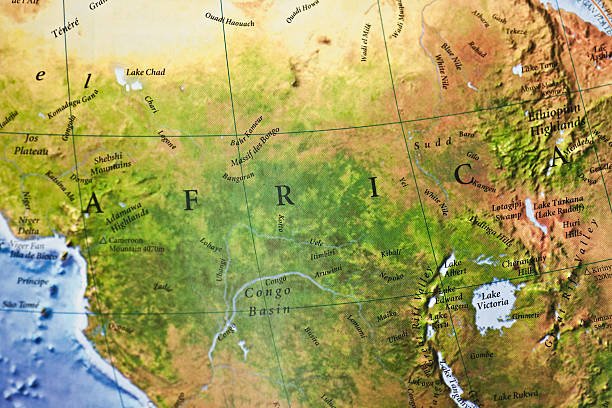
South Sudan is widely recognized as the youngest country in Eastern Africa because it officially gained its independence on July 9, 2011. This monumental transition followed a historic referendum where the people of the region voted overwhelmingly to separate from Sudan after decades of civil conflict. As the 193rd member of the United Nations, this nation represents the most recent major change to the political map of the African continent.
Understanding the geopolitical shifts that led to this development provides essential context for the current state of the region. The emergence of new states reflects a broader history of political evolution and the quest for self-determination among various ethnic groups within the Horn of Africa and the Great Lakes region.
These are the Countries that explain which Is The Youngest Country In Eastern Africa
The timeline of independence across Eastern Africa varies significantly, with some nations having centuries of sovereign history while others have only recently emerged from colonial rule or larger political unions. By examining the dates of independence and the formation of modern states, we can see how the region has transformed over the last sixty years. The following list highlights the nations in this part of the continent, starting with the most recent and moving through those that established their modern sovereignty in the twentieth century.
1. South Sudan
South Sudan officially became an independent state in 2011, making it the newest recognized sovereign nation globally and the youngest country in Eastern Africa by a significant margin. This historic event took place following a referendum where nearly 99 percent of the population voted to separate from the north after decades of civil war. The nation faced immediate challenges including the task of building infrastructure from scratch in a territory that had seen very little development during the war years. Today, it continues to navigate complex political landscapes while trying to harness its significant oil reserves for the benefit of its citizens. The capital city of Juba has grown rapidly since independence as it serves as the administrative and economic hub for the burgeoning nation. As an African country which recently achieved sovereignty, South Sudan remains a focal point for international diplomatic and humanitarian efforts aimed at ensuring long term stability.
2. Eritrea
Eritrea gained its independence from Ethiopia in 1993 after a grueling thirty year war that defined the national identity of its people. This makes it one of the more recent additions to the list of independent nations in the Horn of Africa. The process culminated in a United Nations supervised referendum where the Eritrean people overwhelmingly chose to be free from Ethiopian rule. Since then, the country has focused heavily on self reliance and national service to rebuild its economy and society. Its strategic location along the Red Sea coast makes it a vital player in regional maritime security and trade across the Bab el Mandeb strait. As a country in Africa that established its own government in the late twentieth century, it offers a unique perspective on post colonial state building and the challenges of regional integration.
3. Djibouti
Djibouti became independent from France in 1977, making it a relatively young nation compared to its much larger neighbors. Formerly known as French Somaliland and later the Territory of the Afars and the Issas, this small nation occupies a critical geopolitical position. Because of its location at the entrance to the Red Sea, it hosts numerous foreign military bases from world powers like the United States, China, and France. The economy is heavily dependent on its port facilities, which serve as the primary maritime gateway for landlocked Ethiopia. Despite its small size and arid climate, Djibouti has managed to maintain a level of stability that is often cited as a model for the volatile Horn region. Its government has focused on transforming the country into a regional logistics and financial hub to provide jobs for its growing urban population.
4. Seychelles
The Seychelles is an archipelago nation that gained its independence from the United Kingdom in 1976. This island state has since developed into one of the most prosperous countries in the entire African region with a high Human Development Index. Following its independence, the country transitioned through various political phases before establishing a stable multi party democracy. The economy is largely driven by high end tourism and the tuna fishing industry, which leverages its vast exclusive economic zone in the Indian Ocean. Seychelles is also a leader in environmental conservation, having protected large portions of its land and sea territory. Its history as a young nation is marked by a successful transition from a colonial plantation economy to a modern, service oriented state.
5. Comoros
Comoros declared its independence from France in 1975, though the process was complicated by the status of the island of Mayotte, which chose to remain under French administration. This nation consists of several volcanic islands in the Mozambique Channel and has experienced a turbulent political history since becoming sovereign. There have been numerous leadership changes and internal disputes regarding the balance of power between the individual islands. However, recent years have seen more concerted efforts toward constitutional stability and economic reform. The culture of Comoros is a unique blend of Arab, African, and French influences, which is reflected in its languages and traditions. As a small island developing state, it faces specific challenges related to climate change and economic diversification in a competitive global market.
6. Mauritius
Mauritius became an independent nation in 1968 after years of British rule and prior Dutch and French colonial periods. Since that time, it has evolved into a shining example of economic success and political stability on the continent. The country successfully moved away from a monocrop economy based on sugar to a diversified system including textiles, tourism, and financial services. Mauritius is frequently ranked as one of the most democratic and business friendly countries in Africa. Its multicultural population lives in relative harmony, which has been a cornerstone of its national progress. The government has invested heavily in education and healthcare, ensuring that the benefits of economic growth are shared across society.
7. Tanzania
The United Republic of Tanzania was formed in 1964 following the union of Tanganyika and the island of Zanzibar. Tanganyika had gained independence from Britain in 1961, while Zanzibar became independent in late 1963 shortly before the revolution. Under the leadership of Julius Nyerere, the country embarked on a unique path of African socialism known as Ujamaa, which emphasized self reliance and rural development. While the economic results of Ujamaa were mixed, it succeeded in creating a strong sense of national unity that has prevented the ethnic strife seen in many neighboring countries. Today, Tanzania is one of the fastest growing economies in the region with significant investments in infrastructure and mining. Its political capital is Dodoma, while Dar es Salaam remains the primary commercial center and port.
8. Kenya
Kenya achieved its independence from British colonial rule in 1963 after a long and often violent struggle characterized by the Mau Mau uprising. As one of the most influential countries in Eastern Africa, Kenya has played a leading role in regional trade and diplomacy. The country has a diverse economy with strengths in agriculture, technology, and financial services, earning it the nickname the Silicon Savannah. While it has faced political challenges during election cycles, its democratic institutions have shown significant resilience over the decades. The 2010 constitution marked a major turning point by decentralizing power to forty seven counties to promote local development. Kenya remains a hub for international organizations and serves as the regional headquarters for many multinational corporations.
9. Uganda
Uganda gained its independence from the United Kingdom in 1962 and has since experienced a complex history of political shifts and economic recovery. The early years of independence were marred by the brutal regimes of the 1970s and early 1980s, which devastated the national economy and infrastructure. However, since the mid 1980s, the country has seen a period of relative stability and significant economic growth. Uganda is known for its fertile lands and is a major producer of coffee and other agricultural products. The government has worked to improve healthcare and education, particularly in the fight against infectious diseases. With a very young population, the nation is currently focusing on industrialization and job creation to support its future generations. The discovery of oil in the Albertine Graben region also promises to transform the economic landscape in the coming years.
10. Rwanda
Rwanda became independent from Belgian administration in 1962, the same year as several of its neighbors. Its post independence history is most notably marked by the tragic genocide against the Tutsi in 1994, which claimed hundreds of thousands of lives. Since that dark period, Rwanda has undergone a remarkable transformation characterized by rapid economic growth and social reconciliation. Under consistent leadership, the country has become a leader in digital innovation and ease of doing business in Africa. The capital, Kigali, is frequently cited as one of the cleanest and safest cities on the continent. Rwanda has also made significant strides in gender equality, with one of the highest percentages of women in parliament globally. Its focus on long term planning and accountability has attracted substantial foreign investment and tourism.
11. Burundi
Burundi also gained its independence from Belgium in 1962, sharing a similar colonial history with Rwanda. The nation has faced significant internal challenges related to ethnic tensions and political transitions over the last several decades. Despite these hurdles, there have been periods of peace and efforts toward national healing through various peace accords. The economy is primarily agrarian, with coffee and tea being the main exports that sustain the majority of the population. Burundi is located in the heart of the Great Lakes region and possesses beautiful landscapes and a rich cultural heritage. Efforts are ongoing to improve infrastructure and integrate more closely with the East African Community to boost trade and stability. The resilience of the Burundian people remains a core asset as the country seeks to build a more prosperous and inclusive future.
12. Somalia
Somalia was formed in 1960 through the unification of the Trust Territory of Somaliland (formerly Italian) and British Somaliland. While it is not the youngest country in terms of its initial independence date, its modern state structure is still being rebuilt after decades of civil war. The collapse of the central government in 1991 led to a long period of fragmentation, but the last decade has seen the establishment of a federal government and various regional states. Somalia has a very long coastline and a diaspora that contributes significantly to the economy through remittances. There is great potential for the development of fisheries and livestock exports as the security situation continues to stabilize. The international community remains heavily involved in supporting the transition toward a fully functional and peaceful federal state.
13. Madagascar
Madagascar is a large island nation that gained its independence from France in 1960. While it is geographically separated from the mainland, it is often grouped with Eastern African nations for political and economic purposes. The country is world renowned for its unique biodiversity, with many species of plants and animals found nowhere else on Earth. Since independence, Madagascar has experienced several political cycles and economic challenges, yet it remains a vibrant culture with a mix of African and Austronesian influences. The economy depends on agriculture, particularly the production of vanilla and cloves, as well as mining and textiles. Recent efforts have focused on improving governance and protecting the natural environment to promote sustainable tourism. As one of the older independent nations in the region, it provides a long term view of the complexities of post colonial development.
14. Ethiopia
Ethiopia is unique among Eastern African nations because it was never colonized, except for a brief five year Italian occupation during the 1930s. Therefore, it does not have a typical independence day from a European power in the way that South Sudan or Kenya does. Instead, it traces its sovereignty back thousands of years to ancient empires. However, the modern Federal Democratic Republic of Ethiopia was established following the fall of the Derg regime in 1991, which created a new political framework for the country. This restructuring makes the current administrative system relatively young, even if the nation itself is ancient. Ethiopia is the second most populous country in Africa and serves as the headquarters for the African Union. Its rapid infrastructure development, including the Grand Ethiopian Renaissance Dam, highlights its ambitions to be a regional energy and industrial powerhouse.
Reasons Why These Countries became the youngest nations in Africa
1. Secession from larger territories: The primary reason South Sudan is the youngest country that exists today in Eastern Africa is its legal secession from the Republic of Sudan. After years of conflict between the north and south, a peace agreement allowed for a referendum where the southern population chose independence. This process of partitioning an existing state is the most direct way a brand new nation is formed in the modern era.
2. Late decolonization processes: Some countries in Eastern Africa are younger because their colonial rulers held onto power longer than in other parts of the continent. For example, Djibouti remained under French control until 1977, nearly two decades after many other African nations had already secured their freedom. The timing of when a colonial power decides to withdraw significantly dictates the chronological age of the modern sovereign state.
3. Armed struggle and liberation movements: Nations like Eritrea became young independent states through prolonged military conflicts that eventually led to a political break from a neighbor. Eritrea's thirty year war with Ethiopia concluded with a victory for the liberation forces and a subsequent vote for sovereignty in 1993. This path to nationhood is often characterized by a strong sense of national identity forged during the years of fighting for independence.
4. Collapse of administrative unions: The reconfiguration of regional unions can also lead to the birth of what we consider modern nations. While Tanzania was formed by a union in 1964, the individual components had only been independent for a very short time prior. These administrative changes create new legal entities that reset the clock on the age of the specific national government in place today.
5. High fertility and youthful demographics: Many African countries that are the youngest in Eastern Africa are defined not just by their independence dates but by the age of their populations. In countries like Uganda and South Sudan, over 70 percent of the population is under the age of 30, creating a literal youthfulness that defines the national culture and economic potential. This demographic reality means that the majority of citizens have only ever known their country as a sovereign entity.
6. International diplomatic recognition: A country only becomes the youngest in a formal sense when it is recognized by international bodies like the United Nations. South Sudan’s admission as a member state in 2011 was the final step in it being legally acknowledged as the newest country in the world. Without this global recognition, a territory may function independently but will not be listed as a sovereign young nation in official records.
Conclusion
South Sudan remains the undisputed answer when considering which country that is the youngest country in Eastern Africa based on its 2011 independence date. The region as a whole continues to evolve as these young nations build their institutions and develop their economies for future generations. While the dates of sovereignty vary, the shared history of seeking self-determination binds these countries together in their common goal of regional prosperity. As the youngest country in Africa, South Sudan carries the hopes of a population looking to move past historical conflicts toward a stable and peaceful future. The continuous growth of these nations ensures that Eastern Africa remains one of the most dynamic and rapidly changing parts of the world.
Enjoyed this read?
Share it with your friends and colleagues.