Are Zebras Only Found In Africa

BSC Insights Admin
October 01, 2026
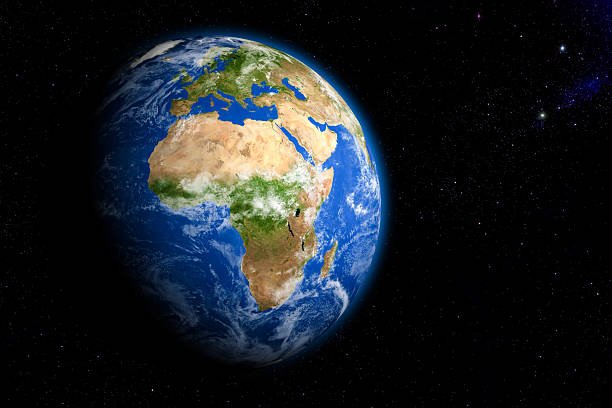
Wildlife enthusiasts and researchers often ask are zebras only found in Africa when studying the natural distribution of the world's most recognizable striped mammals. These unique equids are indeed native only to the African continent, where they have evolved to inhabit diverse landscapes ranging from arid deserts to lush grasslands. While they are a common sight in zoological parks globally, their wild populations do not exist naturally on any other continent, making them a strictly African phenomenon.
The restricted geographic range of these animals is a result of millions of years of evolutionary history and the specific environmental conditions found south of the Sahara Desert. To understand why their presence is so localized, it is helpful to explore the specific nations and ecosystems that support the three main species of zebras surviving today.
These are the nations where are zebras only found in Africa
The distribution of zebras across the continent is quite broad, yet it is carefully partitioned among various species that have adapted to very different terrains. From the massive herds of the plains to the elusive mountain-dwelling varieties, these animals represent the heart of the Equidae family in the southern hemisphere. In the following section, we explore the primary nations where these animals thrive and the specific habitats that allow their populations to endure despite modern environmental pressures.
1. Kenya and the Vast Savannahs
Kenya is perhaps the most famous destination for observing zebras, as it hosts two of the three primary species within its borders. The plains zebra is ubiquitous across the Maasai Mara, while the much rarer Grevy's zebra is found in the northern arid regions such as Samburu and Buffalo Springs. Kenya is a key African country which are zebras only found in such diverse forms, offering a unique opportunity to see the world's largest zebra species, the Grevy's, which is distinguished by its narrow stripes and large ears. These animals play a vital role in the Great Migration, where hundreds of thousands of zebras move alongside wildebeests in search of fresh grazing lands. The Kenyan government and various local conservancies have worked tirelessly to protect these herds from poaching and habitat loss. Seeing a Grevy's zebra in the wild is a rare privilege, as their population is much more localized than their plains cousins.
2. Tanzania and the Serengeti Ecosystem
In Tanzania, the plains zebra exists in staggering numbers, particularly within the Serengeti National Park and the Ngorongoro Crater. This country in Africa are zebras only found in such massive concentrations provides a spectacle of nature that is unmatched anywhere else on the planet. Zebras here are essential to the health of the grassland ecosystem because they are pioneer grazers, eating the tougher, taller grasses and clearing the way for more selective herbivores. Their social structure is fascinating to observe, as they live in tight-knit harems consisting of one stallion and several mares. During the dry season, these groups merge into massive super-herds that cover the plains like a moving carpet of black and white. Tanzania's commitment to large-scale land preservation has ensured that these ancient migration routes remains open and protected for future generations.
3. South Africa and the Mountain Specialists
South Africa is home to both the plains zebra and the specialized Cape mountain zebra, which is endemic to the fynbos and mountain regions of the Western and Eastern Cape. The mountain zebra was once on the brink of extinction, but successful conservation efforts in parks like Mountain Zebra National Park have allowed their numbers to recover significantly. This African country which are zebras only found in such rugged, high-altitude terrain shows the incredible adaptability of the genus. Unlike the plains variety, mountain zebras have a distinct dewlap on their throats and stripes that do not meet under their bellies. South Africa also utilizes zebras in many private game reserves, where they are valued for their aesthetic beauty and their role in maintaining the vegetation. The diversity of the South African landscape allows for a unique study of how different zebra species have evolved to survive in contrasting climates.
4. Namibia and the Arid Frontier
Namibia provides a starkly beautiful backdrop for the Hartmann's mountain zebra and the plains zebra, particularly within the Etosha National Park and the Kunene region. The Hartmann's zebra is a subspecies of the mountain zebra that has mastered the art of surviving in the steep, rocky escarpments of the Namib Desert. These animals are capable of digging for water in dry riverbeds, a behavior that is essential for their survival during the long Namibian droughts. Namibia is one of the African countries that are zebras only found in such extreme desert conditions, highlighting the resilience of the species. The plains zebras in Etosha are often seen covered in the white dust of the massive salt pan, giving them a ghostly appearance in the midday sun. Namibian conservation models often involve local communities, ensuring that wildlife protection is integrated into the regional economy.
5. Ethiopia and the Northern Reach
Ethiopia marks the northernmost limit of the Grevy's zebra's natural range, specifically within the Alledeghi Plains and the Yabelo Wildlife Sanctuary. This African country which are zebras only found in the wild is a critical frontier for the species, as they face competition with livestock for water and grazing. The Ethiopian populations are smaller and more fragmented than those in Kenya, making every individual vital for the survival of the species' genetic diversity. The Grevy's zebra in Ethiopia is often found in acacia bushlands and semi-desert environments where other large mammals might struggle to find food. Local conservation efforts are focused on improving water access for both wildlife and the pastoralist communities to reduce conflict. Ethiopia's unique highlands and arid lowlands provide a challenging but necessary habitat for these northern herds.
6. Botswana and the Okavango Delta
Botswana is a major stronghold for the plains zebra, which can be found in the thousands across the Okavango Delta, Chobe National Park, and the Makgadikgadi Pans. Botswana is famous for the longest terrestrial wildlife migration in Africa, where zebras travel over 500 kilometers between the Chobe River and the Nxai Pan. This incredible journey is driven by the search for mineral-rich grasses that spring up after the seasonal rains. The lush environment of the Okavango Delta provides a contrast to the dry migrations, offering zebras a year-round supply of water and forage. Botswana's low human population density and vast protected areas make it one of the safest regions for zebras on the continent. Observing these animals as they cross the floodplains of the delta is a highlight for many visitors to the region.
7. Zimbabwe and the Hwange Wilderness
Zimbabwe hosts large populations of plains zebras, particularly in Hwange National Park and the Mana Pools region along the Zambezi River. In Hwange, zebras are a primary prey species for large predators like lions and hyenas, making them a central part of the park's dramatic food web. This country in Africa are zebras only found in such high predatory environments shows how zebras utilize their stripes and group behavior to evade capture. The stripes are thought to create a motion dazzle effect, making it difficult for a predator to single out an individual in a running herd. Zimbabwe's diverse habitats, from the teak forests of the west to the riverine woodlands of the north, support healthy and stable zebra populations. The country's history of wildlife management has ensured that these herds remain a permanent fixture of the Zimbabwean landscape.
8. Uganda and the Lake Mburo Herds
Uganda is unique in East Africa because it is one of the few places where you can see zebras without the presence of massive elephant populations, particularly in Lake Mburo National Park. This results in a different type of grazing pressure, allowing the zebras to flourish in the acacia-spotted hills. Uganda is an African country which are zebras only found in the westernmost part of the East African savannah belt. The zebras here are of the Grant's subspecies, known for their bold and well-defined striping. In addition to Lake Mburo, zebras are also found in the remote Kidepo Valley National Park near the border with South Sudan. These northern herds are isolated from other populations, making them an important focus for regional conservation efforts. Uganda's lush, green landscapes offer a different aesthetic for zebra viewing compared to the dry plains of its neighbors.
9. Rwanda and the Akagera Recovery
Rwanda has seen a remarkable recovery of its wildlife in Akagera National Park, where plains zebras are one of the most successful and visible species. After years of conflict and habitat encroachment, the park has been restored through intensive management and reintroduction programs. This African country which are zebras only found in a revitalized state demonstrates how quickly nature can bounce back when given the chance. Zebras in Akagera share the landscape with giraffes, elephants, and recently reintroduced lions and rhinos, creating a balanced and diverse ecosystem. The park's varied terrain of lakes, papyrus swamps, and savannahs provides an ideal habitat for the herds to grow. Rwanda's focus on high-end ecotourism has provided the funding necessary to keep the park's borders secure and the wildlife protected. The zebra has become a symbol of the successful restoration of Rwanda's natural heritage.
10. Zambia and the Luangwa Valley
Zambia is a premier location for the Crawshay's zebra, a subspecies of the plains zebra that is distinguished by its very narrow stripes and lack of shadow stripes. These animals are found in the South Luangwa National Park, one of the most pristine wilderness areas in Africa. Zambia is one of the countries in Africa that are zebras only found in such a remote and undisturbed riverine environment. The Luangwa River provides a constant source of life for the zebras, especially during the dry season when the surrounding bush becomes parched. The social behavior of zebras in Zambia is often studied during walking safaris, where visitors can observe the interactions between different harems from a closer perspective. The Crawshay's zebra's unique appearance makes it a favorite for photographers seeking something different from the standard plains variety. Zambia's vast wilderness ensures that these unique genetic lineages are preserved.
11. Angola and the Return of the Herds
Angola was once home to vast numbers of zebras, but decades of civil war took a heavy toll on the country's wildlife. In recent years, there have been efforts to re-establish and protect the remaining populations in Iona National Park and other southern regions. Angola is an African country which are zebras only found in a state of post-conflict recovery, making its wildlife populations particularly precious. The zebras in the south are mostly Hartmann's mountain zebras and plains zebras that move across the border from Namibia. The Angolan government is working with international conservation groups to de-mine national parks and establish better security for the returning herds. While the numbers are currently lower than in neighboring countries, the potential for growth is enormous. Angola represents the next great frontier for zebra conservation in the Southern African region.
12. South Sudan and the Boma-Badingilo Migration
South Sudan is home to one of the most spectacular and least known wildlife migrations on earth, involving massive numbers of zebras and other antelopes. The Boma-Badingilo migratory corridor is a vast, wild landscape where zebras move seasonally in search of water and grass. This country in Africa are zebras only found in such a wild and largely unmapped state provides a glimpse into what Africa was like centuries ago. However, the region's ongoing instability and lack of infrastructure make it difficult to monitor and protect these herds effectively. The zebras here are part of a massive ecosystem that includes some of the largest wetlands in the world, the Sudd. Despite the challenges, the resilience of these herds is a testament to the productivity of the East African grasslands. South Sudan's zebras are a vital part of the continent's overall biodiversity.
Reasons Why These Countries are zebras only found in Africa in Africa
The exclusive presence of zebras in Africa is the result of a complex interplay between evolutionary biology, geography, and environmental history. These factors have combined to ensure that the zebra remained a uniquely African inhabitant, while its relatives like the horse and donkey expanded into other parts of the world.
1. Evolutionary Heritage of the Equid Family: The ancestors of the modern zebra originated in North America and migrated across the Bering land bridge into Eurasia and eventually Africa. While many equid species went extinct in other parts of the world, the lineages that moved into Africa found a perfect environmental niche. Over millions of years, these animals evolved the distinctive stripes and behavioral patterns that define the modern zebra. The African continent provided a stable refuge during various ice ages that wiped out equid populations in the north. This deep-seated history is the foundation of why are zebras only found in Africa today. Their evolutionary path was finely tuned to the challenges of the African landscape, from its heat to its specific predatory guild.
2. Adaptation to the Savannah Biome: The African savannah is a unique biome that offers vast, open spaces dominated by grasses, which is the primary food source for all zebra species. Zebras are hindgut fermenters, meaning they can process large amounts of low-quality forage more efficiently than many other herbivores. This allows them to thrive in environments where the grass is too tough for more delicate grazers. The African continent contains the world's most extensive and productive savannah systems, providing the perfect stage for the zebra's lifestyle. In other parts of the world, these types of open grasslands are either less extensive or have different climatic patterns that did not favor the zebra's evolution. The savannah is the heart of the zebra's world, and Africa is its primary guardian.
3. The Function of the Biological Fingerprint: Every zebra's stripe pattern is as unique as a biological fingerprint, serving various evolutionary purposes that are specific to the African environment. One leading theory is that the stripes help to deter biting flies, such as the tsetse fly, which are prevalent in many African countries that are zebras only found in. The way the stripes break up light makes it difficult for the flies to land on the zebra's skin. Additionally, the stripes provide a form of social bonding and help in herd cohesion during the chaos of a predator attack. These adaptations were developed specifically to combat African-specific challenges, which is a major reason why the animals remain confined to the continent. The stripes are not just for show; they are a survival tool designed by the African landscape.
4. Barriers to Natural Migration: While some species were able to migrate out of Africa in the distant past, the zebra's specific habitat requirements and the geography of North Africa acted as barriers. The expansion of the Sahara Desert created a massive obstacle for any large-mammal migration moving north. Zebras require regular access to water, making a crossing of the world's largest hot desert nearly impossible. Furthermore, the specialized nature of the zebra's diet meant that it could not easily adapt to the forests of Europe or the mountains of Central Asia. Once they reached the southern regions of the continent, they found everything they needed to survive and had little reason to attempt to move across the formidable northern barriers. Geography essentially locked the zebra into the sub-Saharan region.
5. Co-evolution with African Predators: Zebras have evolved in a high-pressure environment alongside some of the world's most efficient predators, including lions, leopards, and spotted hyenas. This co-evolution has resulted in zebras being incredibly alert, fast, and capable of powerful defense with their hooves. The predatory guild of the African savannah is unique, and the zebra's survival strategies are perfectly calibrated to counter these specific threats. In other parts of the world, the predatory pressures were different, leading to the evolution of different types of equids or their eventual extinction. The constant "arms race" between African predators and their prey has shaped the zebra into the resilient animal we see today. This relationship is a key reason why they are so well-integrated into the African food web.
6. Protection through Modern Conservation Areas: In the modern era, the reason zebras are only found in Africa is also a matter of dedicated land management. African nations have been world leaders in setting aside massive tracts of land for wildlife, such as the Serengeti and the Kruger. These protected areas provide the vast territories that zebras need for their seasonal migrations and social interactions. Without these national parks and transfrontier conservation areas, the species would likely have faced the same fate as many other large mammals that have disappeared due to human expansion. The commitment of African countries that are zebras only found in to preserving their natural heritage is the only reason these animals still exist in the millions. These parks are the final sanctuaries for a species that has survived for eons.
Conclusion
The definitive answer to are zebras only found in Africa is rooted in the deep evolutionary and environmental history of the continent. From the southern Cape to the northern plains of Ethiopia, these striped icons have made Africa their exclusive home, adapting to everything from deserts to lush deltas. While they face modern challenges such as climate change and habitat fragmentation, the continued commitment of numerous African nations to conservation provides a hopeful future for the herds. Understanding the unique relationship between the zebra and the African landscape allows us to better appreciate the biological diversity of our planet. The zebra remains one of the most enduring symbols of the wild spirit of the African continent, a place where they have reigned for millions of years. As long as the savannahs remain protected, the stripes of the zebra will continue to be a permanent feature of the African horizon.
Enjoyed this read?
Share it with your friends and colleagues.