Is There Zika In Africa

BSC Insights Admin
October 26, 2026
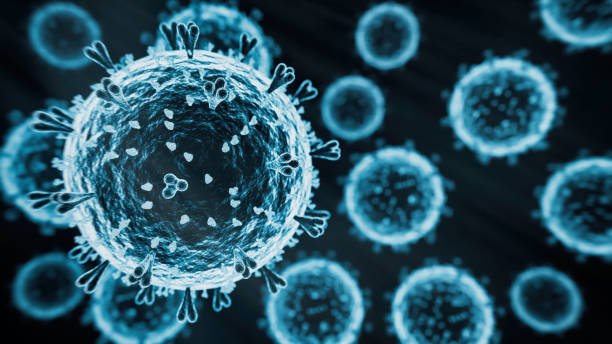
Is There Zika In Africa? Understanding the Virus's Endemic Presence
Yes, Zika virus is present in Africa, where it was first identified. Far from being a recent phenomenon, Zika has an established, albeit often under-recognized, presence across many African countries. While the global spotlight on Zika often focuses on outbreaks in the Americas, understanding the virus's historical roots and ongoing transmission dynamics in Africa is crucial for both public health and informed travel decisions.
The **Zika virus** is a mosquito-borne flavivirus primarily transmitted by **Aedes mosquitoes**, particularly Aedes aegypti. Its circulation in Africa predates its emergence as a major global health concern, meaning that many populations on the continent may have developed some level of immunity. However, the potential for localized outbreaks and the risks to vulnerable populations, such as pregnant women, remain significant considerations.
The Origins of Zika Virus: An African Story
The **Zika virus** was first isolated in 1947 from a rhesus monkey in the Zika Forest of Uganda, giving the virus its distinctive name. Subsequent serological studies in the 1950s and 60s confirmed its presence in humans in various African nations, including Uganda, Nigeria, Tanzania, Egypt, and the Central African Republic. For decades, Zika was considered a mild, self-limiting illness, rarely causing severe disease and often overshadowed by other more prevalent mosquito-borne diseases like malaria and dengue.
This long history of **Zika in Africa** suggests a co-evolutionary relationship with local mosquito vectors and human populations. The virus circulated endemically, meaning it was consistently present at low levels within the animal and human populations, without causing large-scale epidemics that would draw international attention. This silent circulation meant that significant portions of the population in certain areas might have been exposed and developed immunity, a factor that differentiates the African context from regions where Zika was newly introduced.
Current Distribution and Transmission of Zika in African Countries
Today, **Zika virus** is understood to be widespread across sub-Saharan Africa, though specific data on its prevalence can be challenging to obtain due to limitations in surveillance and diagnostic capabilities. Countries in **West Africa, East Africa, Central Africa, and parts of Southern Africa** have all reported evidence of Zika circulation, either through detected outbreaks or serological surveys indicating past exposure.
Key areas where **Zika transmission** has been documented or is highly suspected include:
- West Africa: Countries like Nigeria, Cape Verde, and Guinea-Bissau have reported cases or outbreaks. Cape Verde experienced a notable outbreak in 2015-2016, coinciding with the larger epidemic in the Americas, highlighting the potential for significant spread.
- East Africa: The virus's origin in Uganda means it continues to circulate there, alongside neighboring countries like Kenya and Tanzania.
- Central Africa: Evidence of Zika has been found in countries such as the Central African Republic and Gabon.
- Southern Africa: While less frequently reported, countries like Angola have also seen **Zika virus activity**.
The exact burden of **Zika in Africa** is likely underestimated. Many infections are asymptomatic or present with mild, non-specific symptoms, leading to underreporting. Furthermore, co-circulation with other arboviruses, such as dengue and chikungunya, makes differential diagnosis difficult without robust laboratory testing, which is often scarce in resource-limited settings.
Understanding Zika Virus Transmission Routes
The primary method of **Zika transmission** in Africa, as elsewhere, is through the bite of infected mosquitoes. The **Aedes aegypti** mosquito is the principal vector, thriving in urban and semi-urban environments where it breeds in small collections of water, often close to human dwellings. These mosquitoes are aggressive daytime biters, which makes prevention particularly challenging.
Beyond mosquito bites, other significant routes of **Zika virus** transmission include:
- Congenital Transmission: This is arguably the most concerning route. A pregnant woman infected with Zika can pass the virus to her fetus, leading to severe birth defects collectively known as **Congenital Zika Syndrome (CZS)**, including **microcephaly**. This risk emphasizes the need for specific precautions for pregnant women or those planning pregnancy.
- Sexual Transmission: Zika can also be transmitted sexually, even if the infected person does not show symptoms. This route highlights the importance of safe sex practices, especially for individuals returning from Zika-affected areas or for couples where one partner may have been exposed.
- Blood Transfusion: Although less common, Zika can be transmitted through blood transfusions. Many countries implement screening measures for blood donations in areas with active transmission.
Environmental factors, such as rainfall patterns, temperature, and urbanization, play a critical role in shaping mosquito populations and, consequently, the risk of **Zika virus outbreaks**. Climate change may further alter these dynamics, potentially expanding the geographic range of **Aedes mosquitoes** and increasing the duration of transmission seasons.
Symptoms and Health Risks Associated with Zika Virus
For most people, **Zika virus infection** causes mild or no symptoms. When symptoms do occur, they typically last for a few days to a week and may include:
- Fever
- Rash
- Joint pain (arthralgia)
- Muscle pain (myalgia)
- Headache
- Conjunctivitis (red eyes)
These symptoms are often non-specific and can be confused with other common tropical illnesses. This is a primary reason why many **Zika cases** in Africa go undiagnosed or misdiagnosed.
However, the severity of Zika's impact extends beyond these mild symptoms for certain populations:
Congenital Zika Syndrome (CZS)
The most devastating complication of **Zika virus infection** is **Congenital Zika Syndrome**, which occurs when a pregnant woman transmits the virus to her developing fetus. CZS can result in a range of severe birth defects, with **microcephaly** (a smaller-than-normal head size due to abnormal brain development) being the most recognizable. Other potential effects include eye defects, hearing loss, and impaired growth.
Guillain-Barré Syndrome (GBS)
In adults, **Zika virus** infection has been linked to an increased risk of **Guillain-Barré Syndrome (GBS)**, a rare but serious neurological disorder where the body's immune system attacks its own nerves. GBS can lead to muscle weakness and paralysis, which can be temporary or, in severe cases, long-lasting.
The long-term health implications of **Zika virus** infection are still being studied, but the focus on protecting pregnant women and preventing congenital infections remains paramount, especially in regions with active transmission.
Diagnosis and Treatment of Zika in Africa
Diagnosing **Zika virus infection** can be challenging, particularly in African settings where diagnostic resources may be limited. The symptoms often mimic those of other endemic diseases, such as dengue fever, chikungunya, and malaria, necessitating specific laboratory tests for confirmation.
Diagnostic Methods:
- RT-PCR (Reverse Transcription Polymerase Chain Reaction): This molecular test detects the presence of the virus's genetic material in blood, urine, or other body fluids. It is most effective in the early stages of infection when the virus is actively replicating.
- Serological Tests (ELISA): These tests detect antibodies (IgM and IgG) produced by the body in response to the infection. While useful for identifying past infections, serological tests can sometimes cross-react with other flaviviruses (like dengue), leading to false positives and complicating interpretation.
Challenges to effective diagnosis in Africa include the cost and availability of advanced testing, the need for trained personnel, and the logistical difficulties of sample collection and transportation in remote areas. This contributes to the underreporting of **Zika cases** and hinders a precise understanding of the virus's true prevalence.
Treatment:
There is currently no specific antiviral treatment for Zika virus infection. Treatment is primarily supportive, focusing on relieving symptoms:
- Rest
- Hydration
- Over-the-counter pain relievers and fever reducers (such as acetaminophen). Aspirin and other non-steroidal anti-inflammatory drugs (NSAIDs) should be avoided until dengue can be ruled out, as they can increase the risk of bleeding complications if the patient has dengue.
For individuals experiencing more severe complications like GBS, specialized medical care and rehabilitation may be required.
Public Health Response and Surveillance in Africa
Responding to **Zika virus** in Africa presents unique public health challenges. Many African countries face competing health priorities, including high burdens of malaria, HIV/AIDS, tuberculosis, and other infectious diseases. This can stretch already limited resources for surveillance, prevention, and response to emerging threats like Zika.
Despite these challenges, efforts are underway:
- Enhanced Surveillance: Organizations like the World Health Organization (WHO) and the U.S. Centers for Disease Control and Prevention (CDC) work with national public health institutions in Africa to strengthen disease surveillance systems. This includes training health workers to recognize **Zika symptoms**, improving laboratory diagnostic capacity, and establishing sentinel surveillance sites.
- Vector Control Programs: A cornerstone of **Zika prevention** is controlling **Aedes mosquito** populations. This involves community engagement for source reduction (eliminating breeding sites like stagnant water), larviciding (using insecticides to kill mosquito larvae), and targeted adulticiding (spraying to kill adult mosquitoes). Integrated vector management strategies are crucial for sustained impact.
- Public Awareness Campaigns: Educating communities about **Zika transmission**, symptoms, and prevention methods is vital. This includes promoting personal protective measures against mosquito bites and raising awareness about sexual transmission and risks to pregnant women.
- Maternal and Child Health Services: Strengthening antenatal care and services for pregnant women is critical for early detection and management of potential **Zika-related complications**, particularly **microcephaly**.
International collaborations and funding play a significant role in supporting these public health initiatives, helping to build resilient health systems capable of responding to both endemic and epidemic **Zika virus** threats.
Travel Advisories and Prevention for Visitors to Africa
For individuals planning to travel to African countries, particularly those who are pregnant or trying to conceive, understanding the risks and implementing **Zika prevention strategies** is essential. While specific travel advisories can change, the general principles of protection remain constant.
Key Prevention Measures:
- Prevent Mosquito Bites: This is the most critical step.
- Use **insect repellent** containing DEET, picaridin, IR3535, oil of lemon eucalyptus (OLE), para-menthane-diol (PMD), or 2-undecanone. Always follow product label instructions.
- Wear long-sleeved shirts and long pants, especially during daytime hours when **Aedes mosquitoes** are most active.
- Sleep under **mosquito nets** if rooms are not screened or air-conditioned.
- Stay in accommodations with air conditioning or screens on windows and doors.
- Prevent Sexual Transmission:
- If you or your partner have traveled to an area with **Zika virus**, use condoms consistently and correctly during sex or abstain from sex to prevent potential sexual transmission of Zika.
- Pregnant women whose male partners have traveled to or reside in a Zika-affected area should use condoms or abstain from sex throughout the pregnancy.
- Consult Health Authorities:
- Check the latest travel health notices from organizations like the **CDC** or **WHO** before and during your trip. These resources provide up-to-date information on **Zika activity** in specific regions and offer tailored advice.
- Special Considerations for Pregnant Women:
- Pregnant women or couples trying to conceive should seriously consider postponing non-essential travel to areas with active **Zika virus transmission**. If travel is unavoidable, rigorous adherence to mosquito bite prevention is imperative.
It is important for all travelers returning from **Zika-affected areas in Africa** to monitor their health and seek medical advice if they develop symptoms, and to take precautions against sexual transmission upon their return.
The "Hidden" Burden: Why Zika in Africa Differs from Global Outbreaks
The narrative of **Zika virus** in Africa often contrasts sharply with its portrayal during the 2015-2016 epidemic in the Americas. While the Americas experienced explosive outbreaks and a dramatic rise in **microcephaly cases**, Africa, despite being the virus's birthplace, did not see a similar surge in reported cases or birth defects, with the notable exception of Cape Verde.
Several factors are thought to contribute to this "hidden" burden and the distinct epidemiology of **Zika in Africa**:
- Pre-existing Immunity: Due to the virus's long-standing endemic presence, many populations in Africa may have developed some level of immunity through prior exposure, reducing the likelihood of large-scale epidemics.
- Co-circulation of Other Arboviruses: The presence of other viruses like dengue and chikungunya, which share similar symptoms and mosquito vectors, can mask **Zika infections** and complicate diagnosis.
- Surveillance Gaps: Limited public health infrastructure, diagnostic capacity, and surveillance systems mean that many **Zika cases** and associated complications may go undetected and unreported.
- Genetic Differences: There might be variations in the African lineage of the **Zika virus** compared to the Asian lineage that caused the American epidemic, potentially affecting virulence or transmissibility.
- Socio-ecological Factors: Differences in mosquito population dynamics, human settlement patterns, and interactions between humans and mosquitoes could also play a role.
Understanding these differences is crucial for effective **public health strategies** in Africa. It emphasizes the need for ongoing research, improved surveillance, and a nuanced approach to **Zika virus control** that considers the unique epidemiological context of the continent.
Future Outlook and Research into Zika in Africa
The future of **Zika virus** in Africa depends on continued vigilance, research, and collaborative public health efforts. Key areas of focus include:
- Vaccine Development: Global efforts to develop effective **Zika vaccines** are ongoing. Once available, ensuring equitable access and distribution in Africa will be critical for long-term prevention.
- Improved Diagnostics: Development of rapid, affordable, and accurate diagnostic tests that can differentiate Zika from other arboviruses is essential for better surveillance and patient management.
- Integrated Vector Management: Sustainable strategies for controlling **Aedes mosquito** populations, incorporating environmental management, biological controls, and judicious use of insecticides, will remain a priority.
- Research into Immunity and Pathogenesis: Further research is needed to understand the long-term immunity in populations with endemic exposure and the factors that influence disease severity and congenital outcomes in African settings.
- Climate Change Adaptation: Anticipating and adapting to the impacts of climate change on mosquito habitats and **Zika transmission** patterns is an important aspect of future preparedness.
The **Zika virus** serves as a stark reminder of the interconnectedness of global health and the importance of robust public health systems everywhere. Africa, being the origin of the virus, holds invaluable lessons for understanding and combating this ongoing **global health threat**.
Conclusion
In conclusion, Zika virus is indeed present in Africa and has been circulating on the continent for many decades. While its epidemiological pattern differs from the explosive outbreaks seen in the Americas, with fewer widely reported large-scale epidemics and **microcephaly cases**, its endemic presence poses ongoing health risks, particularly for pregnant women and their unborn children. Understanding the history, transmission routes, symptoms, and preventive measures for **Zika in African countries** is vital for both residents and travelers. Continued surveillance, robust vector control, and public health education are crucial to mitigate the impact of this persistent **mosquito-borne disease** and protect vulnerable populations across the continent.
Enjoyed this read?
Share it with your friends and colleagues.