Is Zulu Africa

BSC Insights Admin
September 30, 2026
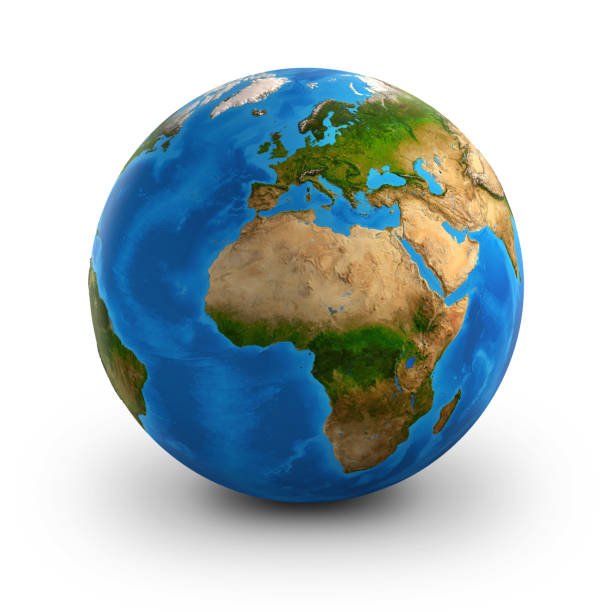
No, Zulu is not Africa. Zulu refers primarily to an ethnic group native to Southern Africa, their language, and their vibrant culture, all of which are an integral and significant part of the continent of Africa, specifically within the country of South Africa. Africa is a vast continent, the second largest in the world, encompassing 54 recognized countries and a mosaic of thousands of distinct ethnic groups, languages, and cultures, of which the Zulu nation is one prominent example.
Understanding the Zulu Identity: People, Language, and Culture
To accurately answer the question of "Is Zulu Africa," it's crucial to first define what Zulu entails. The term Zulu primarily identifies:
- An Ethnic Group: The Zulu people (amaZulu in Zulu) are the largest ethnic group in South Africa, numbering approximately 10–12 million individuals. They are known for their rich history, strong martial traditions, and intricate social structures.
- A Language: isiZulu is a Southern Bantu language and one of the 11 official languages of South Africa. It is widely spoken, not only by ethnic Zulus but also by many non-Zulus, serving as a lingua franca in some regions. Its melodic click sounds are distinctive characteristics of Nguni languages.
- A Culture: Zulu culture is vibrant and deeply rooted in tradition. It encompasses specific customs, beliefs, art forms, music, dance (like the energetic Indlamu), traditional attire, and a complex social hierarchy that traditionally included kings and chiefs.
Therefore, while the Zulu identity is inextricably linked to the land and history of Africa, particularly Southern Africa, it represents a specific component of the continent's immense diversity, rather than the entirety of Africa itself.
The Geographical Home of the Zulu Nation within Africa
The vast majority of the Zulu people reside in South Africa. Their ancestral lands and current population concentration are predominantly in the province of KwaZulu-Natal, which directly translates to "Place of the Zulu." This province, located on South Africa's eastern coast, is a testament to the enduring presence and historical significance of the Zulu nation within the country.
South Africa itself is located at the southernmost tip of the African continent. This nation is a microcosm of Africa's diversity, boasting a "rainbow nation" identity with a multitude of ethnic groups, including Xhosa, Sotho, Tswana, Pedi, Venda, Ndebele, Swazi, and many others, alongside significant populations of European, Asian, and Khoisan descent. The Zulu people contribute immensely to the cultural fabric and demographic landscape of this diverse country, which is, in turn, a prominent member of the African Union and a key player on the African stage.
A Glimpse into Zulu History and its African Context
The history of the Zulu nation is a powerful narrative woven into the broader tapestry of African history. Before European colonization, various Bantu-speaking groups migrated across Southern Africa for centuries, eventually forming distinct communities. The Zulu Kingdom rose to prominence in the early 19th century under the leadership of the legendary King Shaka Zulu.
The Rise of the Zulu Kingdom
Shaka Zulu is widely regarded as one of Africa's most influential military strategists. Through innovative military tactics, discipline, and the formation of a highly organized army (the impi), he consolidated various Nguni clans into a formidable and centralized Zulu kingdom. This period marked a significant era of expansion and influence, creating an empire that dominated much of what is now KwaZulu-Natal. The impact of Shaka's reign and the Zulu Kingdom's power extended far beyond its immediate borders, influencing regional politics and migrations.
Colonial Encounters and Resilience
The late 19th century saw the Zulu Kingdom engaging in fierce conflicts with the British Empire, most famously the Anglo-Zulu War of 1879, which included the iconic Battle of Isandlwana where the Zulus inflicted a devastating defeat on British forces. Despite their initial victories, the Zulu Kingdom eventually fell under British colonial rule, leading to the fragmentation of their territory and the erosion of their traditional authority. However, the Zulu people maintained a strong sense of identity, culture, and pride even under colonial and later apartheid regimes in South Africa.
This history demonstrates how the Zulu nation, through its struggles and triumphs, has played a crucial role in shaping the historical narrative of Southern Africa and, by extension, the continent itself. Their resilience and determination are significant aspects of African heritage.
Zulu Culture: A Rich Contribution to African Heritage
Zulu culture is a vibrant manifestation of African traditions, offering a window into the continent's diverse spiritual, artistic, and social expressions. Key elements include:
- Language (isiZulu): As one of the most widely spoken indigenous languages in South Africa, isiZulu is a vehicle for storytelling, oral history, proverbs (izaga), and traditional songs, embodying the wisdom and worldview of the Zulu people.
- Traditional Attire: Zulu traditional dress is colorful and symbolic, varying based on age, marital status, and occasion. Materials like beads, animal skins, and woven grasses are used to create elaborate garments and ornaments that convey cultural meaning.
- Music and Dance: Music and dance are integral to Zulu life, featuring complex rhythms, call-and-response singing, and dynamic movements. Ceremonies, celebrations, and even daily tasks are often accompanied by specific songs and dances, such as the umshado (wedding dance) or the Indlamu (warrior dance).
- Belief Systems: Traditional Zulu beliefs often involve a reverence for ancestors (amadlozi) and a supreme being (uNkulunkulu). Traditional healers (izangoma and izinyanga) play vital roles in community health and spiritual guidance.
- Crafts and Art: Zulu craftsmanship is renowned for its intricate beadwork, pottery, weaving (especially baskets), and carving. These items are not merely decorative but often hold deep cultural and spiritual significance.
These cultural expressions are not isolated; they interact with and influence other cultures within South Africa and the broader African continent, contributing to a rich tapestry of human experience.
The Broader Context of Africa's Diversity
Understanding that Zulu is a part of Africa, rather than Africa itself, highlights the incredible diversity of the continent. Africa is home to over 1.3 billion people, speaking an estimated 1,500 to 2,000 different languages, and belonging to thousands of distinct ethnic groups. Consider:
- North Africa: Predominantly Arab and Berber populations, speaking Arabic and various Berber languages, with cultural influences from Islamic, Mediterranean, and ancient Egyptian civilizations. Countries like Egypt, Morocco, and Algeria are prominent examples.
- West Africa: A region rich in ancient kingdoms (e.g., Ghana, Mali, Songhai), diverse spiritual traditions, and numerous languages. Groups like the Yoruba, Igbo, Hausa, and Wolof contribute to a vibrant cultural landscape in countries such as Nigeria, Ghana, and Senegal.
- East Africa: Known for its Swahili culture, Maasai traditions, and diverse wildlife. Ethiopia stands out with its ancient Christian heritage, while countries like Kenya and Tanzania are home to hundreds of different ethnic groups.
- Central Africa: Characterized by dense rainforests and a mix of Bantu and non-Bantu groups, including the Pygmy peoples. Countries like the Democratic Republic of Congo and Cameroon exemplify this region's complex demographics.
Each of these regions, and indeed each country and ethnic group within them, possesses unique histories, cultures, languages, and identities that collectively form the vast and multifaceted continent of Africa. The Zulu people are a proud and prominent thread in this incredible weave, showcasing the depth and breadth of African heritage.
Why This Distinction Matters: Avoiding Misconceptions about Africa
Making the clear distinction between Zulu and Africa is important for several reasons:
- Combating Stereotypes: Oversimplifying Africa as a monolithic entity, or equating it with a single culture like Zulu, perpetuates harmful stereotypes. It ignores the continent's immense diversity and the unique identities of its billions of inhabitants.
- Promoting Cultural Understanding: Recognizing the specific identity of the Zulu nation within Africa fosters a deeper and more nuanced understanding of their contributions, challenges, and aspirations. It encourages appreciation for individual cultures rather than broad generalizations.
- Accurate Representation: For educational purposes and media representation, accuracy is paramount. Correctly identifying the Zulu as an ethnic group and culture within Africa, rather than equating them with the entire continent, provides a more truthful and respectful portrayal.
- Celebrating Diversity: Understanding Africa as a continent of incredible diversity allows for a greater appreciation of its rich tapestry of traditions, languages, and histories, rather than reducing it to a single narrative.
This nuanced perspective allows for a more informed global dialogue about Africa, moving beyond outdated and inaccurate portrayals to embrace its true complexity and richness.
Conclusion
In summary, Zulu is not Africa, but rather an integral and vibrant part of Africa. The Zulu people, their language (isiZulu), and their distinctive culture are a significant ethnic group primarily located in the KwaZulu-Natal province of South Africa, a nation nestled at the southern tip of the vast African continent. Their rich history, marked by the powerful Zulu Kingdom and enduring cultural traditions, contributes immensely to the diverse heritage of Southern Africa and the continent as a whole. Understanding this distinction is crucial for appreciating the incredible mosaic of cultures, languages, and histories that define Africa, moving beyond monolithic views to embrace its true, multifaceted identity.
Enjoyed this read?
Share it with your friends and colleagues.